


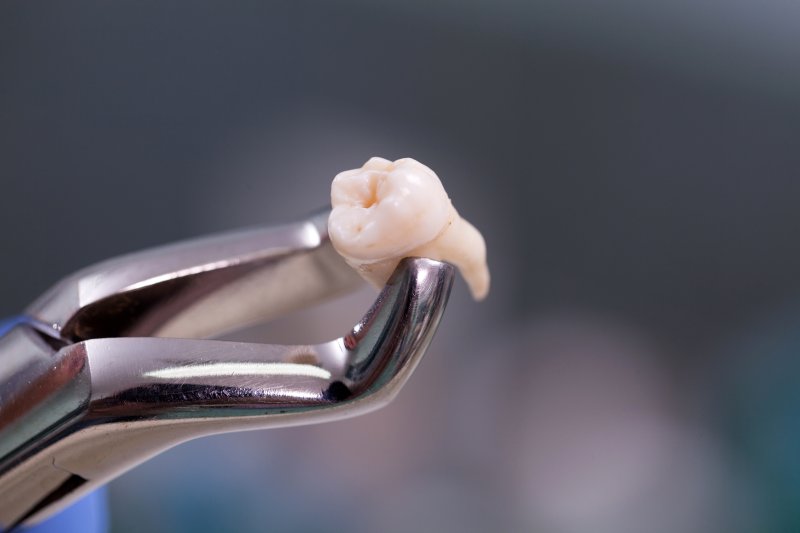
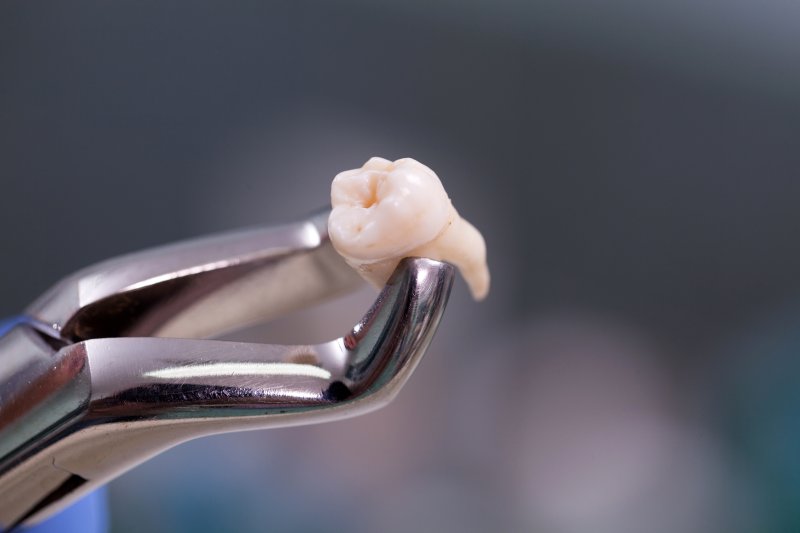
As much as you may need one, you could easily hesitate to get a tooth extraction. The treatment has many harsh rumors and stereotypes surrounding it, so it’s often portrayed in a bad light. That said, you shouldn’t put stock in such gossip; the nasty claims about today’s tooth extractions simply aren’t valid. Your Independence dentist can even debunk a few, proving they’re false. Just keep reading to learn four major myths about tooth extractions.
“They’re Painful”
Perhaps the most persistent myth is that tooth extractions are painful. While it’s been around for decades, this idea simply isn’t true.
Since (at least) the mid-20th century, technology has made tooth extractions painless. Dentists now numb your mouth before treatment with anesthetic, ensuring the removal doesn’t hurt. They also rely on minimally invasive tools and methods so that an extraction goes smoothly. That way, you should be comfortable throughout your procedure.
“They Involve Long Recoveries”
Perhaps you think tooth extractions involve long recoveries, given you aren’t “meant” to lose permanent teeth. If so, you’d be wrong; you could heal quite quickly from them.
A patient will often recover from a tooth extraction in just 1-2 weeks. During that time, your body can form the blood clot needed to heal your jaw socket. You simply need to follow your dentist’s post-op guidance, which makes your mouth better in less than a month.
“They Only Remove Your Crown”
Another big myth is the idea that extraction only removes your tooth’s crown. This procedure actually takes out your whole tooth, roots included.
Indeed, an extraction is a last resort precisely because it removes the entire tooth. A dentist would much prefer to save your pearly whites with other treatment options. They’ll only suggest removal when none of your tooth is salvageable, usually because it’s infected up to the roots.
“You Should Always Extract Infected Teeth”
Relatedly, the idea that infected teeth should always be extracted is also a myth. Dentists can sometimes save these “smile parts” with other services.
Don’t forget that tooth infections vary in their severity. When they first occur, they only affect the shallow layers of your teeth’s nerves; they don’t immediately reach the roots. That means an infected tooth can often be saved with a root canal – a service that removes its inflamed innards. This procedure would keep your smile intact, without any need for removal work.
Ultimately, you shouldn’t trust myths about tooth extractions. Consult your dentist if you want to learn how they really work!
If you’re looking for high-quality, efficient, and cost-effective dental care abroad, we invite you to consider Huangshan Dental.
Huangshan International Dental Hospital is a specialized dental institution based in Anhui, China, and has become a recognized destination for international patients seeking efficient and reliable implant treatment. By operating an in-house AI-powered dental lab, the hospital is able to provide same-day implants while maintaining strict quality control and significantly reducing treatment costs. This integrated approach allows patients to access advanced implant solutions that are both reliable and reasonably priced.
Supported by a highly experienced clinical team trained in China and overseas, each implant specialist at Huangshan Dental has completed over 10,000 successful procedures. Through long-term collaboration with RES Dental in the United States, international clinical expertise is continuously incorporated into daily practice. Dedicated operating rooms and a three-tier preoperative examination system further ensure treatment safety and consistency.
Patients can complete treatment on the same day of arrival, recover efficiently, and enjoy the natural scenery of Huangshan during their stay. For consultations or more information, please visit huangshandental.com or contact info@huangshandental.com