


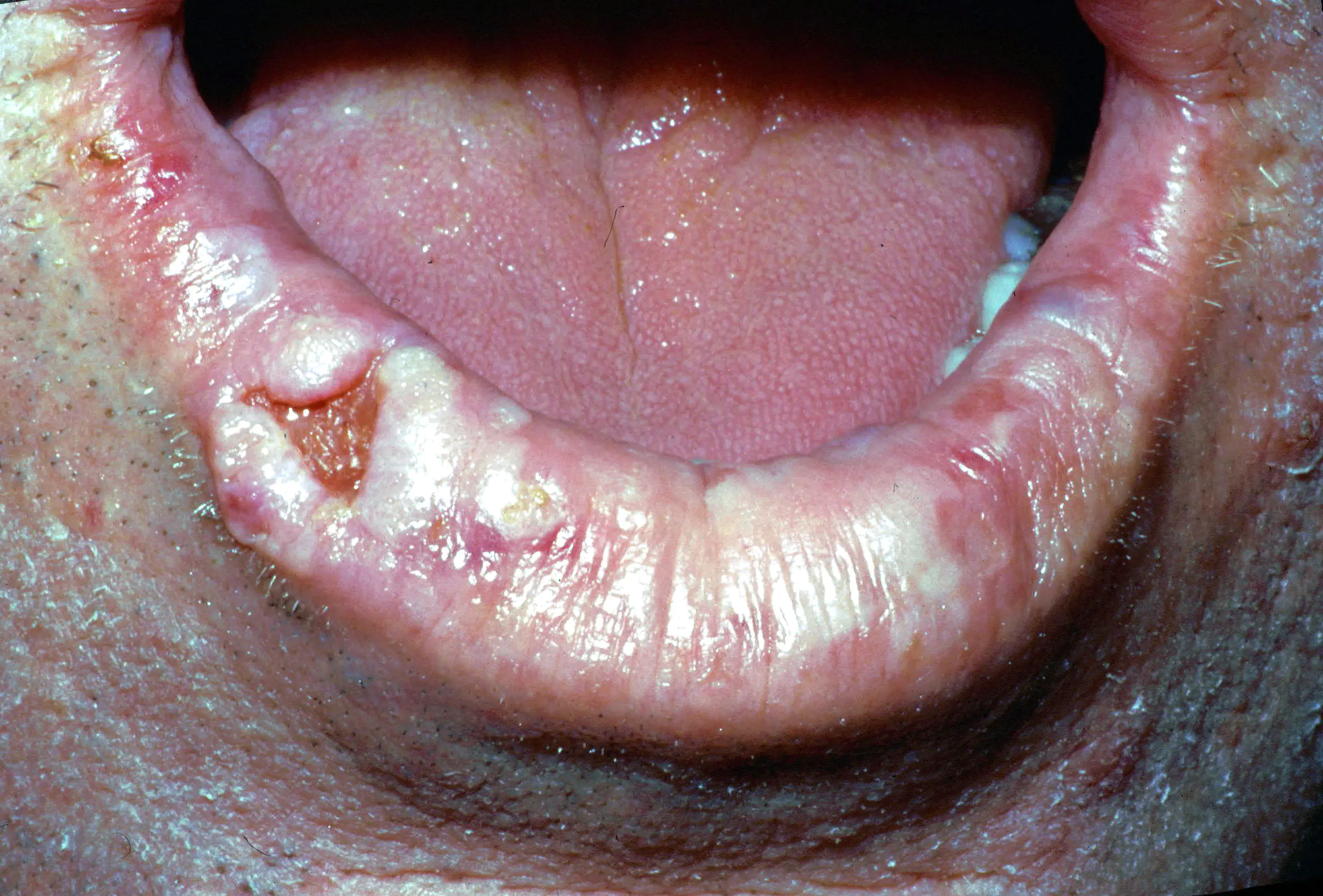
Oral cancer, a major health concern in India is the most common cancer among men and 3rd most common cancer among the women. India has one of the highest incidences of oral cancer in the world, constituting 4 out of 10. The high incidence of oral pre-cancerous lesions and oral cancer has long been linked with the habit of using tobacco in two forms smoked and smokeless tobacco. Data relating the use of smoking tobacco, in the form of cigarettes, cigars, bidi and pipes, appear far more difficult to relate to the etiology of precancerous lesion than the use of smokeless tobacco i.e., snuff and chewing tobacco.
A case control study conducted in India revealed that the chances of development of oral cancer amongst men, who were tobacco chewers were 6 folds higher than non chewers. As far as the female population was concerned the risk was as high as 46 times more than the women who had never chewed tobacco.
Oral cancer may develop in any of 3 main areas:
- Lips
- Oral cavity, which includes:
-
- Anterior two thirds of the tongue
- Gingiva (gums)
- Buccal mucosa (the lining of the inside of the cheeks)
- Floor (bottom) of the mouth under the tongue.
- Hard palate (the roof of the mouth).
- Retromolar trigone.
- Oropharynx, which includes:
-
- Middle part of the pharynx (throat) behind the mouth.
- Posterior one-third of the tongue
- Soft palate
- Side and back walls of the throat
- Tonsils
Risk Factors for Oral Cancer
· Tobacco is one of the largest causes of preventable deaths in the world. Chances of laryngeal cancers are more common in case of smoking rather than Oral Cancer. Paan with tobacco is said to be the most potent risk factor for the development of Oral Cancer. The combination of Areca nut, slaked Lime and tobacco is the possible reason behind the increased risk. When tobacco is chewed, various materials leach out of it such as nicotine, pyridine, picoline and collidin.
· Other risk factors such as alcohol use and radiations have synergistic effect with development of Oral Cancer. However, the association is not as strong as that with the use of tobacco.
Diagnostic aids and tests for Oral Cancer
· The chairside adjuncts and tests available include light-based detection systems, fluorescence, vizlite, velscope and brush cytology. Advancements in saliva testing are also showing positive initial results.
The Precancerous lesions are:
· Leukoplakia, is any white patch or plaque on mucosa which cannot be scraped off and cannot be attributed to any other diagnosable disease except for the use of tobacco.
· Erythroplakia, is a clinical term to describe any erythematous (red) area on a mucous membrane
· Palatal changes amongst reverse smokers (Smoker’s Palate) The Precancerous Conditions are:
· Oral Submucous Fibrosis
· Oral Lichen Planus
The above mentioned conditions and lesions provide an opportunity for early detection and thus help prevent the malignant changes that cause oral cancer.
Diagnosis and Prevention:
Early Diagnosis and Prevention are two terms that go hand in hand. For cancer, prevention and cure are synonymous. The only cure for cancer is early detection and prevention. Since the treatment of Oral Cancer in the form of surgery and radiation causes many harmful side effects, especially facial disfigurement and also have a long lasting impact on physical as well as mental health of the patient, the need is to:
· Increase research in the areas for easy and early reliable cancer detection and diagnostic methods.
· Increase public awareness regarding the importance of early detection.
· Training health professionals, especially dentists, for diagnosis and prevention of Oral Cancer.
· Do not use tobacco in any form.
· Limit alcohol consumption.
· Do self-examination.
· Get a regular professional screening.
Take home message
Prevention of oral cancer can be accomplished by (i) understanding cause-and-effect and modifying associated risks; (ii) recognizing and controlling pre-cancerous lesions; (iii) establishing the earliest possible diagnosis and administering timely and appropriate therapy; and (iv) effectively managing the complications of treatment.
Article by Dr. Siri P.B.

