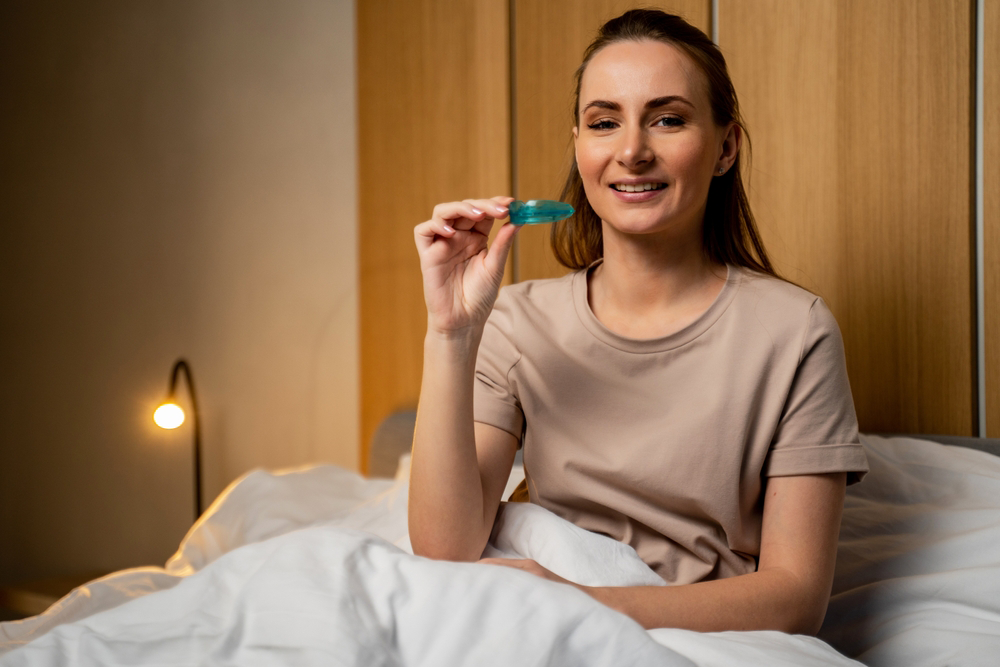
 When prescribing sleep appliances for conditions like obstructive sleep apnea or snoring, dentists should consider several key factors to ensure the effectiveness and safety of the treatment.
Patient Evaluation: Assess the patient’s medical history, including respiratory, cardiovascular, or metabolic conditions. Conduct a thorough dental examination to check for any issues that might affect appliance use, such as periodontal disease, tooth decay, or missing teeth. Review the results of a recent sleep study for information about the severity of sleep apnea.
Type of Appliance: Choose between mandibular advancement devices and tongue retaining devices, and ensure the appliance is custom-fitted to the patient’s mouth to maximize comfort and efficacy. Select appliances made from durable, biocompatible materials to minimize the risk of allergic reactions.
Potential Side Effects: Inform patients about the possibility of dental discomfort or jaw pain and monitor them for any long-term changes in bite or tooth alignment.
Patient Education and Compliance: Provide clear instructions on how to use, clean, and maintain the appliance. Schedule regular follow-up visits to monitor the patient’s progress.
By considering these factors, dentists can effectively prescribe and manage sleep appliances.


