


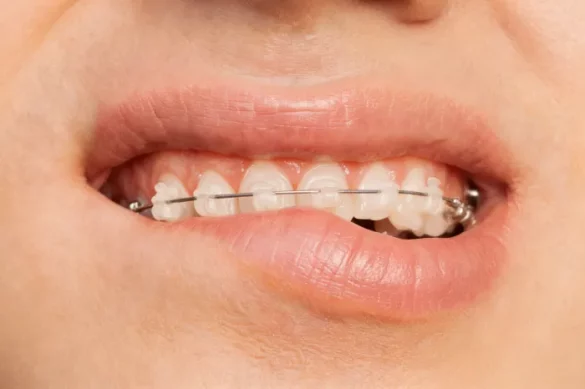
For many people exploring orthodontic treatment, one of the most common questions is whether braces are painful. Some patients worry about the initial fitting, while others fear ongoing discomfort throughout the treatment. The good news is that most pain associated with braces is temporary, manageable, and varies from person to person. Modern orthodontic techniques focus on minimizing discomfort, and understanding what to expect can help you approach treatment with confidence.
Why Do Braces Cause Pain?
Braces work by gradually moving teeth into better alignment. This process relies on gentle, consistent pressure, applied by brackets and wires attached to your teeth. Pain occurs because your teeth, gums, and supporting bone need to adjust to these changes. The discomfort is typically the result of three factors: pressure on teeth and bones, stretched ligaments, and soft tissue irritation.
Pressure on Teeth and Bones
The brackets and wires in braces exert slow, steady force on your teeth. This pressure enables a biological process called bone remodeling—bone tissue around the teeth breaks down so teeth can move, then regenerates to support them in their new positions. This ongoing adjustment is the main reason for soreness or aching feelings during orthodontic treatment.
Ligament Tension and Inflammatory Response
Each tooth is anchored to the jawbone by tiny ligaments. When braces shift your teeth, these ligaments stretch and compress, resulting in temporary inflammation. This response is similar to muscle soreness after exercise. As the tissues gradually accommodate the new position of your teeth, the soreness subsides.
Soft Tissue Irritation
Braces are made of metal and ceramic components that sometimes rub against your inner cheeks, lips, and gums. Especially in the first few days, this rubbing can cause tenderness, minor abrasions, or canker sores. As your mouth adjusts to the appliance, this irritation generally lessens, and you may even develop small calluses on the inside of your lips that provide extra protection.
When Is Braces Pain Most Noticeable?
Braces are not consistently painful during the entire treatment. Patients generally experience discomfort at three main stages:
Getting Braces Put On
The actual process of attaching braces does not hurt, but mild soreness or an achy sensation may develop a few hours later. This is your mouth reacting to the new pressures and foreign objects. The first few days are usually the most uncomfortable, with symptoms peaking around day two or three. sensitivity to biting, chewing, or brushing is common during this phase.
After an Adjustment
Braces need periodic tightening to continue moving your teeth. During these adjustment sessions (often every four to six weeks), your orthodontist will modify the wires and sometimes add new elastic bands. For a day or two after each appointment, most people notice a return of tenderness. This pain is usually milder than the initial soreness and resolves quickly.
If Brackets or Wires Break
Though not typical, damage to your braces can result in pain. Broken wires or brackets can poke or irritate your cheeks, gums, or tongue. This type of pain is more localized and related to the hardware contacting soft tissues. It’s important to have repairs done promptly to prevent further discomfort and keep your treatment on track.
How Much Do Braces Hurt? (pain scale Perspective)
Pain is highly individual. Some people rate their experience as a 4 out of 10 (mild ache), others as high as 6 if they have especially sensitive teeth or tough adjustments. The initial soreness is most intense during the first week and after certain adjustments, but most patients find these sensations manageable with basic care. Very few experience persistent or severe pain; if this happens, your orthodontist can adapt your care.
On average, most orthodontic patients report that braces are less painful than they feared. The discomfort is usually described as a dull ache, tightness, or a “weird” pressure. For patients who experience canker sores or oral abrasions, the pain tends to be more annoying than severe, and often gets better as the mouth adapts to the appliance.
Braces pain timeline: What to Expect
- Day 1: Immediate installation does not hurt, but pressure builds afterward.
- Days 2-3: soreness is at its peak; you may notice sensitivity when eating and speaking.
- Days 4-7: Pain and discomfort gradually reduce, and you begin adapting.
- After Adjustments: Mild soreness returns, typically for one or two days after each tightening.
- Final Appointment (Removal): Removing braces may create brief pressure or minor discomfort, but it resolves quickly.
At-Home Remedies for Braces Pain
Most braces discomfort can be managed with simple remedies. Here are a few strategies:
over-the-counter pain relievers
Medications such as ibuprofen or acetaminophen greatly reduce inflammation and alleviate pain. Taking a dose before or shortly after new adjustments can lessen the peak achiness. Always follow package directions and consult with your orthodontist if unsure.
cold compresses
Applying a cold pack to your cheeks numbs nerve endings and reduces swelling. Wrap an ice pack or a bag of frozen vegetables in a soft cloth and hold it against the affected area for 10–15 minutes at a time.
saltwater rinse
Mix a teaspoon of salt in a glass of warm water and rinse your mouth for about 30 seconds. This helps clean wounds, reduce swelling, and relieve minor irritation from sharp brackets or wires.
orthodontic wax
If a bracket or wire is irritating your cheeks or lips, gently press a small ball of orthodontic wax over the offending spot. This protects soft tissues until you can visit your orthodontist for a repair.
Eating Soft Foods
After getting braces or following adjustments, stick to soft, easy-to-chew foods like yogurt, soup, scrambled eggs, mashed potatoes, and smoothies. This reduces pressure on sensitive teeth and helps protect braces from breaking.
topical oral anesthetics
Over-the-counter numbing gels containing benzocaine can be applied to sore spots for temporary relief. Use clean fingers or a cotton swab and follow package directions.
Stay Hydrated and Avoid Irritants
Drink plenty of water to keep your mouth moist. Avoid acidic foods and drinks (like citrus and soda), which may aggravate sore areas.
When Should You Contact Your Orthodontist?
While some discomfort is normal, you should consult your orthodontist if:
- Pain persists beyond 7 days after an adjustment
- You have broken or poking wires or brackets
- Pain or sores interfere with sleeping, eating, or daily activity
- Over-the-counter remedies do not relieve symptoms
These may signal a problem with your appliance or uncommon reactions that need professional attention.
Is the Pain Worth It?
Patients consistently report that the long-term benefits of braces—such as straighter teeth, improved bite alignment, and a healthier smile—far outweigh the temporary discomfort. The brief periods of soreness are typically thought to be manageable, especially with the range of pain management techniques available today.
Conclusion
While wearing braces can cause temporary pain and discomfort, it is a normal and expected part of the orthodontic journey. The initial soreness soon gives way to improved oral health and self-confidence. With proper care and support from your orthodontic team, pain from braces is predictable, usually mild, and easy to control. If you’re considering braces, don’t let fear of pain hold you back—modern orthodontic care makes the process as comfortable as possible. Always discuss any concerns or persistent symptoms with your orthodontist to ensure the best experience throughout treatment.
FAQs
Do Braces Hurt When First Applied?
Most patients experience mild soreness or tenderness for a few days after their braces are first put on, but this fades quickly.
How Long Does Braces Pain Last After Each Adjustment?
soreness usually lasts 1–3 days after an adjustment, then fades as teeth stabilize.
Are There Ways to Prevent Braces Pain?
You can manage pain by eating soft foods, using orthodontic wax, and taking over-the-counter medication as needed.
Is severe pain Normal with Braces?
No. Severe or persistent pain may indicate a broken wire, bracket, or other issue. Contact your orthodontist if discomfort lasts beyond a week or interferes with daily life.
What Should I Do If At-Home Remedies Don’t Help?
If common solutions do not work, call your orthodontist. They may recommend alternative treatments or check for mechanical problems with your braces.