

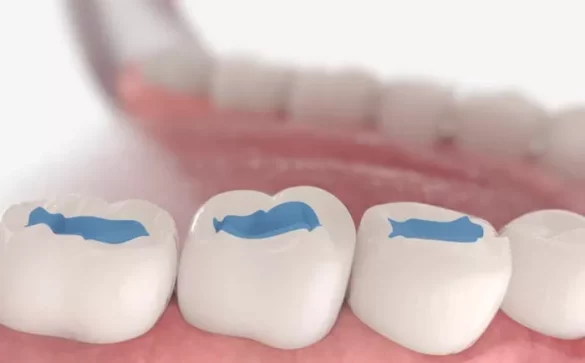
Dental sealants are thin, protective coatings applied to the chewing surfaces of teeth, typically the molars and premolars. These surfaces have grooves and pits that can trap food particles, increasing the risk of cavities. Sealants act as a barrier, preventing decay and promoting oral health.
Sealants are most commonly recommended for children, but adults can also benefit from them. Their application is quick, painless, and non-invasive, making them a preferred preventive dental treatment.
How Dental Sealants Work
Sealants are made from dental resin materials that bond to the enamel. The process begins with cleaning the tooth surface, followed by etching, rinsing, and applying the sealant. Once applied, the sealant hardens, either chemically or with a curing light. This forms a protective layer over the tooth’s grooves and fissures.
The effectiveness of sealants is significant. Research shows that they can reduce the risk of cavities by up to 80% in molars during the first two years after application. Their longevity depends on oral hygiene habits and regular dental check-ups.
Benefits of Dental Sealants
Dental sealants offer multiple advantages:
- Cavity Prevention: Sealants protect vulnerable tooth surfaces from decay.
- Cost-Effective: Preventing cavities reduces future dental treatment expenses.
- Non-Invasive: Application does not require drilling or anesthesia.
- Quick Procedure: Typically completed in one dental visit.
Cost of Dental Sealants
The cost of sealants can vary depending on location, dental practice, and number of teeth treated. On average, the cost ranges from $30 to $60 per tooth without insurance. While this may seem modest, coverage through dental insurance can significantly reduce out-of-pocket expenses.
Insurance coverage often depends on age, dental plan type, and whether the procedure is considered preventive care. Understanding your plan is essential to maximize benefits.
Are Sealants Covered by Dental Insurance?
Many dental insurance plans do cover sealants, especially for children and teenagers. Coverage is generally classified as preventive, which means that patients may not face copayments if the treatment falls under the plan’s preventive care benefits.
Adult coverage is less common. Some plans may cover sealants for adults with a high risk of cavities, but coverage often comes with limitations.
Children and Teen Coverage
Most insurance providers recognize the value of preventing decay in permanent molars, which typically erupt between ages 6 and 14. As a result, coverage for children often includes:
- Application of sealants on permanent molars.
- Full or partial reimbursement for preventive visits including sealants.
- Regular monitoring and reapplication when necessary.
Adult Coverage for Sealants
Insurance for adults is more variable. Some dental plans do not cover sealants at all for adults unless specific conditions apply. Coverage may be available for adults with:
- High risk of tooth decay due to medical conditions or medications.
- History of frequent cavities.
- Orthodontic treatments that make cleaning challenging.
Factors Affecting Insurance Coverage
Several factors influence whether dental insurance will cover sealants:
Type of Dental Plan
Dental insurance plans are usually categorized as:
Preventive Plans: Cover preventive treatments, including sealants, cleanings, and exams.
Basic and Major Care Plans: Primarily cover restorative procedures, such as fillings, crowns, and root canals. Sealant coverage may be limited.
High-Deductible Plans: Preventive services are often covered first, but patients may pay out-of-pocket until the deductible is met.
Age Limitations
Many insurance providers limit coverage to children and teenagers. Policies may specify an age cutoff, commonly around 18 years old. Adults may need to check whether high-risk exceptions exist in their plan.
Frequency Limitations
Insurance often restricts sealant application frequency. Most plans cover sealants on permanent molars every three to five years. Coverage may also be limited to one sealant per tooth.
Pre-Existing Dental Conditions
Teeth with existing decay or fillings may not be eligible for sealants. Insurance coverage is typically only for healthy teeth without decay.
How to Maximize Dental Insurance Coverage for Sealants
Check Your Plan Details
Review your dental insurance policy carefully. Look for sections on preventive care, sealants, age restrictions, and frequency limits. Contact your insurance provider for clarification if needed.
Schedule Preventive Visits
Regular dental check-ups increase the likelihood of sealant coverage. Preventive visits are often fully covered, which allows your dentist to assess teeth for sealant application.
Document Cavity Risk
Insurance may require documentation showing that a patient is at risk of decay. Risk factors include deep grooves, family history of cavities, poor oral hygiene, and medical conditions.
Consider Flexible Spending Accounts (FSA)
If insurance does not fully cover sealants, FSAs and Health Savings Accounts (HSAs) can be used to pay for treatment pre-tax, reducing overall costs.
Common Misconceptions About Sealant Coverage
Only Children Benefit
While children are the primary beneficiaries of sealants, adults can also receive them. Adults with high cavity risk may have coverage under preventive or medical necessity clauses.
Sealants Are Cosmetic
Sealants are often mistaken for cosmetic procedures. In reality, they are a preventive dental treatment aimed at reducing decay and preserving natural tooth structure.
All Teeth Are Eligible
Coverage is typically limited to permanent molars. Other teeth may not be eligible, and insurance may not reimburse for non-covered teeth.
Steps to Take Before Getting Sealants
Consult Your Dentist
Your dentist will evaluate your teeth and recommend whether sealants are appropriate. They will consider your age, oral hygiene, cavity history, and molar eruption status.
Contact Your Insurance Provider
Call your dental insurance provider to confirm coverage, age limits, and any documentation needed. Ask about frequency restrictions and out-of-pocket costs.
Obtain Pre-Authorization
Some insurance plans require pre-authorization before treatment. Your dentist can submit the necessary paperwork to ensure coverage before the procedure.
Conclusion
Dental sealants are an effective, preventive measure against cavities. Coverage by dental insurance is common, especially for children, but adults may face limitations. Understanding your plan, consulting your dentist, and documenting cavity risk can help maximize coverage. Sealants are a small investment in long-term oral health, often saving significant costs and preventing invasive dental treatments in the future.
