


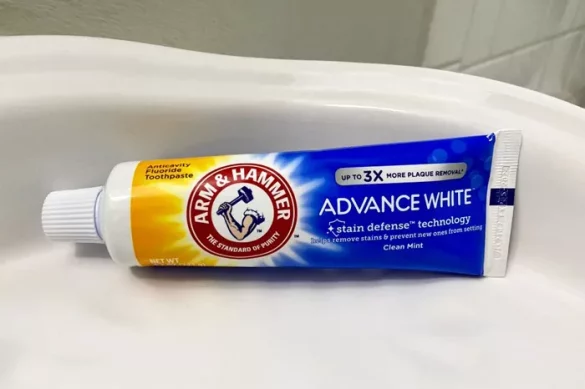
Whitening toothpastes have become popular for maintaining bright teeth. They claim to remove stains and improve the appearance of teeth. Many people wonder if these toothpastes are abrasive. Abrasiveness refers to the ability of toothpaste to wear down tooth enamel. This article explains the science behind whitening toothpastes and their effects on oral health.
Understanding Tooth Enamel
What Is Tooth Enamel?
Tooth enamel is the hard, outer layer of teeth. It protects teeth from decay and physical damage. Enamel is composed mostly of minerals, including hydroxyapatite. Despite its hardness, enamel can wear down over time due to abrasion or acid erosion.
Why Enamel Health Matters
Maintaining enamel is crucial for overall dental health. Worn enamel can lead to sensitivity, cavities, and aesthetic issues. Since whitening toothpastes often use abrasives, understanding their effects on enamel is essential.
What Makes Toothpaste Abrasive?
Role of Abrasives in Toothpaste
Abrasives are particles that help remove stains from the teeth. Common abrasives include silica, calcium carbonate, and baking soda. These ingredients help polish the teeth and remove surface discoloration.
Measuring Abrasiveness
The abrasiveness of toothpaste is measured by the Relative Dentin Abrasivity (RDA) scale. The RDA scale ranges from 0 to 250. Toothpaste with an RDA under 70 is considered low-abrasive. An RDA between 70 and 100 is medium, and above 100 is high-abrasive. Whitening toothpastes typically have higher RDA values than standard toothpastes.
Types of Whitening Toothpastes
Mechanical Whitening Toothpastes
Mechanical whitening toothpastes rely on abrasives to scrub stains from teeth. They are effective for removing surface stains from coffee, tea, or smoking. However, repeated use can wear down enamel if the toothpaste is highly abrasive.
Chemical Whitening Toothpastes
Chemical whitening toothpastes use ingredients like hydrogen peroxide or carbamide peroxide. These ingredients bleach stains without heavy abrasives. Chemical whitening toothpastes are less likely to damage enamel when used correctly.
Enamel-Safe Whitening Toothpastes
Some whitening toothpastes are labeled as enamel-safe. They have lower RDA values and combine mild abrasives with polishing agents. These are recommended for daily use to minimize enamel wear.
Benefits of Whitening Toothpastes
Improving Appearance
Whitening toothpastes can remove surface stains and make teeth look brighter. They are a convenient option for people who want cosmetic improvements without professional treatments.
Preventing Stains
Regular use of whitening toothpaste can prevent new stains from forming. Mild abrasives polish the teeth and reduce discoloration over time.
Cost-Effective Option
Compared to professional whitening, toothpastes are affordable. They provide gradual whitening effects without the need for dental procedures.
Risks of Abrasive Whitening Toothpastes
Enamel Erosion
Highly abrasive toothpastes can wear down enamel. Once enamel is lost, it cannot be regenerated. This increases the risk of sensitivity and cavities.
Tooth Sensitivity
Excessive abrasiveness can expose dentin, the layer beneath enamel. Exposed dentin leads to sensitivity when consuming hot, cold, or sweet foods.
Gum Irritation
Abrasive particles can irritate gums if brushing is too hard. This may lead to gum recession and discomfort.
How to Choose Safe Whitening Toothpaste
Check the RDA Value
Always look for toothpaste with an RDA under 100. Low to medium abrasiveness ensures safe daily use. Many brands list RDA values on packaging or websites.
Look for Enamel Protection
Some toothpastes contain fluoride and other protective ingredients. Fluoride strengthens enamel and reduces the risk of decay.
Consider Chemical Whitening Options
Chemical whitening toothpastes are gentler on enamel. They are suitable for people with sensitive teeth or thin enamel.
Use Proper Brushing Technique
Soft-bristled brushes and gentle strokes minimize abrasion. Avoid brushing too hard or for more than two minutes at a time.
How Often Should You Use Whitening Toothpaste?
Daily Use
Low-abrasive whitening toothpastes can be used daily. They provide mild stain removal without damaging enamel. Always follow the manufacturer’s instructions.
Intermittent Use
Highly abrasive whitening toothpastes should be used occasionally. Alternating with regular toothpaste helps protect enamel. This is especially important for people prone to sensitivity.
Professional Opinions on Whitening Toothpastes
Dentist Recommendations
Most dentists recommend enamel-safe whitening toothpastes. They suggest avoiding products with very high RDA values. Regular dental checkups can monitor enamel health while using whitening products.
Clinical Studies
Studies show that mild abrasives in whitening toothpaste are generally safe. However, excessive use of high-abrasive products increases the risk of enamel wear. Chemical whitening toothpastes are effective and safer for sensitive teeth.
Alternative Whitening Methods
Professional Whitening Treatments
Dentists offer bleaching treatments that are controlled and effective. These treatments provide faster results without abrasive damage. Options include in-office whitening and take-home kits.
Whitening Strips and Gels
Over-the-counter whitening strips use peroxide gels. They are effective for surface stains and less abrasive than some toothpastes. Follow instructions to avoid sensitivity.
Natural Remedies
Some people use baking soda or activated charcoal. These can remove stains but may be abrasive. Use with caution and consult a dentist before frequent use.
Conclusion
Whitening toothpastes can be abrasive, depending on their formulation. Low to medium abrasives are generally safe for daily use. High-abrasive toothpastes may damage enamel if overused. Chemical whitening options provide safer alternatives. Always check RDA values, choose enamel-safe products, and follow proper brushing techniques. Regular dental checkups ensure that teeth remain healthy while enjoying the cosmetic benefits of whitening toothpaste.