

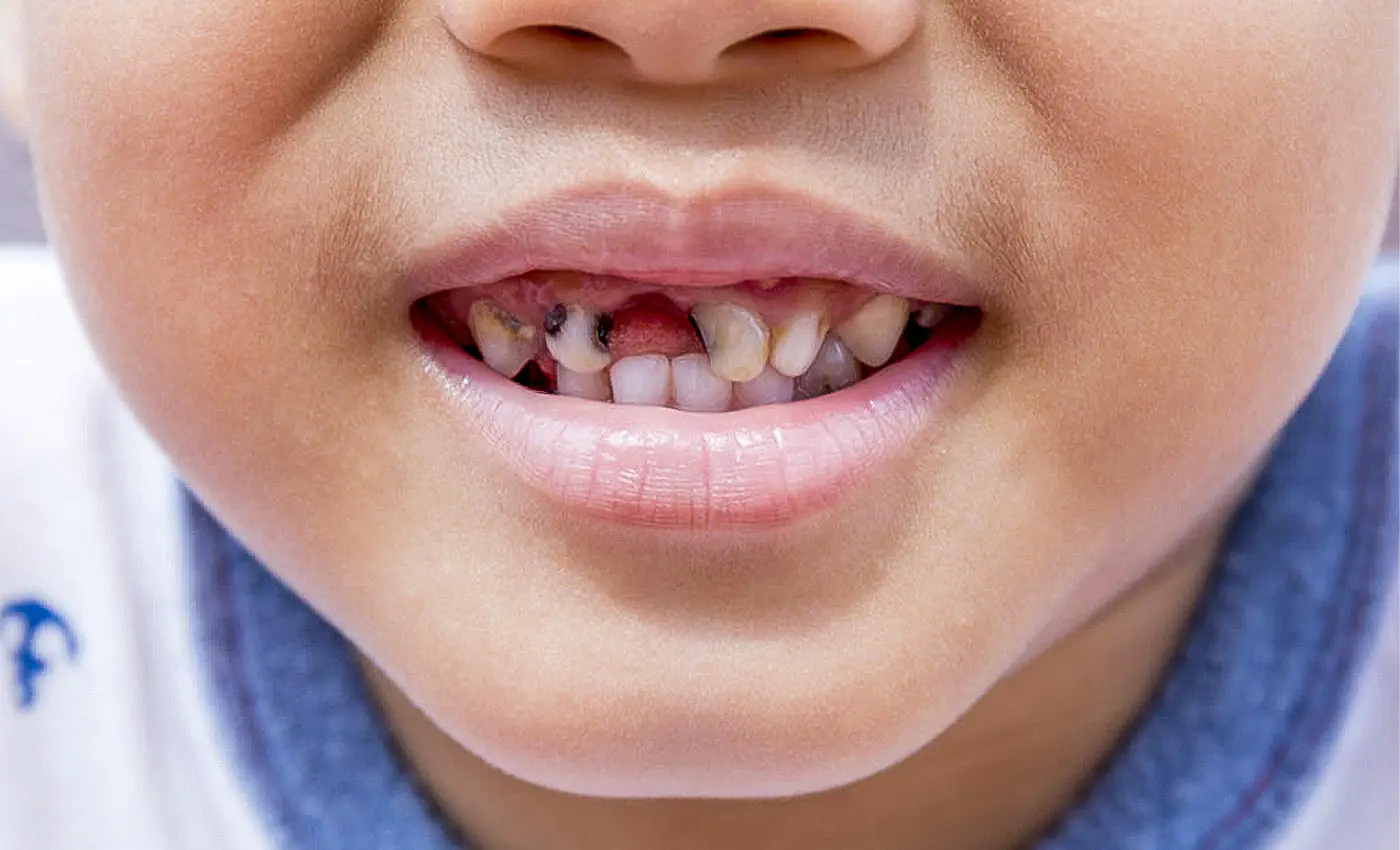
7 Tips to Avoid Tooth Decay in Babies
Tooth erosion, thumb sucking, tongue thrusting, lip sucking, and early tooth loss are only a few of the issues that affect children’s oral health. Keeping baby teeth safe is vital to a child’s overall health and well-being, even though permanent teeth will eventually replace them.
Tooth Decay from a Baby Bottle
When a baby’s teeth come in contact with sugars from beverages such as fruit juices, milk, formula, sugar water, or any other sweet drink, baby bottle tooth decay (also known as early childhood caries, nursing caries, and nursing bottle syndrome) occurs. Breastfed babies who fall asleep with milk in their mouth are also at risk.
How Do I Prevent Tooth Decay in My Baby?
The following are some suggestions for preventing tooth decay in babies who drink from bottles:
During the day, instead of giving your baby a bottle of sugary drinks or milk to relax or console him, give him plain water or a pacifier.
Never put sugar, honey, or any other sugary substance on your baby’s pacifier.
Don’t put your baby to bed with a sugary drink in his or her bottle. Using a pacifier or a small volume of plain water instead. A baby may be harmed by drinking too much water.
If you’re breastfeeding your baby at night, make sure you take your breast out of their mouth before falling asleep.
Sugar should not be added to your baby’s diet.
After each meal, wash your baby’s teeth and gums with a wet cloth or gauze. This aids in the removal of bacteria-forming plaque and sugar from the teeth and gums.
Inquire with your dentist concerning your baby’s fluoride requirements. Fluoride supplements or therapies may be needed if your drinking water is not fluoridated.
Sucking Thumb
Infants sucking their thumbs, toes, pacifiers, or toys is perfectly natural and safe. Object sucking provides emotional security and comfort to infants. Thumb sucking can cause dental problems if it persists beyond five when the permanent teeth begin to emerge.
The teeth may be placed out of alignment, causing them to protrude and creating an overbite, depending on the frequency, strength, and length of the sucking. Your child may also have difficulties pronouncing words correctly. Furthermore, the upper and lower jaws can become misaligned and the roof of the mouth.
How to Help Your Child Stop Sucking Their Thumbs?
First, keep in mind that thumb sucking is common and should not be a cause for concern unless it persists as the permanent teeth emerge.
Before the habit of sucking, one’s thumb or finger can be broken, children must decide on their own. Parents and family members will support this mission by providing motivation and positive reinforcement. Negative reinforcements (such as scolding, nagging, or punishments) is usually counterproductive since thumb sucking is a defence mechanism.
They make kids defensive and encourage them to return to their old habits. Instead, congratulate or reward yourself for successfully avoiding the practice for some time.
Gradually increase the time required to reach the reward without sucking. The more often the incentives must be offered, the younger the boy. Cover the finger or thumb with a band-aid as a warning for children who want to quit. Take your index or middle finger.
To assist older children in breaking the habit, try to determine why your child is doing it: Determine the sources of your child’s stress and work to improve the situation. When the problem is resolved, your child may find it easier to stop sucking. If this does not work, your child can wear dental appliances in his or her mouth to prevent sucking.
These devices are cemented to the upper teeth, sit on the roof of the mouth, and make thumb sucking more difficult and unpleasant.
Lip Sucking:
Lip sucking is the practice of repeatedly placing the lower lip beneath the upper front teeth. Lower lip sucking can occur alone or in conjunction with thumb sucking. This practice causes an overbite as well as the same problems as thumb sucking and tongue thrusting. Stopping the habit entails the same steps as quitting thumb sucking.
Thrusting of the Tongue
Tongue thrusting is the habit of pressing the top of the tongue against the lips to seal the mouth for swallowing. Tongue thrusting, like thumb sucking, puts pressure on the front teeth, pushing them out of alignment and causing them to protrude, causing an overbite and possibly interfering with proper speech development. Consult a speech pathologist if you notice symptoms of tongue thrusting. This person can devise a treatment plan that will assist your child in strengthening his or her chewing muscles and developing a new swallowing pattern.
FINAL NOTE:
Tooth decay can be avoided. If you notice any signs of decay in your child’s teeth or if you have any questions about your child’s teeth, consult with your child’s doctor or dentist. Your child can grow up with healthy teeth for a lifetime of smiles if they receive the proper care.

