


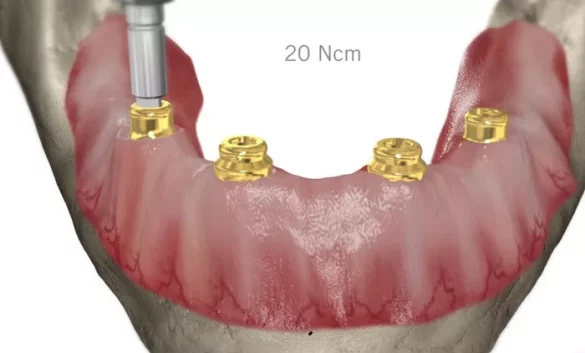
Bego is a renowned dental implant brand originating from Germany, known for its high-quality implant systems and innovative technology. With over 25 years of clinical experience, Bego implants are designed to provide durable, reliable, and biocompatible solutions for tooth replacement. The company emphasizes precision engineering, advanced surface technology, and simplified surgical protocols to ensure optimal outcomes for patients worldwide. Bego implants have become a trusted choice among dental professionals for addressing various dental restoration needs, including cases complicated by gum disease or sensitive teeth.
Why Choose Bego?
Choosing Bego implants means opting for German-engineered quality combined with affordability. The implants are made from high-grade titanium, ensuring strength, corrosion resistance, and excellent biocompatibility. Bego’s proprietary TiPure surface technology enhances osseointegration, which is critical for the implant’s long-term stability and success. Their implant systems are designed with straightforward surgical protocols, making procedures efficient and predictable. Furthermore, Bego offers a wide range of implant types to suit different clinical situations, from single tooth replacement to full-arch restorations. This versatility, combined with strict quality controls and international certifications, makes Bego a compelling choice for both dentists and patients.
Types of Bego Implants and Their Applications
Bego provides a diverse range of implants tailored to meet various dental needs:
Semados S, SC, SCX Implants: These implants are suitable for standard cases with options for one-stage implantation and platform switching to preserve crestal bone. They are used in single and multiple tooth replacements.
Semados RS and RSX Implants: Designed for narrow anterior gaps, these implants are ideal for replacing front teeth where space is limited. Their self-tapping bionic thread design reduces insertion torque and stress on the bone.
Semados RI Implants: Featuring microthreads in the neck region, these implants improve force transfer to the crestal bone, enhancing primary stability and long-term success.
Semados S-TG Implants: These have the implant interface at gingival height, allowing for tissue-level implant placement, suitable for patients with specific gum conditions.
Security Plus: A system designed for guided surgery and optimized for functionally demanding cases.
These implant types cover a broad spectrum of clinical applications, from replacing single teeth to supporting bridges and full-mouth restorations. They are also suitable for patients with compromised bone conditions, often seen in advanced gum disease, due to their design features that promote bone condensation and stability.
How Much Do Bego Dental Implants Cost?
The cost of Bego dental implants varies depending on factors such as the number of implants, complexity of the case, and geographic location of the dental clinic. Generally, Bego implants are considered a cost-effective option compared to other premium implant brands. For example, in countries like Turkey, Bego implants offer high-quality solutions at competitive prices, making them accessible for a broader range of patients. The total cost typically includes the implant fixture, abutment, and dental prosthesis (crowns, bridges). Additional procedures like bone grafting or treatment for gum disease may increase the overall expense. Consulting with a dental professional is essential to get an accurate treatment plan and cost estimate based on individual needs.
Material of Bego Dental Implants
Bego implants are made from high-quality titanium, a material widely recognized for its excellent strength, corrosion resistance, and biocompatibility. Titanium is the gold standard in implantology because it integrates well with bone tissue, minimizing the risk of rejection and ensuring long-term durability. Bego further enhances implant surfaces using sandblasting and acid-etching techniques (TiPure surface technology), which improve the regularity and roughness of the implant surface. This process promotes faster and stronger osseointegration, crucial for the stability of implants, especially in patients with sensitive teeth or compromised gum conditions.
Who is a Candidate for Bego Dental Implants?
Candidates for Bego dental implants generally include adults who have lost one or more teeth due to decay, trauma, or gum disease. Ideal candidates should have sufficient jawbone density to support the implant; however, Bego implants’ design allows for use in cases with moderate bone loss, often seen in patients with a history of gum disease. Patients with sensitive teeth or those prone to gum inflammation may benefit from Bego’s biocompatible materials and advanced surface technology, which promote healthy tissue integration. A thorough dental examination, including imaging and assessment of gum health, is necessary to determine candidacy. Patients with uncontrolled systemic conditions or severe bone loss may require additional treatments before implant placement.
Clinical Benefits of Bego Implants
Bego implants offer several clinical advantages:
High Success Rate: Due to superior osseointegration from TiPure surface technology.
Durability: Titanium construction ensures implants withstand chewing forces over many years.
Bone Preservation: Platform switching and microthread designs help maintain crestal bone, reducing bone loss often associated with gum disease.
Versatility: Suitable for various clinical scenarios, including narrow gaps and full-arch restorations.
Biocompatibility: Minimizes inflammation and supports healthy gum tissue, beneficial for patients with sensitive teeth or periodontal concerns.
Aesthetic Outcomes: Precise implant-abutment connections allow for natural-looking prostheses.
These benefits contribute to improved oral health, functionality, and patient confidence in their smile.
FAQs about Bego Implants
Are Bego implants safe?
Yes, Bego implants comply with international medical standards, including CE certification and ISO 13485. They are manufactured under strict German quality controls and have over 25 years of clinical use worldwide.
How long do Bego implants last?
With proper care and regular dental check-ups, Bego implants can last decades, offering a long-term solution for tooth loss.
Can Bego implants be used in patients with gum disease?
Yes, Bego implants’ design helps preserve bone and support healthy gum tissue, making them suitable for patients with treated gum disease, although active infection must be managed before implantation.
What is the healing time after Bego implant placement?
Healing varies but typically ranges from 3 to 6 months to allow osseointegration before placing the final prosthesis.
Conclusion
Bego dental implants represent a high-quality, reliable, and cost-effective solution for tooth replacement. Their German engineering, advanced TiPure surface technology, and titanium material ensure excellent osseointegration and long-term durability. With a wide range of implant types, Bego caters to diverse clinical needs, from single tooth loss to full-mouth rehabilitation. Patients with gum disease or sensitive teeth can benefit from Bego’s biocompatible and bone-preserving designs. Choosing Bego implants means investing in a proven system trusted by dental professionals worldwide, offering predictable and stable results that restore both function and aesthetics. For those seeking quality implantology solutions without compromising affordability, Bego stands out as a top choice in modern dentistry.