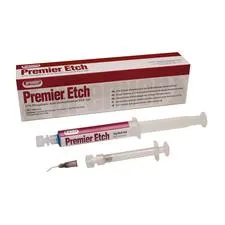
 Etching is a critical step in ensuring the success of indirect restorations such as crowns, veneers, and bridges. However, to achieve optimal results, it’s essential to follow best practices for handling and applying these etchants. Let’s explore the key guidelines that can lead to more durable, long-lasting restorations and reduce potential complications in your practice., ,Step-by-Step Guide to Applying Extraoral Etchants,1. Select the Correct Etchant for the Material
Choosing the appropriate etchant is vital for ensuring a strong bond. For porcelain and ceramic restorations, hydrofluoric acid is often used to achieve micro-roughening. For metal restorations, a phosphoric acid etchant is the preferred choice, as it creates a micro-etched surface that enhances bonding with adhesives., ,2. Ensure Proper Ventilation and Protective Equipment
Hydrofluoric acid can be hazardous, so safety should be a top priority when working with extraoral etchants. Always use gloves, goggles, and protective clothing to prevent skin or eye contact. Adequate ventilation or a fume hood is essential to avoid inhaling fumes, especially when etching ceramics. Also, follow all safety protocols as outlined by the etchant’s manufacturer and wear protective equipment for both yourself and your patient., ,3. Isolate the Restoration from Contaminants
Before applying the etchant, ensure that the restoration is free from any saliva, oil, or dust. Contamination can interfere with the etching process and weaken the bond. Use an alcohol wipe or air-drying to clean the restoration thoroughly before applying the etchant., ,4. Apply the Etchant Evenly and Precisely
When applying the etchant, ensure it’s done evenly and in a controlled manner. Use a microbrush or a disposable applicator to apply the etchant to the restoration. Avoid over-applying or letting the etchant pool in one area. For ceramic restorations, use hydrofluoric acid for the recommended time, and then rinse thoroughly with water to remove all traces of acid. For metal restorations, apply phosphoric acid for 10-15 seconds before rinsing thoroughly. It’s important to closely follow manufacturer instructions regarding the etching time and rinsing procedure., ,5. Thoroughly Rinse and Dry the Restoration
After the etchant has been applied for the prescribed time, rinse the restoration thoroughly with water to remove all acid. Thorough rinsing is critical to avoid contamination when moving on to the next step—bonding. Use a high-volume suction to remove excess moisture and ensure the restoration is completely dry., ,6. Apply a Bonding Agent or Silane
Once the etching and rinsing process are complete, apply a bonding agent suitable for the restoration material. For ceramic restorations, apply silane coupling agents to the etched surface to create a chemical bond between the silica of the ceramic and the adhesive. Follow the silane manufacturer’s instructions, as application times can vary. For metal restorations, apply the bonding agent recommended by the adhesive system you’re using. This will help establish a strong bond between the restoration and the tooth structure., ,7. Place the Restoration
After the bonding agent has been applied, position the restoration on the tooth and follow the manufacturer’s instructions for the curing process. If necessary, apply pressure and use light curing to bond the restoration securely. Make sure to remove any excess bonding material around the margins before curing., ,Post-Application Tips
Once the restoration is in place, it’s essential to monitor the patient’s response and the restoration’s fit. Check for any signs of discomfort, and ensure the bite is correct. Additionally, ensure that marginal integrity is maintained and that no gaps exist around the restoration, as this could lead to future failures., ,Proper handling and application of extraoral etchants are essential for achieving successful indirect restorations. By carefully following the guidelines above, you can ensure optimal bonding and minimize complications.


