
Braces Pain and Discomfort: How to Relieve Them
On this page~10 min read
Key Takeaway
- Braces pain is usually temporary pressure or soreness, especially after the first fitting or after tightening.
- Most tooth soreness improves within a few days, while cheek and lip rubbing may take one to three weeks to settle.
- Soft foods, orthodontic wax, careful cleaning, warm salt-water rinses, and dentist-approved pain relief can make treatment easier.
- Severe pain, swelling, pus, heavy bleeding, broken wires, loose brackets, jaw locking, or pain that does not improve should be checked by an orthodontist.
Featured Answer: Do Braces Hurt?
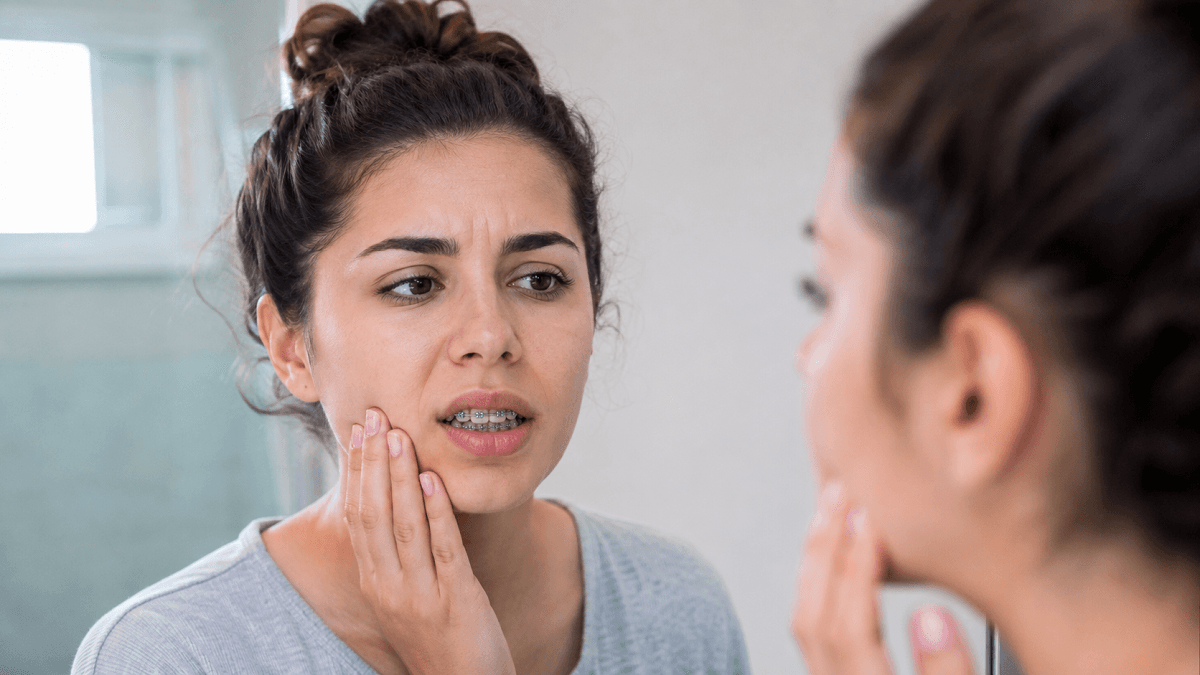
Yes, braces can hurt or feel uncomfortable for a short time, but they should not cause constant severe pain. Most patients feel pressure, tooth tenderness, or chewing soreness for a few days after braces are first fitted or after routine tightening. If braces pain is severe, keeps getting worse, or comes with swelling, bleeding, a broken wire, or difficulty opening the mouth, the patient should contact the orthodontic team.
Why Braces Pain Happens
Braces pain happens because orthodontic appliances move teeth through gentle, controlled force. That force affects the periodontal ligament around each tooth root and starts a slow remodeling process in the surrounding bone. As the teeth begin to move, the mouth may respond with soreness, pressure, mild inflammation, and chewing sensitivity. This is why new braces or a recent adjustment can make even soft foods feel harder to bite for a few days.
Braces can also irritate soft tissue. Brackets create new edges against the lips and cheeks, while wires can rub or occasionally poke. The bite may feel unfamiliar because brackets add thickness and teeth are shifting in stages. For most people, these symptoms are part of adaptation rather than a sign that treatment is going wrong. The goal is to manage normal discomfort while recognizing symptoms that deserve professional attention.
What Braces Pain Feels Like in the First Week
In the first week, braces discomfort often feels like dull pressure rather than sharp pain. Teeth may feel tender when biting, chewing strength may feel weaker, and the lips or cheeks may feel scratched. The strongest braces pain often appears during the first 24 to 72 hours and then gradually improves. Some patients feel comfortable sooner, while others need closer to a week.
Mouth sores can take longer because the soft tissues need time to adapt to brackets and wires. Many patients notice that rubbing improves within one to three weeks. During this period, soft foods, orthodontic wax, and a careful cleaning routine can make daily life much easier.
7 Common Orthodontic Problems and How to Relieve Them
1. Tooth Soreness After Braces Fitting
Tooth soreness often appears after braces are first placed, after a wire change, or after tightening. The teeth may feel tender, weak, or sensitive when biting. This usually fades as the periodontal ligament adapts to the orthodontic force.
- Eat soft foods such as yogurt, soup, steamed eggs, soft noodles, tofu, smoothies, and mashed potatoes.
- Let hot food cool before eating, because heat can make sensitive tissues feel more irritated.
- Brush gently but thoroughly; stopping cleaning can make gum irritation worse.
- Ask your dentist before using pain medicine, especially if you have medical conditions or take other medication.
2. Mouth Sores From Brackets and Wires
Brackets and wires can rub against the cheeks and lips, especially in the first few weeks. This may cause red spots, small ulcers, or pain when drinking acidic drinks.
- Dry the bracket first, roll a small piece of orthodontic wax, and press it over the rough area.
- Use wax before sleep if a bracket keeps rubbing the same spot.
- Drink enough water and avoid spicy or acidic foods while ulcers heal.
- Call the clinic if a wire pokes and wax cannot cover it. Do not cut wires at home.
3. Mild Loose-Feeling Teeth During Treatment
Mild tooth mobility can happen during orthodontic movement because the bone is remodeling around the roots. This should stay mild and temporary. Do not test the tooth repeatedly with your fingers or tongue, because that can irritate the tissues and increase anxiety.
- Avoid shaking the tooth on purpose.
- Keep brushing and flossing carefully.
- Avoid hard nuts, sticky candy, pen biting, and fingernail biting.
- Contact your dentist if looseness feels severe or comes with strong pain, swelling, or bleeding.
4. Bite Changes and Chewing Difficulty
Braces can make the bite feel strange because brackets add thickness and teeth are moving in stages. One tooth may touch early, some teeth may not meet, or chewing may feel less efficient. This is often temporary, but strong bite pain should be checked.
- Cut food into smaller pieces and chew slowly.
- Use back teeth when comfortable.
- Avoid hard, crunchy, sticky, or chewy foods.
- Ask your orthodontist about bite pads if brackets are being hit by the opposite teeth.
5. Dry Mouth, Extra Saliva, and Metallic Taste
Some patients notice dry mouth, extra saliva, or a mild metallic taste after getting braces. The mouth is reacting to a new appliance, and the feeling usually improves as adaptation continues.
- Sip water often and keep lips moisturized.
- Choose alcohol-free mouthwash if recommended.
- Rinse after meals to remove food and reduce unusual taste.
- Tell your dentist if dry mouth, burning, numbness, or taste changes persist.
6. Gum Swelling and Bleeding
Braces do not usually cause gum disease by themselves, but brackets and wires make plaque easier to trap. If plaque stays near the gumline, gums may become red, puffy, tender, or bleed during brushing.
- Brush above and below each bracket for at least two minutes.
- Use an interdental brush under the wire and around brackets.
- Floss once daily with a floss threader or orthodontic floss.
- A water flosser can help remove trapped food, but it does not replace brushing.
7. Jaw Tension, Headache, and Neck Soreness
Some patients feel jaw tension, temple pressure, mild headache, ear-area discomfort, or neck tightness after fitting or adjustment. Bite changes can make chewing muscles work differently while the mouth adapts.
- Apply a warm towel and rest the jaw.
- Avoid gum chewing and wide mouth opening.
- Keep lips closed but teeth slightly apart when resting.
- Contact your dentist if pain is severe, the jaw locks, or you cannot open normally.
Fast Relief Steps for Braces Pain
You usually cannot stop braces pain immediately because the pressure comes from tooth movement. However, you can reduce the intensity quickly and protect the irritated area.
- Choose cold water or a cold compress for short-term comfort when teeth feel sore.
- Use orthodontic wax for rubbing brackets or a wire end.
- Rinse with warm salt water if the cheeks, lips, or gums feel irritated.
- Eat soft foods for the first few days after fitting or tightening.
- Use over-the-counter pain medicine only as directed by your dentist or physician.
- Call the orthodontist if wax cannot cover a sharp wire, or if a bracket or wire breaks.
Foods to Eat and Avoid When Braces Hurt
| Choose Softer Foods | Avoid Hard or Sticky Foods |
|---|---|
| Yogurt, smoothies, soup, rice porridge, steamed eggs, scrambled eggs, soft noodles, tofu, soft fish, mashed potatoes | Hard nuts, ice cubes, sticky candy, chewy caramel, hard bread crust, popcorn kernels, whole apples, tough meat |
| Cut food into small pieces and chew slowly to reduce pressure on sore teeth. | Do not bite directly into hard foods, because this can loosen brackets or bend wires. |
Daily Cleaning Tips With Braces
Good cleaning reduces many orthodontic problems, including gum swelling, bad breath, white spots, and irritation around brackets. Brush after meals when possible. If you cannot brush right away, rinse with water first and clean carefully later.
- Brush for at least two minutes, angling the brush toward the gumline.
- Brush above each bracket, below each bracket, the chewing surfaces, and the tongue.
- Use an interdental brush to clean under wires and around brackets.
- Floss daily with a threader, orthodontic floss, or another method recommended by your orthodontic team.
- Replace your toothbrush often because braces wear out bristles faster.
When to Contact Your Orthodontist
Most braces pain improves at home, but some signs need professional advice. Early adjustment is better than trying to repair braces with household tools.
- A wire pokes and wax cannot cover it.
- Pain is severe, getting worse, or does not improve.
- A bracket is loose or a wire is broken.
- There is heavy gum bleeding, swelling with fever, pus, or a bad taste.
- A tooth feels strongly loose rather than mildly mobile.
- The jaw locks or opening the mouth becomes difficult.
Huangshan Dental Orthodontic Cost Reference
The following Huangshan Dental orthodontic prices are reference prices from the clinic's orthodontics price list. Final treatment cost should still be confirmed after orthodontic examination, diagnostic records, and treatment planning.
| Orthodontic Item | RMB | Approx. USD | Notes |
|---|---|---|---|
| Self-Ligating Metal Braces | RMB 11,000 | Approx. USD 1,632 | Fixed braces option using self-ligating metal brackets. |
| Angelalign Comfos Clear Aligners | RMB 18,999 | Approx. USD 2,819 | Entry clear aligner option for selected orthodontic cases. |
| Angelalign Standard Clear Aligners | RMB 24,999 | Approx. USD 3,709 | Standard clear aligner treatment option. |
| Invisalign Comprehensive | RMB 36,800 | Approx. USD 5,460 | Comprehensive clear aligner option for more complex planning needs. |
Note: These are reference prices, not guaranteed quotes. Final cost depends on diagnostic records, bite condition, tooth movement difficulty, appliance system, visit schedule, and retention plan.
China vs Other Countries: Orthodontic Cost Comparison
Orthodontic treatment is usually a longer-term service than veneers or crowns, so travel planning matters. Patients comparing costs should consider the appliance fee, diagnostic records, follow-up visits, emergency adjustments, retainers, and whether shared care is available after returning home.
| Market | Typical Braces / Aligner Cost | Useful Context |
|---|---|---|
| China | Huangshan Dental examples: approx. USD 1,632-5,460 | Often competitive for private orthodontic care, but travel patients need a realistic follow-up schedule. |
| United States | Often about USD 2,500-10,000 depending on appliance and case | Higher labor, rent, insurance, and clinic overhead can raise private treatment cost. |
| Thailand | Metal braces often about USD 1,522-3,043; ceramic about USD 2,130-3,043 | Popular dental travel market, but braces require ongoing adjustment visits. |
| United Kingdom | Private braces are commonly quoted in the low-thousands to several-thousands of GBP | NHS orthodontics may be available for eligible under-18 patients; many adults pay privately. |
| Turkey | Clinic-advertised braces ranges can be lower than many Western private markets | Pricing varies widely by clinic, case type, and included follow-up services. |
FAQ
How long do braces hurt after getting them on?
Most braces pain is strongest during the first 24 to 72 hours and improves within two to five days. Some patients feel mild tenderness for up to a week. Cheek and lip rubbing may take one to three weeks to settle as the mouth adapts to brackets and wires. Contact your orthodontist if pain is severe, worsening, or not improving.
How to stop braces pain immediately
You may not be able to stop braces pressure instantly, but you can reduce it quickly. Try cold water, a cold compress, soft foods, orthodontic wax for rubbing brackets, and warm salt-water rinses for irritated tissues. Use pain medicine only as advised by your dentist or physician. If a wire pokes or a bracket breaks, contact the clinic.
How to stop braces pain after tightening
After tightening, plan soft foods for a few days, chew slowly, avoid hard or sticky foods, keep the mouth clean, and use orthodontic wax if brackets rub. Warm salt-water rinses may soothe sore spots. Dentist-approved pain relief may help during the first day or two. Call your orthodontist if pain feels sharp, severe, or unusual.
Conclusion
Braces pain is usually a normal, short-term part of orthodontic treatment. It often appears after the first fitting or after tightening, then improves as the teeth, gums, cheeks, lips, and jaw muscles adapt. The best approach is simple: choose soft foods, clean carefully, use orthodontic wax when brackets rub, follow your orthodontist's instructions, and ask for help when symptoms feel unusual. With the right care, braces discomfort becomes easier to manage and the treatment journey feels more predictable.
Disclaimer
This Huangshan Dental article is for informational purposes only and does not constitute medical advice, diagnosis, or a guaranteed treatment result. Always consult a qualified dentist or orthodontist for a personalized evaluation and follow your dental team's specific instructions before and after treatment.