
Comfortable Dental Care for Patients at Huangshan Dental
On this page~7 min read
Key Takeaway
Comfortable dental care is designed for patients who feel nervous, sensitive, embarrassed, or unable to cooperate during dental treatment. At Huangshan Dental, the goal is to reduce anxiety and pain through careful communication, appropriate anesthesia or sedation choices, and professional support before, during, and after treatment. It may be used for routine care such as cleaning and fillings, as well as more complex treatments such as tooth extraction, dental implants, and full-mouth procedures. The right method depends on the patient's health condition, anxiety level, age, treatment complexity, and medical history.
Featured Answer: What Is Comfortable Dental Care?
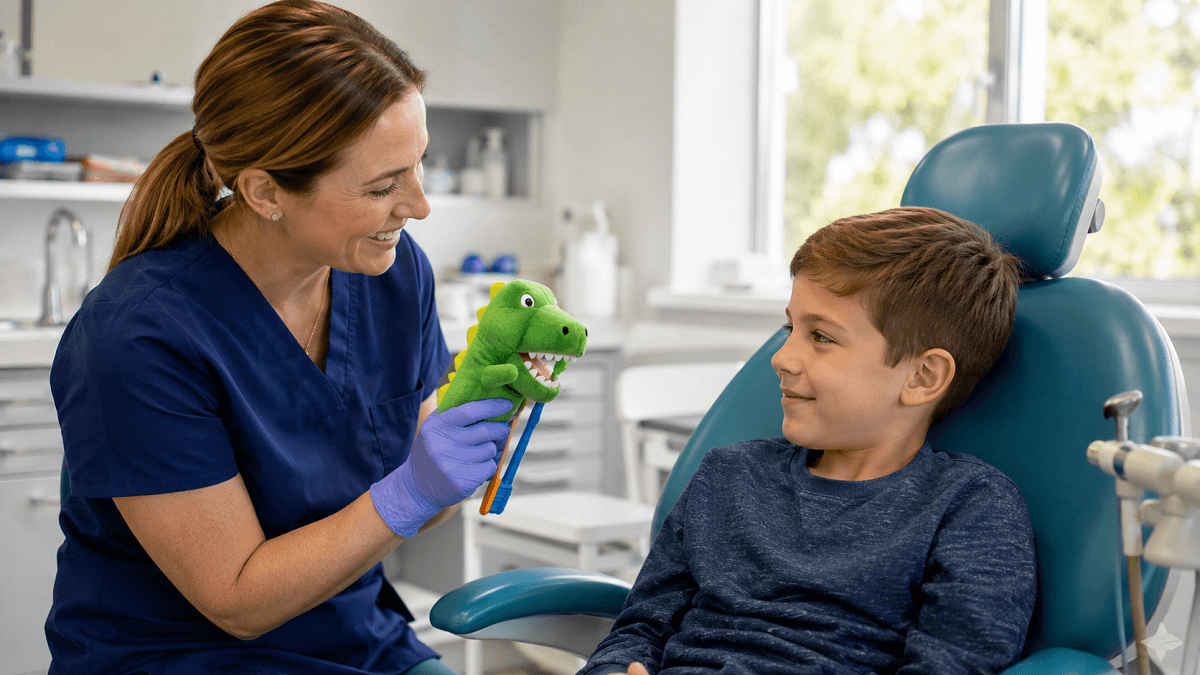
Comfortable dental care means using patient-centered communication, pain control, sedation or anesthesia when appropriate, and close clinical monitoring to help patients receive dental treatment with less fear and discomfort. It does not mean every patient must be asleep. Some patients only need reassurance, topical numbing gel, local anesthesia, music, or breaks during treatment. Others may benefit from nitrous oxide, oral sedation, IV sedation, or general anesthesia after a professional medical evaluation. The American Dental Association notes that nitrous oxide with oxygen can be a safe and effective way to manage dental pain and anxiety when used appropriately.
Why Dental Fear Should Not Be Ignored
If the sound of a dental drill makes your heart race, if your hands tighten during treatment, or if an unpleasant dental memory makes you delay appointments, you are not alone. Dental anxiety can make small problems become larger ones. A cavity that could have been repaired early may become toothache, infection, root canal treatment, or even extraction. A loose filling, gum bleeding, or wisdom tooth problem may also become more difficult and more expensive when care is postponed for too long.
Comfortable dental care at Huangshan Dental is built for this exact situation. Instead of asking patients to simply be brave, the team aims to understand what makes treatment difficult: fear of pain, fear of needles, sensitivity to sounds, strong gag reflex, previous negative experiences, embarrassment about oral health, or concern about a long procedure. Once the dental team understands the trigger, the treatment plan can be adjusted in a safer and calmer way.
Who Is Suitable for Comfortable Dental Care?
Comfortable dental care may be suitable for a wide range of patients, from children who cannot cooperate with routine treatment to adults who have avoided the dentist for years. It can also help patients who need several procedures in one visit, patients with a strong gag reflex, or people who feel overwhelmed by complex dental implant, extraction, or restorative care.
- Patients with dental anxiety, dental phobia, fear of pain, fear of needles, or fear of dental sounds.
- Children or teenagers who cannot stay calm enough for safe treatment.
- Patients with a strong gag reflex or difficulty keeping the mouth open for long periods.
- Patients who need complex procedures, such as wisdom tooth extraction, implant surgery, bone grafting, or full-mouth treatment.
- Older patients or patients with medical conditions who need a more carefully monitored treatment plan.
- Patients who feel embarrassed about their teeth and need a supportive, nonjudgmental consultation.
However, comfortable dental care is not a one-size-fits-all service. Patients with certain medical conditions, pregnancy, medication interactions, respiratory problems, or high anesthesia risk may need additional evaluation or a different plan. A qualified dental and anesthesia team should review the patient's medical history before choosing the safest approach.
What Anesthesia or Sedation Is Usually Used?
Comfortable dental care usually works from lighter support to deeper anesthesia, depending on the patient and procedure. The purpose is to use enough support to make treatment possible and comfortable, while avoiding unnecessary medication. NHS England's clinical guide for dental anxiety management also emphasizes that anxiety management should be based on careful individual assessment, because different people may need different techniques for different dental procedures.
For mild anxiety, the dentist may begin with communication, topical numbing gel, local anesthesia, short appointments, music, hand signals, and breaks during treatment. For moderate anxiety or a strong gag reflex, inhalation sedation such as nitrous oxide or oral medication may be discussed. For more complex treatment or stronger anxiety, IV sedation may be considered. For patients who cannot safely complete dental treatment with local anesthesia or moderate sedation, general anesthesia may be an option after careful medical evaluation.
Does Comfortable Dental Care Affect the Body?
Any sedative or anesthetic medication can affect the body temporarily, which is why professional assessment and monitoring matter. Common temporary effects may include sleepiness, dry mouth, nausea, dizziness, or slower reaction time. Cleveland Clinic notes that recovery time depends on the type of sedation: nitrous oxide often wears off faster, while oral or IV sedation may require patients not to drive for 24 hours and to rest after treatment.
The safety focus is not only the medicine itself, but also the process around it. Before treatment, the Huangshan dental team should ask about medical history, allergies, current medications, blood pressure, heart disease, diabetes, breathing conditions, pregnancy, and past anesthesia reactions. During treatment, vital signs may be monitored according to the level of sedation. After treatment, patients should follow recovery instructions and arrange an escort if deeper sedation or general anesthesia is used.
Comfortable Dental Care at Huangshan Dental
Huangshan Dental has treated many patients who were anxious, sensitive, afraid of dental treatment, or worried that they could not cooperate in the dental chair. Patients do not need to feel ashamed about fear. A professional consultation team can accompany patients through the visit, help explain each step, communicate concerns to the dentist, and reduce the uncertainty that often makes dental anxiety worse.
For international patients, this support can be especially important. Patients may be concerned about language, treatment length, anesthesia, travel timing, or how many visits are needed. Huangshan Dental can first review the patient's concerns and treatment goals, then arrange an in-person examination, imaging, and a suitable care plan. The aim is not only to complete dental treatment, but to make the experience clearer, calmer, and easier to trust.
Comfortable Dental Care Options at a Glance
| Care option | Common use | Patient experience | Important notes |
|---|---|---|---|
| Behavioral support and communication | Mild anxiety, first visits, fear of sounds or needles | Patient stays fully awake and in control | Useful for almost all patients and often combined with other methods |
| Local anesthesia | Fillings, deep cleaning, extraction, implant steps, most routine procedures | Numbs the treatment area while the patient remains awake | Does not remove anxiety by itself, but controls procedural pain |
| Nitrous oxide inhalation sedation | Mild to moderate dental anxiety or gag sensitivity | Patient feels calmer while remaining responsive | Usually wears off faster than oral or IV sedation; suitability must be assessed |
| Oral sedation | Patients who need stronger relaxation than reassurance alone | Patient may feel drowsy and relaxed | May require escort and recovery time; follow the dentist's instructions |
| IV sedation | Moderate to severe anxiety, strong gag reflex, longer or complex treatment | Deeper relaxation; patient may remember less of the procedure | Requires trained clinicians, monitoring, and post-treatment safety instructions |
| General anesthesia | Special needs, severe dental anxiety, or procedures that cannot be completed otherwise | Patient is asleep during treatment | Requires strict medical evaluation and appropriate anesthesia support |
FAQ
What can I do if I'm too embarrassed to see the dentist?
Tell the clinic before your visit that you feel embarrassed or anxious. A supportive dental team will not judge you; they will focus on diagnosis, comfort, and the safest next step. You can start with a consultation, dental photos, or a gentle examination before deciding on treatment.
How do people with anxiety go to the dentist?
People with dental anxiety can ask for a slower appointment, clear explanations, hand signals, music, breaks, topical numbing gel, local anesthesia, or sedation options. For stronger anxiety, the dentist may recommend nitrous oxide, oral sedation, IV sedation, or general anesthesia after evaluating health history and treatment needs.
Conclusion
Comfortable dental care helps patients receive necessary treatment without feeling forced to endure fear or pain alone. For people who avoid the dentist because of anxiety, gag reflex, previous bad experiences, or complex treatment needs, Huangshan Dental can provide a careful evaluation, professional consultation support, and suitable anesthesia or sedation options when appropriate. The best first step is to discuss your concerns openly so the dental team can design a safer, calmer, and more personalized care plan.
Disclaimer
This Huangshan Dental article is for informational purposes only and does not constitute medical advice, diagnosis, or a guaranteed treatment result. Always consult a qualified dentist or anesthesia professional for a personalized evaluation and follow your dental team's specific instructions before and after treatment.