
Dental Implants vs. Dentures: Choice Guide in 2026
On this page~7 min read
Key Takeaway
- Dental implants replace missing tooth roots and support crowns, bridges, or full-arch restorations; dentures sit on the gums and can be removed.
- Implants usually feel more stable for chewing and speaking, while dentures are often faster and lower in initial cost.
- Dentures may feel bulky or move during meals, but they remain useful for patients who prefer a removable, non-surgical solution.
- The best choice depends on bone volume, gum health, medical history, hygiene habits, treatment timeline, and budget.
Featured Answer: Are dental implants really better than dentures?
Dental implants are often better for stability, chewing strength, appearance, and long-term jaw support, but they are not automatically better for every patient. Dentures may be more suitable when someone wants a removable, lower-cost, non-surgical option or has medical or bone limitations. The right answer should come from a dentist after checking bone condition, gums, bite, health history, expectations, and budget.
Why Patients Compare Dental Implants and Dentures
When patients compare dental implants and dentures, the real question is usually not only price. They want to know which option will feel more natural, which one is easier to eat with, and which one will give them confidence in daily life. Missing teeth can affect chewing, pronunciation, facial support, nutrition, and social comfort. A replacement should therefore look natural, fit safely, and match the patient’s lifestyle.
Traditional dentures can replace several teeth or an entire arch with a removable appliance. They are often chosen because treatment is simpler, faster, and more affordable at the beginning. Dental implants work differently because they are placed in the jawbone and then used to support artificial teeth. This is why implants are usually discussed as a more stable option, especially for patients who dislike loose dentures or a strong foreign-body feeling.
What Are Dental Implants?
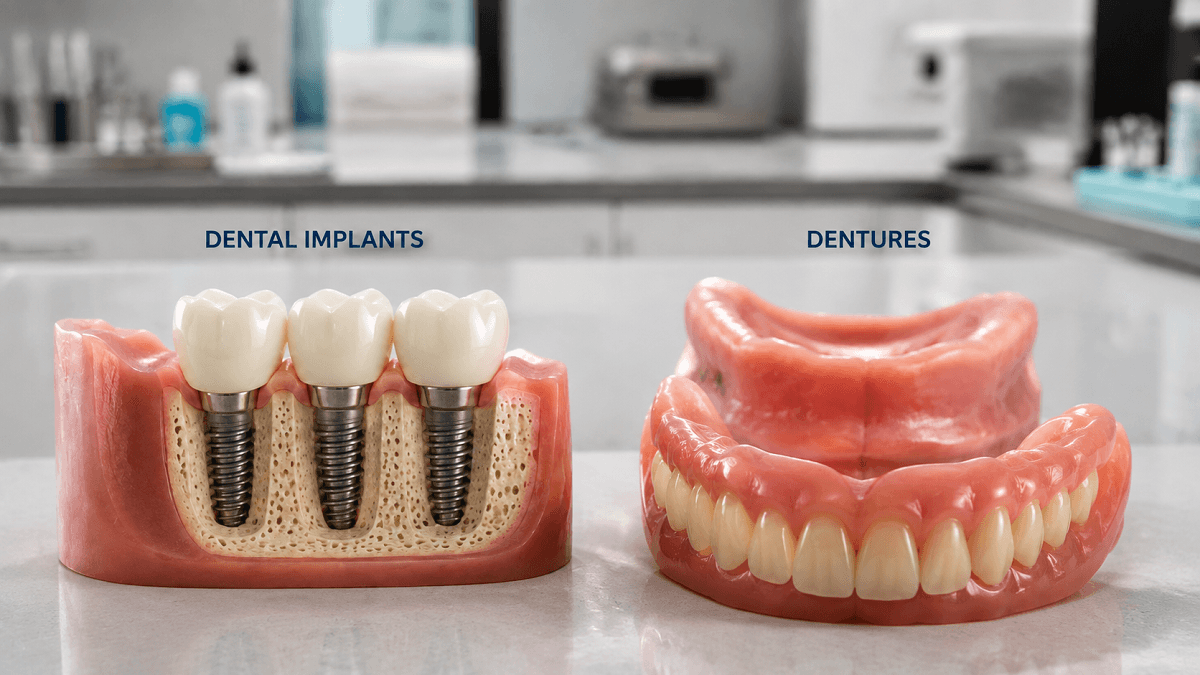
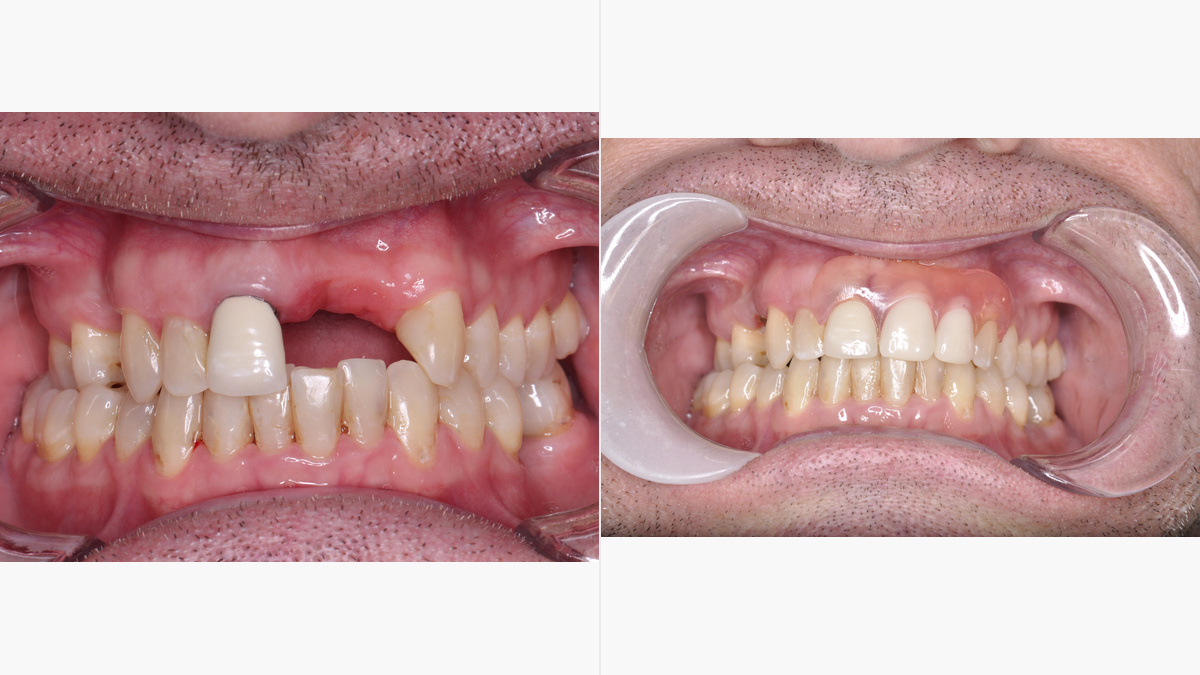
Dental implants are artificial tooth roots, commonly made from titanium or another biocompatible material. A dentist places the implant into the jawbone, where it is expected to integrate with the surrounding bone during healing. After that, the implant can support a crown, bridge, or full-arch restoration. The U.S. FDA describes dental implants as medical devices surgically placed in the jaw to restore chewing ability or appearance and to support crowns, bridges, or dentures.
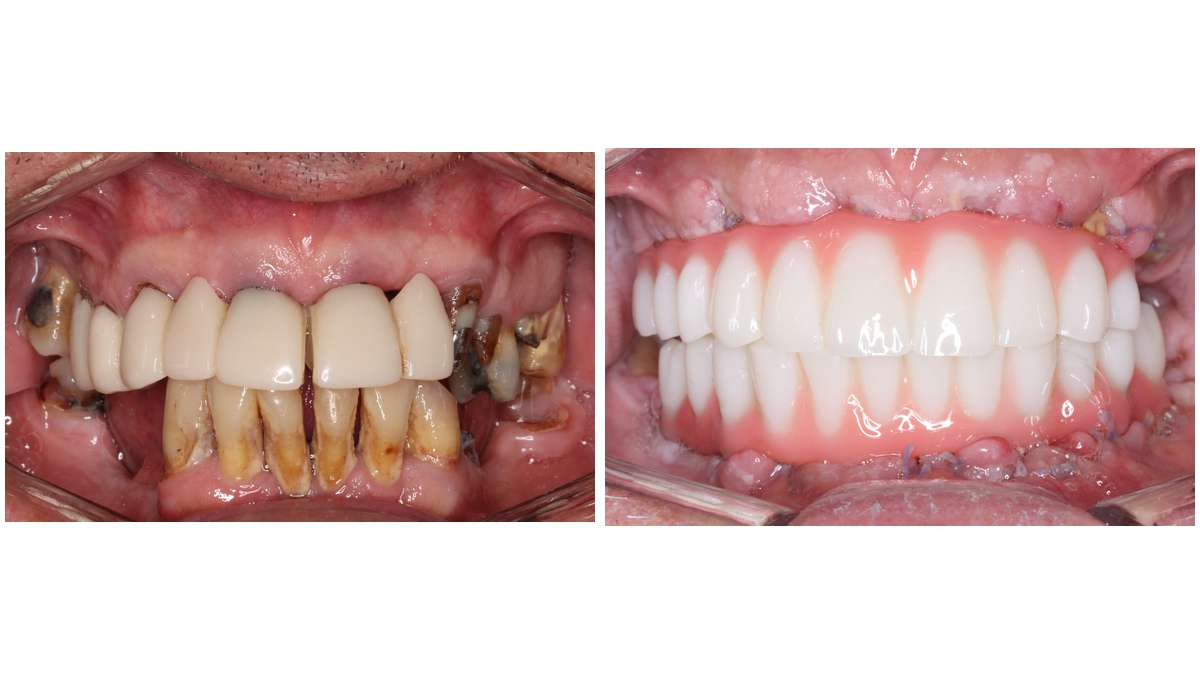
For one missing tooth, a single implant can support one crown. For several missing teeth, implants may support a bridge. For full-mouth tooth loss, systems such as All-on-4, All-on-5, or All-on-6 can support a full arch of fixed teeth or implant-supported dentures. Because implants gain support from bone, they usually move less than removable dentures after healing. However, implants require planning, imaging, surgery, healing time, and careful maintenance.
What Are Dentures?
Dentures are removable dental appliances that replace missing teeth. A partial denture replaces several missing teeth, while a complete denture replaces all teeth in one jaw. Dentures usually rely on gum support, suction, clasps, or the shape of the jaw ridge. This design can restore appearance and improve chewing compared with having no teeth, but it also explains why some patients notice movement, pressure spots, or a bulky feeling.
Unlike fixed implant teeth, dentures have a base that sits over the gums and sometimes the palate. This base helps hold the denture, but it may affect speech, taste, and comfort during the adjustment period. Many patients adapt well after several appointments, while others need relining, repair, or a new denture as the mouth changes over time. Dentures are not a poor option; they are a different type of solution.
Dental Implants vs Dentures: Pros and Cons
| Comparison point | Dental implants | Dentures |
|---|---|---|
| Main advantages | Stable support from jawbone, strong chewing, natural-looking crowns or bridges, and less foreign-body feeling in many fixed cases. | Lower initial cost, non-surgical treatment, removable cleaning, and faster replacement for many patients. |
| Main limitations | Higher upfront cost, surgery, healing time, and the need for enough bone and healthy gums. | Possible movement, bulky feeling, gum sore spots, relines, repairs, or replacement as the jaw changes. |
| Best fit | Patients who want fixed teeth when possible and value long-term comfort, stability, and chewing confidence. | Patients who need an affordable removable option, want to avoid surgery, or need a temporary solution. |
Huangshan Dental Reference Prices
The following prices are selected Huangshan Dental reference examples based on the supplied price table. Final cost should be confirmed after clinical examination.
| Treatment | Type | Cost (CNY) | Approx. Cost (USD) | Days / Notes |
|---|---|---|---|---|
| MegaGen Implant Package | Implant, abutment, and crown | RMB 4,999 | USD 720 | 2-3 days |
| Straumann BLT Implant Package | Implant, abutment, and crown | RMB 6,999 | USD 1,009 | 2-3 days |
| NobelActive Implant Package | Implant, abutment, and crown | RMB 8,300 | USD 1,196 | 2-3 days |
| Straumann Roxolid SLActive Package | Implant, abutment, and crown | RMB 10,999 | USD 1,585 | 2-3 days |
| MegaGen All-on-4/5/6 | Titanium base and resin crowns | RMB 14,800 | USD 2,133 | 2-3 days |
| NobelActive All-on-4/5/6 | Titanium framework and zirconia crowns | RMB 69,999 | USD 10,086 | 2-3 days |
| Invisible Dentures | Removable denture option | RMB 800 | Approx. USD 115 | Exam required |
Comfort, Stability, and Foreign-Body Feeling
Comfort is one of the biggest differences patients notice. Removable dentures rest on soft tissue, so pressure is carried by the gums. If the denture fits well, many people can wear it successfully. If the fit is loose or uneven, sore spots, ulcers, clicking sounds, trapped food, or difficulty speaking may appear. Upper dentures may also cover part of the palate, which can make some patients feel that food texture or taste is less natural.
Dental implants usually feel more stable because they are supported by jawbone instead of relying only on gum tissue. Fixed implant crowns and bridges do not need a large removable base, so patients often report less foreign-body feeling. Still, implants are not maintenance-free. Poor cleaning, smoking, gum disease, uncontrolled systemic conditions, or heavy bite forces can affect long-term success. A stable result depends on good planning and regular follow-up.
Eating, Speech, and Daily Use
Traditional dentures improve chewing compared with having no teeth, but they usually provide less biting confidence than fixed implant teeth. Sticky or hard foods may lift a denture, especially if the jaw ridge has changed over time. Food may also collect under the denture base. Patients often learn new chewing habits, such as cutting food into smaller pieces and chewing evenly on both sides.
Dental implants often make eating easier once healing is complete, especially when a fixed crown, bridge, or full-arch restoration is used. They can also help speech confidence because the teeth move less during conversation. However, implants and crowns can still chip, wear, or loosen if overloaded. Patients should avoid using teeth as tools, chewing ice, or ignoring night grinding symptoms.
How to Choose Between Dental Implants and Dentures
A good choice begins with diagnosis, not with a price list. Patients should ask the dentist to examine remaining teeth, gum condition, bone volume, bite relationship, smile expectations, and medical history. X-rays or 3D scans may be needed before recommending implants. If there is severe bone loss, a removable denture, implant-supported denture, bone grafting, or staged treatment may be discussed.
- Choose dentures when lower initial cost, faster treatment, or avoiding surgery is the priority.
- Choose dental implants when stability, chewing strength, and fixed teeth are the main goals and clinical conditions are suitable.
- Consider implant-supported dentures when traditional dentures feel loose but a fully fixed bridge is not the preferred plan.
- Review the full cost, number of visits, maintenance needs, possible repairs, and long-term follow-up before deciding.
FAQ
Do implants look more natural than dentures?
In many cases, dental implants look and feel more natural because they support individual crowns or fixed bridges that do not move like removable dentures. However, well-designed modern dentures can also look natural. The final appearance depends on tooth color, gum support, bite design, facial shape, and laboratory quality.
Is it easier to eat with dentures or implants?
Most patients find it easier to eat with fixed implant teeth because they are more stable. Dentures can still restore useful chewing, but they may require practice and may move with hard, sticky, or chewy foods. A well-fitted denture or implant-supported denture can improve comfort compared with a loose appliance.
Which is more painful, dentures or implants?
Dentures are non-surgical, but they may cause gum soreness or pressure spots if the fit is not ideal. Dental implants involve surgery, so temporary post-operative soreness is expected, but anesthesia and aftercare usually help control discomfort. Pain levels vary by patient, procedure complexity, healing response, and oral hygiene.
Conclusion
Dental implants and dentures both help replace missing teeth, but they solve the problem in different ways. Dentures are removable, practical, and lower in initial cost. Dental implants are usually more stable and can feel closer to natural teeth after healing. For patients comparing dental implants vs dentures in 2026, the best choice should balance comfort, stability, appearance, medical suitability, treatment time, and budget. A personalized dental examination is the safest way to decide.
Disclaimer
This Huangshan Dental article is for informational purposes only and does not constitute medical advice, diagnosis, or a guaranteed treatment result. Always consult a qualified dentist for a personalized evaluation and follow your dental team’s specific instructions before and after treatment.