

Blog

SS White donates to America’s ToothFairy

SS White has donated more than $112,000 in dental products to America’s ToothFairy: National Children’s Oral Health Foundation (NCOHF). The products were distributed to the America’s ToothFairy affiliate network, a national network of community-based healthcare facilities and outreach programs providing educational, preventive, and restorative services for children. The donation included diamond burs, carbide burs, composite finishing kits, and Caries Access block assemblies. “SS White is proud to support the mission
FDA adds black box warning to prescription opioids

The U.S. Food and Drug Administration (FDA) is requiring boxed warnings for immediate-release opioid pain medications, the agency announced on March 22. The warning emphasizes the risks of misuse, abuse, addiction, overdose, and death associated with the medications. Robert Califf, MD, FDA commissioner. All images courtesy of the FDA. The changes are the latest in a number of steps the FDA is taking to reverse the ongoing prescription opioid epidemic.

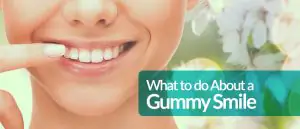
What to Do About a “Gummy” Smile

Your smile says a lot about you. That’s why people seek for cosmetic dental treatments; because they want to have an appealing smile. Yet, many people are not aware that several conditions they believe incorrigible have a solution. One of those conditions (and one of the most common) is the gummy smile. Fortunately, there are different options to treat this condition for anyone who feel uncomfortable with the appearance of

Case report: Pediatric halitosis and tonsil stones

Over the last 10 years that I have been treating halitosis, most of my patients were adults, but surprisingly, two of my most recent patients were children. Periodontal disease is known to be a cause of breath odor in adults, but a common assumption is that children are too young to have periodontal disease, so, therefore, they shouldn’t have chronic breath odor. This is a false assumption, according to a

AADR 2016: Sealant recommendation varies widely

The rates at which Japanese dentists recommended sealants varied widely in a study presented last week at the 2016 American Association of Dental Research (AADR) annual meeting in Los Angeles. “Recommending a sealant was significantly related to the dentist having a higher belief about the effectiveness of caries risk assessment,” concluded the researchers from Japan, Florida, and Alabama. The study included almost 200 dentists who reported that they practiced some

Interleukin Genetics reports Q4 results

Interleukin Genetics reported increased revenues for its fiscal fourth quarter of 2015 but also an increase in net loss, compared with the same quarter the previous year. For the quarter (end-December 31), the company reported revenues of $366,000, compared with $322,000 for the same quarter of 2014. Net loss for the quarter was $1.9 million, compared with $1.6 million in 2014. For the full-year 2015 results, the company reported revenues

Week in Review: Fluoridation cessation and cavities; opioid prescriptions; and a team of CEOs

Dear HuangshanDental.com Member, Canadian researchers have new evidence that links the cessation of water fluoridation to an increase in caries. A recent study found schoolchildren in Calgary, Alberta, had a higher prevalence of caries in their primary teeth after the city’s water supply was no longer fluoridated. Read Assistant Editor Theresa Pablos’ article here. Disproportionally large amounts of opioids are frequently prescribed to patients after tooth extractions, especially given the

AADR 2016: Better way to quantify caries needed

The traditional decayed, missing, and filled surfaces (DMFS) system for quantifying caries significantly overestimates the actual prevalence of the disease, according to new research presented at this week’s 2016 American Association of Dental Research (AADR) annual meeting in Los Angeles. Researchers from the University of Alabama at Birmingham used a case series analysis to determine if caries overestimation exists. They compared traditional DMFS counting to modified DMFS scores based on

AADR 2016: Study looks at kids’ caries relapse rate after general anesthesia

Pediatric patients who receive treatment under general anesthesia have a higher rate of caries relapse compared with those patients who had treatment without general anesthesia, according to a study presented at this week’s 2016 American Association of Dental Research (AADR) annual meeting in Los Angeles. Researchers from the University of Washington retrospectively investigated the socioeconomic characteristics of these patients and their caries relapse rates. The study included children from birth

Study analyzes short-term results of defluoridating water

Canadian researchers have new evidence that links cessation of water fluoridation to an increase in caries. A recent study found schoolchildren in Calgary, Alberta, had a higher prevalence of caries in their primary teeth after the city’s water supply was defluoridated. The researchers studied the prevalence of caries in Calgary children before and after the city ended community water fluoridation in 2011. They also compared the caries prevalence of children

New guidelines recommend restorative patient exams every 6 months

Patients with tooth-borne restorations, either fixed or removable, should be seen for a clinical exam at least every six months for the rest of their lives, according to recently issued guidelines from the American College of Prosthodontists (ACP). However, if a patient is categorized as being at higher risk because of a number of factors, such as age, ability to perform oral self-care, and biological or mechanical complications, they should

JAMA: Too many opioids prescribed for extractions

Dentists may be prescribing an excessive amount of opioids after tooth extractions, according to a new study in the Journal of the American Medical Association. “This common dental procedure may represent an important area of excessive opioid prescribing in the United States.” — Brian Bateman, MD, and co-authors Opioid abuse has reached epidemic proportions in the U.S. This abuse can start with a prescription for a pain medication, the study

WhatsApp