
Tartar on Teeth: Causes, Removal, Cost 2026 Guide
On this page~8 min read
Key Takeaway
- Tartar is hardened plaque. Plaque can be cleaned away at home, but tartar usually needs professional scaling.
- Untreated tartar may irritate gums, increase bleeding, worsen bad breath, and contribute to gingivitis or periodontitis.
- Do not scrape tartar at home with sharp tools. Safe care focuses on brushing, interdental cleaning, and professional dental cleaning.
- At Huangshan Dental, comfortable ultrasonic teeth cleaning is listed at RMB 280 per visit in the provided price image.
Featured Answer: What Is Tartar?
Tartar, also called dental calculus, is hardened plaque that sticks to teeth and often forms near the gumline or behind the lower front teeth. Plaque is a soft bacterial film that can be removed with brushing and interdental cleaning. When plaque remains on teeth, minerals in saliva can harden it into tartar. Once tartar forms, it cannot be fully removed by brushing or flossing alone. A dentist or dental hygienist removes it safely with professional scaling instruments.
What Causes Tartar on Teeth?
Tartar on Teeth starts with plaque, the sticky film that forms on tooth surfaces after meals, drinks, and normal daily activity. Plaque contains bacteria, food debris, and saliva proteins. If it is removed every day, it may never have time to harden. If it stays in place, minerals from saliva can turn it into dental calculus. This is why tartar often appears behind the lower front teeth, near salivary ducts, and along the gumline where brushing angles are easy to miss. The American Dental Association explains that plaque can contribute to tooth decay and gum disease, and that plaque not removed by daily brushing and cleaning between teeth can harden into calculus or tartar.
Many patients feel surprised when they see tartar even though they brush daily. That does not always mean they are careless. Tartar formation depends on brushing technique, saliva mineral content, tooth crowding, gum shape, restorations, diet, smoking, and how often a person receives professional cleaning. Some people build calculus quickly, especially on the tongue side of the lower incisors. Others may mainly collect stain from tea, coffee, wine, tobacco, or colored foods. Stain and tartar are not the same, but they often appear together because the rough surface of tartar catches pigments more easily.
The first warning sign is usually a rough feeling. A patient may run the tongue over the teeth and feel a hard ridge near the gumline. Other signs include yellow or brown buildup, bleeding when brushing, bad breath that returns soon after brushing, swollen gums, gum tenderness, or stains that do not disappear with toothpaste. Tartar below the gumline may be invisible at home, but it can still trigger inflammation. That is why a dental exam is important even when teeth look clean in the mirror.
Why Tartar Removal Matters for Gum Health
Tartar is more than a cosmetic concern. Because it creates a rough surface, more plaque can attach to it, and bacteria can stay close to the gum tissue. The CDC states that plaque can be removed with toothbrushing and flossing, but if plaque is not removed, it usually hardens into tartar, and professional treatment is needed to remove it. This matters because tartar can irritate the gums and support the development of gingivitis. Gingivitis may cause red, swollen, or bleeding gums, but it is often reversible with professional cleaning and better home care.
If tartar remains for a long time, the problem may move deeper. The gum may pull away from the tooth and form pockets where plaque and bacteria become trapped. At that stage, regular brushing cannot reach the pocket depth. The condition may progress into periodontitis, a more serious disease involving bone loss around teeth. According to the CDC, periodontitis affected about 4 in 10 U.S. adults aged 30 or older in 2009-2014, and it was more common with age. These data do not mean every patient with tartar will develop severe disease, but they show why early prevention and cleaning are important.
Tartar can also affect confidence. Patients may notice darker buildup when speaking, smiling, or taking photos. In some cases, the main complaint is not pain but embarrassment, roughness, persistent odor, or bleeding during brushing. Professional cleaning helps by removing hard deposits, polishing rough surfaces, and giving the patient a clean baseline. After that, daily home care becomes easier because the toothbrush and floss can contact smoother tooth surfaces again.
How Dentists Remove Tartar Safely
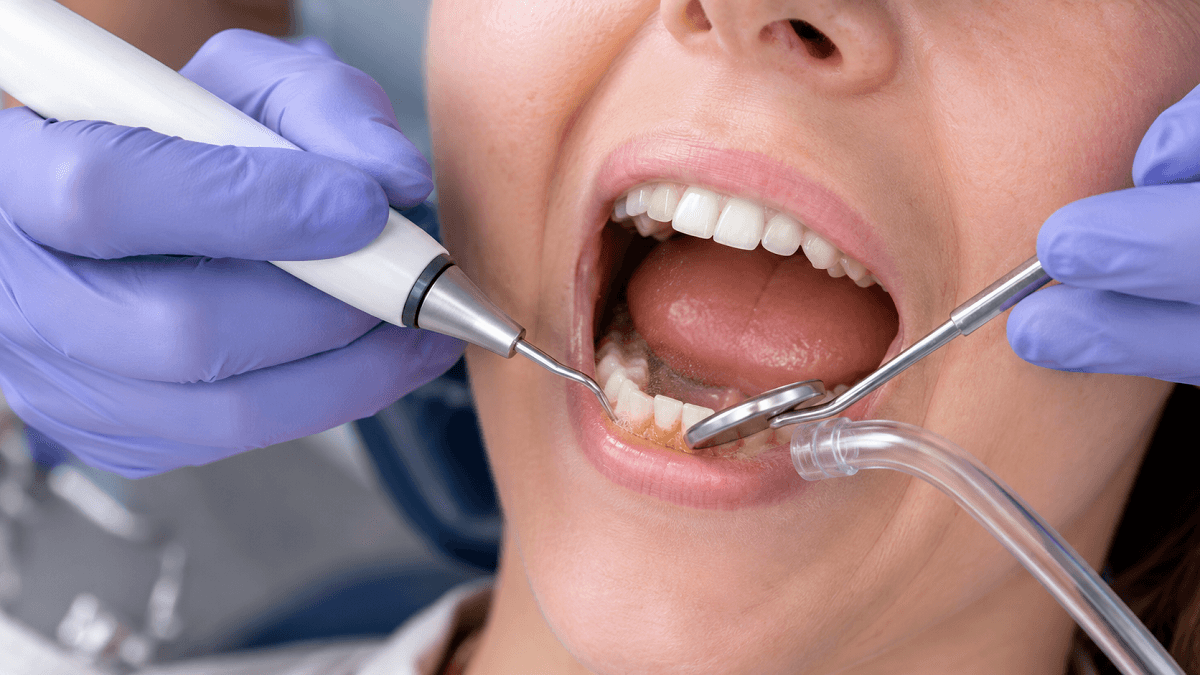
Professional tartar removal usually begins with an oral examination. The dentist or hygienist checks tooth surfaces, gum condition, bleeding, pocket depth when needed, restorations, and areas where calculus tends to return. A routine cleaning may include ultrasonic scaling, hand scaling, polishing, flossing, and personalized home-care advice. Ultrasonic instruments use vibration and water spray to break up deposits. Hand instruments help refine small areas, especially around the gumline or between teeth. Polishing can remove surface stains and leave teeth feeling smoother.
For patients with deeper gum pockets or subgingival tartar, a routine cleaning may not be enough. Scaling and root planing, often called deep cleaning, may be recommended when gum disease is present. The ADA MouthHealthy page describes scaling and root planing as a deep cleaning below the gumline used to treat gum disease. Scaling removes plaque and tartar above and below the gumline, while root planing smooths tooth roots to help the gums heal and reattach more closely. This treatment can take more than one visit and may require local anesthetic.
Patients often ask whether dental cleaning hurts. Most routine ultrasonic cleanings are comfortable, especially when inflammation is mild. If gums are swollen, bleeding, or sensitive, the patient may feel pressure, vibration, or brief tenderness. Deep cleaning may feel more intense because it treats areas below the gumline, so anesthesia may be used. After cleaning, temporary sensitivity can occur, especially when heavy tartar has covered exposed root surfaces. This usually improves with gentle brushing, desensitizing toothpaste, and following the dentist's instructions.
Can You Remove Tartar at Home?
The safest answer is no: you should not try to scrape hardened tartar at home. Tartar on Teeth cannot be fully removed with normal brushing once it has hardened. Sharp home tools may scratch enamel, cut gums, cause bleeding, or push bacteria deeper under the gumline. Online videos can make scraping look simple, but dentists and hygienists are trained to remove calculus while protecting enamel, roots, restorations, and soft tissue.
Home care still plays the biggest role in prevention. The goal is to remove plaque before it becomes tartar. Brush twice daily with fluoride toothpaste, spend two full minutes brushing, angle the bristles toward the gumline, and clean between teeth once a day with floss or interdental brushes. People with wider spaces, bridges, implants, braces, or crowded teeth may need interdental brushes, water flossers, or special floss threaders. A powered toothbrush may help some patients remove plaque more consistently, but technique still matters.
Tartar-control toothpaste may slow new calculus formation for some people, but it does not replace dental cleaning. Baking soda or vinegar should not be used as aggressive home treatment because frequent abrasive or acidic use can irritate gums or harm enamel. If you see visible hard deposits, the best plan is to schedule a cleaning, then ask the dental team to show where the buildup forms and how to clean that area daily.
Huangshan Dental Cleaning Benefits and Case Display
At Huangshan International Dental Hospital, dental cleaning is positioned as both preventive care and smile maintenance. For patients with visible tartar, the immediate benefits are usually a smoother tooth surface, a cleaner gumline, fresher breath, reduced stain, and better visibility for dental diagnosis. Cleaning also helps the dentist check for cavities, gum pockets, failing restorations, loose teeth, and early signs of periodontal disease. For international patients who come for veneers, implants, crowns, or whitening, cleaning is often a useful first step because it removes deposits and helps the clinical team evaluate the true gum condition.
Tartar Removal Before and After in Huangshan Dental
Case photo 1:
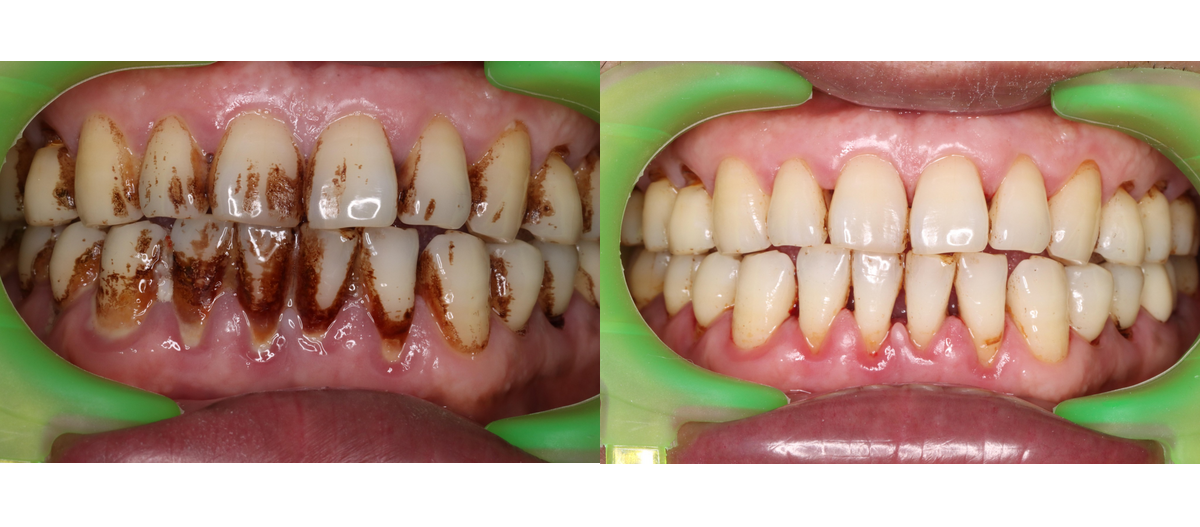
Case photo 2:
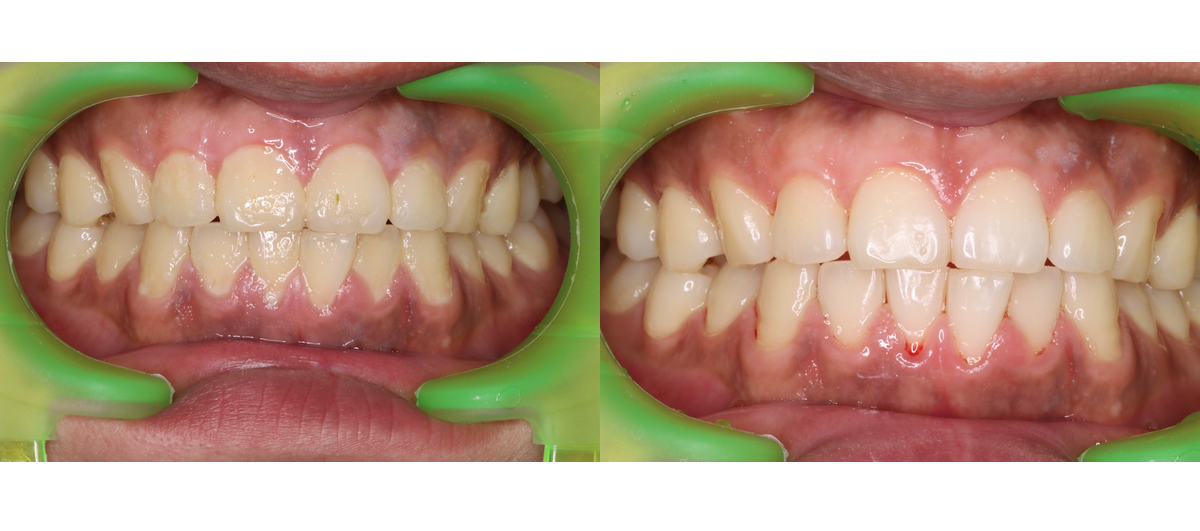
Dental Cleaning and Whitening Price in Huangshan Dental
| Service | Price | Advantages |
|---|---|---|
| Comfortable ultrasonic teeth cleaning | RMB 280 / approx. USD 42 | Removes plaque, tartar, and surface stains; helps reduce gum bleeding, bad breath, and calculus buildup. |
| In-office laser teeth whitening | RMB 999 / approx. USD 148 | Faster whitening option for stained or yellow teeth; suitable for patients who want a brighter smile in one visit. |
| Philips Zoom! Whitening | RMB 1,999 / approx. USD 297 | Premium whitening system with strong brightening effect; suitable for patients seeking a more noticeable cosmetic result. |
USD prices are approximate and may vary by exchange rate. Final treatment cost should be confirmed after clinical examination.
FAQ
What happens if tartar is not removed?
If tartar is not removed, more plaque can attach to its rough surface. This can irritate the gums, cause bleeding, worsen bad breath, and increase the risk of gingivitis. If inflammation progresses below the gumline, periodontitis and bone loss may occur. Early professional cleaning helps stop the cycle before damage becomes harder to manage.
What does tartar do to you?
Tartar can make teeth feel rough, look yellow or brown, trap stains, and support bacteria near the gumline. It may lead to swollen or bleeding gums and persistent bad breath. In advanced cases, tartar below the gumline may contribute to periodontal pockets, gum recession, loose teeth, and chewing discomfort.
How to remove tartar from teeth without dentist?
You cannot safely remove hardened tartar completely without a dentist or hygienist. At home, you can remove plaque before it hardens by brushing twice daily, cleaning between teeth, and using fluoride toothpaste. Avoid sharp scraping tools. If tartar is already visible or your gums bleed, book a professional cleaning.
Conclusion
Tartar on Teeth is common, but it should not be ignored. It begins as plaque, hardens into dental calculus, and can affect gum health, breath, comfort, and appearance. The safest treatment is professional scaling, followed by consistent plaque control at home. For patients considering cleaning, whitening, veneers, or implants, Huangshan Dental can use a dental examination to decide whether routine cleaning, deep cleaning, or another treatment is the right next step.
Disclaimer: This Huangshan Dental article is for informational purposes only and does not constitute medical advice, diagnosis, or a guaranteed treatment result. Always consult a qualified dentist for a personalized evaluation and follow your dental team’s specific instructions before and after treatment.