
What Does a Cavity Look Like? Signs & Treatment (2026)
On this page~9 min read
Key Takeaway
- A cavity may start as a white chalky patch, brown mark, black dot, rough pit, or thin dark line in a tooth groove.
- Early enamel mineral loss can sometimes be managed with fluoride and diet changes, but a true hole usually needs a filling.
- Pain is not a reliable early warning sign because enamel has no nerves; sensitivity often appears once decay reaches dentin.
- Treatment cost rises as decay becomes deeper: a small composite filling is usually simpler than root canal therapy, a crown, or extraction.
- Huangshan Dental's supplied 2026 reference price for a composite filling is RMB 260 per tooth, about US$39 using a recent USD/CNY reference rate.
Featured Answer: What Does a Cavity Look Like?
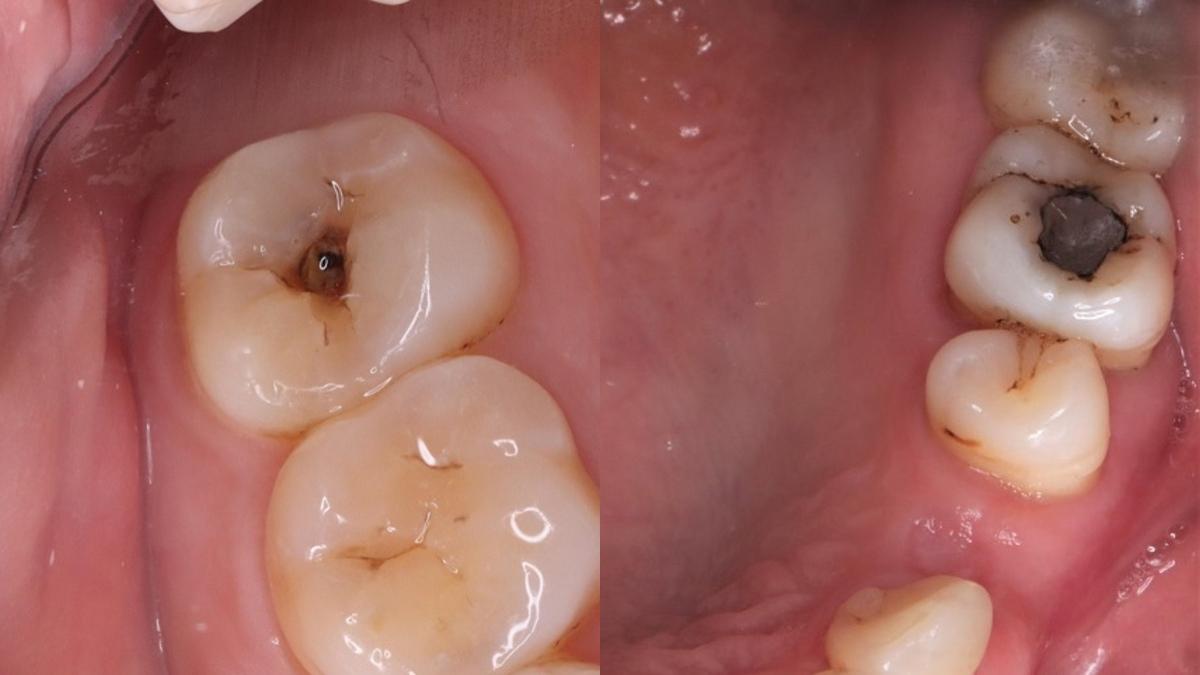
A cavity can look like a white chalky spot, a brown or black stain, a dark line in the grooves of a molar, a rough pit, or a visible hole. In the earliest stage it may not hurt or even look dramatic. As tooth decay moves through enamel into dentin, the area often becomes darker, rougher, more sensitive to sweet, cold, or hot foods, and more likely to trap food. Cavities between teeth may be invisible without dental X-rays, so a dentist should check any spot that keeps darkening, feels sticky or rough, or causes sensitivity.
What a Cavity Looks Like in Real Life
Many patients imagine a cavity as a large black hole, but tooth decay often begins much more quietly. Early decay may look like a dull white or chalky area where enamel has lost minerals. On a back tooth, it may appear as a thin brown or black line inside a chewing groove. Near the gumline, especially where gums have receded, decay may look yellow, brown, or darker than the surrounding tooth. A formed cavity can also feel rough when the tongue touches it, trap food repeatedly, or appear as a small pit. The National Institute of Dental and Craniofacial Research notes that tooth decay signs can include white, brown, or black staining, and more advanced decay may form a hole. The Mayo Clinic similarly lists visible holes or pits, brown, black, or white staining, tooth sensitivity, and pain when biting as possible symptoms. However, appearance alone is not enough to diagnose a cavity. Some harmless stains are dark, while some active cavities hide between teeth or under old filling edges. A single spot that is getting darker, feels sticky, or reacts to sugar and temperature deserves a dental exam.
Why Cavities Are Easy to Miss
Cavities are easy to miss because enamel, the hard outer tooth layer, has no nerves. In the first stage, the tooth may not hurt at all. A patient may see only a faint white spot or a small dark mark and assume it is a stain. Decay also commonly starts in places that are hard to see: between teeth, under plaque near the gumline, inside deep pits on molars, or around older restorations. The CDC explains that cavities tend to cause pain and sensitivity as they get bigger, especially when they are close to the nerve. That means waiting for pain can allow the problem to become deeper and more expensive to treat. Dental X-rays and tactile examination help dentists distinguish early mineral loss, stain, tartar, cracks, and active decay. Early checks are especially important for patients who snack frequently, sip sweet drinks, have dry mouth, wear orthodontic appliances, have crowded teeth, or have older fillings with gaps at the edges.
The Four Stages of Tooth Decay
Stage one is enamel demineralization. Acid from plaque bacteria removes minerals from enamel, leaving a white chalky patch or sometimes a darker groove line. At this stage, there may be no hole, and fluoride, improved cleaning, reduced sugar frequency, and professional monitoring may help stop or reverse the process. Stage two is enamel breakdown. Once the surface collapses into a small hole, the tooth structure will not grow back on its own. A dentist usually removes the softened decay and restores the tooth with a filling, commonly tooth-colored composite resin. Stage three is dentin decay. Dentin is softer than enamel, so decay can spread faster once it passes the enamel boundary. Sensitivity to cold, sweets, or biting pressure becomes more common. Treatment may still be a filling, but larger damage may need an inlay, onlay, or crown. Stage four is pulp involvement. The pulp contains nerves and blood vessels, so infection can cause lingering pain, spontaneous throbbing, night pain, swelling, or a bad taste. At this point, Mayo Clinic guidance describes root canal treatment as a way to repair and save a badly damaged or infected tooth by removing diseased pulp and sealing the canal. If a tooth is cracked badly or cannot be restored, extraction may be required.
Cavity Treatment Options
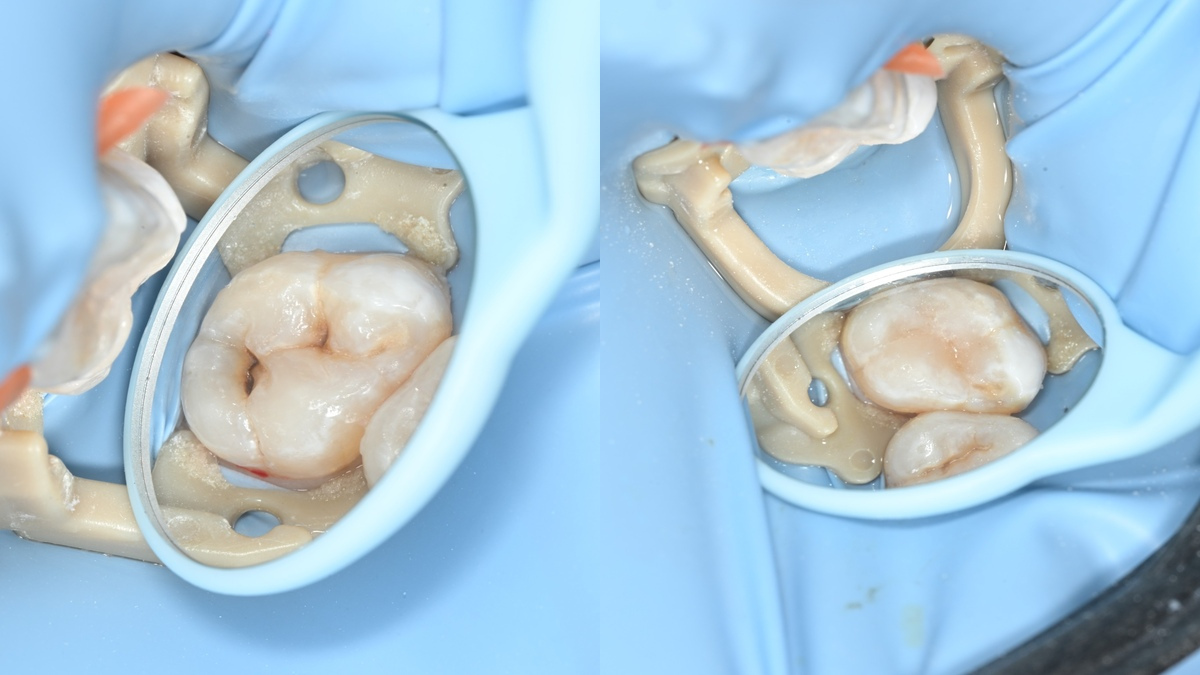
Treatment depends on depth, location, remaining tooth structure, and symptoms. Very early enamel changes may be managed with fluoride varnish, prescription-strength fluoride toothpaste, sealants for high-risk grooves, and changes to brushing and diet. Once a true cavity has formed, a filling is the usual conservative treatment. Composite resin is popular because it bonds to tooth structure and can match the tooth color. For larger cavities, the dentist may recommend an inlay, onlay, or crown to protect weakened cusps. If decay reaches the pulp, root canal treatment may be needed before the tooth is restored. If the infection is severe or the tooth is structurally hopeless, extraction and replacement options such as an implant, bridge, or denture may be discussed. The American Dental Association's 2023 treatment guideline also highlights that selective caries tissue removal can be effective in many moderate or advanced lesions when the remaining bacteria are sealed away from nutrients under a restoration. In plain language, modern cavity care is not always about drilling everything aggressively; it is about removing what must be removed, sealing the tooth well, and preserving healthy structure when clinically appropriate.
Huangshan Dental Filling and Root Canal Reference Prices
The prices below are taken from the supplied Huangshan Dental general treatment price image. They are reference prices only. Final treatment cost depends on examination findings, cavity depth, tooth position, number of surfaces, pulp condition, filling size, anesthesia needs, and the dentist's final plan. USD conversions are approximate and use a recent USD/CNY mid-market reference around 1 USD = 6.72-6.75 RMB.
| Dental service | RMB reference price | Approx. USD | Best for |
|---|---|---|---|
| Composite Filling (Per Tooth) | 260 | About US$39 | Small to medium cavities where the tooth can be restored with tooth-colored filling material. |
| Root canal treatment (single root, anterior tooth) | 999 | About US$148 | Front teeth where decay or infection has reached the pulp but the tooth can still be saved. |
| Root canal treatment (unlimited tooth position) | 1,680 | About US$249 | More complex root canal cases without tooth-position restriction. |
| Microscopic root canal treatment (single root, anterior tooth) | 1,580 | About US$234 | Anterior root canal cases where microscope-assisted treatment improves visibility and precision. |
| Microscopic root canal treatment (unlimited tooth position) | 2,100 | About US$311 | Complex or posterior root canal cases where magnification may help locate canals and manage anatomy. |
China vs Other Regions: Filling Price Comparison
International price comparisons should be interpreted carefully because dental systems, insurance rules, appointment length, materials, and public subsidies vary widely. The table below focuses on common composite or filling-related prices from publicly available sources and converts them to approximate USD for easier comparison. It does not include consultation fees, X-rays, emergency surcharges, multi-surface restoration upgrades, crowns, or insurance reimbursements unless the source price itself is a bundled public charge.
| Region | Reference filling price | Approx. USD | Notes |
|---|---|---|---|
| China - Huangshan Dental | RMB 260 per composite filling | About US$39 | From supplied Huangshan Dental price image; final cost requires clinical examination. |
| United States | Composite filling average about US$226; range US$173-US$439 | US$173-US$439 | CareCredit national composite filling estimate; price varies by tooth and depth. |
| United Kingdom - NHS England | Band 2 dental charge: GBP 76.60 | About US$104 | NHS Band 2 may include fillings, root canal treatment, extraction, and other listed items in a course of treatment. |
| United Kingdom - private | White composite filling often GBP 100-180 | About US$136-US$245 | Private back-tooth white fillings may be charged separately from NHS access. |
| Australia | White composite filling about AUD 160-450 | About US$113-US$318 | Private dental pricing varies by city, tooth, and surfaces treated. |
| Canada - Ontario reference | Composite filling about CAD 150-400+ | About US$107-US$287+ | Typical range varies by number of surfaces and provincial fee guides. |
How to Prevent Cavities
Prevention is usually simpler than treatment. Brush twice daily with fluoride toothpaste and clean between teeth every day, because toothbrush bristles do not reliably reach contact points between teeth. Limit the frequency of sugar exposure rather than focusing only on the total amount of sugar. Sipping sweet drinks over several hours gives bacteria repeated chances to produce acid. Water, especially fluoridated water where available, helps rinse the mouth and supports remineralization. Regular dental exams are important because a dentist can identify early enamel changes before they become painful. For children, teens, and adults with deep molar grooves, sealants can reduce the risk of pit-and-fissure decay. Patients with dry mouth, reflux, orthodontic appliances, gum recession, or a history of frequent cavities may need a more individualized prevention plan.
FAQ
How can I tell if it's a cavity or not?
You cannot confirm it reliably at home. A cavity may look like a white spot, brown mark, black dot, rough pit, or dark groove line, but stains and tartar can look similar. If the spot is growing, rough, sticky, trapping food, or sensitive to sweet, cold, heat, or biting, book a dental exam. X-rays may be needed for cavities between teeth.
Is a cavity a rotting tooth?
A cavity is an area of tooth decay where acids from bacteria have damaged enamel or dentin. People sometimes say the tooth is rotting, but dentists usually describe it as dental caries or tooth decay. Early mineral loss may be stopped; a true hole usually needs a filling.
Are cavities due to poor hygiene?
Poor hygiene raises the risk, but it is not the only cause. Cavities also relate to sugar frequency, dry mouth, tooth shape, fluoride exposure, gum recession, old fillings, medical conditions, and genetics. Even people who brush daily can get cavities if plaque remains between teeth or in deep grooves.
Disclaimer:
This Huangshan Dental article is for informational purposes only and does not constitute medical advice, diagnosis, or a guaranteed treatment result. Always consult a qualified dentist for a personalized evaluation and follow your dental team’s specific instructions before and after treatment.