

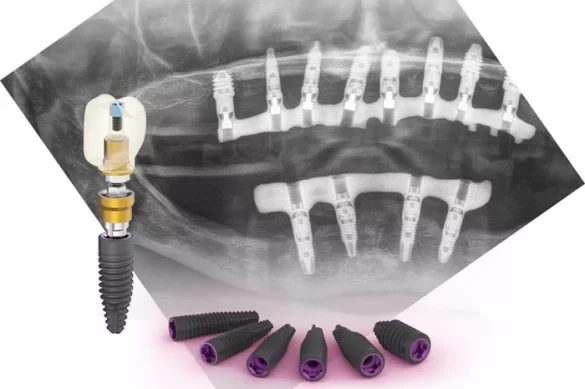
BTI Biotechnology Institute is a globally recognized leader in oral implantology and regenerative medicine. Established in 1999 by Dr. Eduardo Anitua, the company is headquartered in Spain and operates internationally with a multidisciplinary team exceeding 300 professionals. BTI focuses on continuous research, innovation, and education in biomedicine, particularly for dental solutions and gum disease management.
Their implant systems are renowned for precision engineering, clinical predictability, and cutting-edge regenerative therapies such as Plasma Rich in Growth Factors (PRGF-Endoret®), which promotes better healing and tissue integration. BTI’s progressive approach has positioned it as a top provider in the dental industry, particularly for patients seeking solutions for missing teeth, sensitive teeth, and other oral health challenges.
Why Choose BTI Biotechnology Institute?
Choosing a dental implant system is critical for anyone seeking long-term health and aesthetics. Here’s why BTI Biotechnology Institute stands out:
Research-Driven: BTI invests heavily in dental research and development. Their solutions are rooted in scientific evidence and clinical trials, ensuring optimal outcomes for patients with various conditions including gum disease and sensitive teeth.
Versatile Implant Portfolio: BTI offers an extensive range of implant sizes and configurations, addressing diverse anatomical needs and bone conditions. From mini implants for narrow spaces to robust designs for advanced cases, every product is engineered for clinical flexibility.
Innovation in Regenerative Medicine: Proprietary Endoret® (PRGF®) technology accelerates healing, improves tissue regeneration, and fosters superior osseointegration, which is vital for patients with sensitive or previously diseased gums.
International Reputation & Training: BTI’s training programs equip dental professionals worldwide with advanced skills, ensuring the highest standards of implant placement and care.
Safety & Biocompatibility: Every component is designed for maximum biocompatibility, minimizing the risk of infection or allergies.
Types of BTI Biotechnology Institute Implants and Their Applications
BTI offers a comprehensive range of implant types, each catering to different clinical situations, oral health conditions, and patient needs:
CORE® Implants
Description: Designed for versatility, the CORE line features implants of varying diameters (3.75mm to 4.75mm) and lengths (as short as 4.5mm).
Applications: Suitable for most standard implant treatments, CORE implants are ideal for routine single- or multi-tooth replacements and cases with standard bone volume.
Short and Extra-Short Implants
Description: Implants as short as 4.5mm in length.
Applications: Best suited for patients with limited vertical bone height, reducing the need for complex bone grafting procedures. These are effective for atrophic jaws and sinus lift avoidance.
Narrow Implants (Tiny Implants)
Description: Starting at diameters as small as 2.5mm-3.0mm.
Applications: Perfect for treating narrow alveolar ridges, particularly in areas like the lower front teeth. Suitable for patients with reduced bone volume or when minimal bone augmentation is preferred.
Specialized Prosthetic Platforms
Description: BTI provides both Externa® and Interna® platforms, allowing clinicians to match the implant to the precise functional and esthetic demand of each clinical scenario.
Applications: Customizable connections ensure stable prosthetic attachment for single crowns, bridges, or even full-arch solutions.
UnicCa® Surface Technology
Description: All BTI implants feature a surface patented as UnicCa®, which is chemically modified with calcium ions and triple roughness to maximize osseointegration.
Applications: Promotes faster healing, better primary stability, and long-term success even in patients with sensitive teeth or a history of gum disease.
How Much Do BTI Biotechnology Institute Dental Implants Cost?
The cost of BTI dental implants can vary significantly due to:
Implant Type: Standard, short, or mini implants differ in price.
Case Complexity: Procedures requiring bone grafting, sinus lifts, or extensive planning may incur additional costs.
Geographical Region: Fees differ based on country, city, and clinic standards.
Abutments and Prosthetics: Additional components like abutments may range in cost (external and internal hex abutments listed as low as $189.99 each in some US catalogs).
Estimated Price Range (Per Implant):
United States/Canada: $2,500–$4,000 per implant site, including surgery, component, and restoration.
Europe/UK: €1,500–€3,000 per implant site.
These are estimated ranges and patients should seek a personalized quote based on their diagnosis and treatment plan.
Material of BTI Biotechnology Institute Dental Implants
BTI implants are manufactured from medical-grade titanium, renowned for its exceptional strength, resilience, and high biocompatibility. Titanium’s properties ensure that implants withstand biting forces and function like natural tooth roots while minimizing the risk of allergic reaction.
Key Features:
UnicCa® Surface: Surface treated with calcium ions to enhance bone integration and initial stability. This treatment promotes a wet surface appearance and supports cellular attachment.
High Purity & Precision Machining: Each implant undergoes rigorous quality control to ensure:
- Optimum chemical composition
- Mechanical reliability
- Microstructural integrity
- Complete sterility
Prosthetic Platforms (abutments, screwed or cement-retained) are also titanium-based, offering prosthetic versatility and mechanical compatibility, which is crucial for patients conscious of sensitive teeth or gum health.
Who Is a Candidate for BTI Biotechnology Institute Dental Implants?
BTI dental implants are suitable for a broad spectrum of patients who:
Have one or more missing teeth: Whether single, multiple, or complete loss.
Suffer from partial or total edentulism: Including those who need full-arch restorations.
Display adequate oral hygiene: Candidates should not have active, untreated gum disease. However, BTI’s implant system is particularly advantageous in managing previously compromised gums due to its biocompatibility and regenerative features.
Present with sensitive teeth: Implants can alleviate sensitivity and restore comfort for affected patients.
Possess sufficient bone: The vast range of BTI sizes and types means that bone quantity is less of a barrier; even patients with vertical or horizontal bone loss (atrophy) may benefit from minimally invasive short or narrow implants, avoiding major bone grafting surgeries.
Have completed growth: Typically, patients should be adults, as bone development must be finalized.
Non-smokers or controlled smokers: Smoking may impair healing and implant success, so cessation is advised.
Are medically stable: Chronic conditions (diabetes, osteoporosis) need evaluation and control before implant therapy is considered.
Not suitable for:
- Patients with uncontrolled systemic diseases
- Pregnant women (implant placement is usually postponed)
- Individuals with active oral infections or untreated gum disease
Clinical Benefits of BTI Biotechnology Institute Implants
BTI implants provide several clinical advantages for both dental professionals and patients:
High Success Rates: Clinical studies report survival rates exceeding 96%–99% over five years, positioning BTI among the top performers globally.
Rapid Osseointegration: The unique UnicCa® surface accelerates bone attachment, reducing healing times and enabling faster function for patients.
Regenerative Approach: Use of plasma-rich in growth factors (PRGF) encourages superior soft and hard tissue regeneration and integration, lowering the risk of implant failure and peri-implantitis (implant-related gum disease).
Minimally Invasive Solutions: Short and narrow implant lines make it possible to treat severe bone loss without invasive grafting, benefiting elderly or medically compromised patients.
Improved Aesthetics & Function: Implants are designed for high esthetic outcomes and precision fit, addressing even challenging cases like sensitive teeth and receding gums.
BioBlock® Seal: Patented connection design ensures a hermetic seal, preventing microleakage and bacterial contamination, thereby reducing inflammation and long-term risks.
Flexible Prosthetic Options: Interna® and Externa® connections allow for adaptable restorative choices, from single crowns to complex bridges and full arches.
FAQs
Are BTI implants safe for patients with a history of gum disease?
Yes, provided their gum disease is treated and stabilized. The advanced surface technology and regenerative protocols of BTI implants are especially beneficial for promoting soft tissue health and preventing recurrence.
How long do BTI Implants last?
BTI implants are designed for longevity. Clinical studies suggest survival rates over 96% at five years, with many cases lasting a lifetime when properly maintained.
How soon can I get my final restoration?
Healing times vary based on individual bone quality, implant type, and overall oral health. The UnicCa® surface helps shorten integration periods, sometimes enabling restoration in as little as 6–12 weeks.
Conclusion
BTI Biotechnology Institute stands at the forefront of dental implantology and regenerative medicine. Their comprehensive range of implants, commitment to research, and innovative treatment options make them a trustworthy choice for clinicians and patients alike.
From patients with single missing teeth to those with severe bone or gum issues, BTI’s solutions provide reliable, safe, and esthetic outcomes. Their advanced materials and technologies address key concerns such as gum disease, sensitive teeth, and bone resorption, while offering flexibility and predictability to practitioners.
