


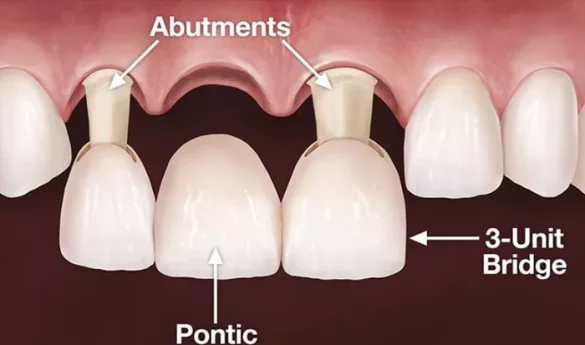
A dental bridge is a long-term restorative solution. It replaces missing teeth and restores chewing ability. It restores appearance. It supports oral function. Many patients worry when a bridge feels loose or begins to shift. They may fear it needs to be completely replaced. They may worry about high costs. They may feel unsure about what steps to take. However, a loose or failing bridge does not always require a new prosthesis. In many cases, a dentist can remove the dental bridge and recement it safely. This depends on the condition of the teeth, the condition of the cement, and the structural stability of the bridge.
This article explains when removal and recementing are possible. It describes clinical steps. It outlines signs that recementing may work. It explains when a new bridge is required.
What a Dental Bridge Is and How It Functions
A dental bridge replaces one or more missing teeth. It attaches to natural teeth or dental implants. It uses crowns, wings, or frameworks for support. A traditional bridge uses crowns over abutment teeth. A cantilever bridge uses one abutment. A Maryland bridge uses metal or ceramic wings bonded to the back of adjacent teeth. All types rely on strong bonding. Cement maintains retention. Structural stability allows long-term function.
Cement acts as a bonding agent. It adheres the bridge to the teeth. Over time cement may weaken. It may dissolve due to saliva. It may fail due to bite pressure or decay. When the cement fails, the bridge may loosen. When the underlying teeth weaken, the bridge also loses stability. Removal and recementing may be possible when the structure remains sound.
Reasons a Dental Bridge May Become Loose
Cement Dissolution or Breakdown
Cement can degrade. Saliva can penetrate the margins. Temperature changes can stress the material. Acidic foods can weaken bonding. Normal wear can erode the cement. When cement dissolves, the bridge lifts slightly. This can cause rocking or movement. This makes the bridge feel unstable.
Decay in Abutment Teeth
Decay can form under a bridge. Bacteria may enter through micro-gaps. Poor hygiene increases this risk. Decay weakens the foundation. It reduces the ability of the tooth to support the bridge. Removal becomes necessary to treat the decay. Recementing is sometimes possible after treatment. In other cases a new bridge is required.
Trauma or Bite Pressure
Sudden trauma may dislodge a bridge. Grinding can also apply excessive force. A high bite may overload the cement. These forces break the seal. They allow movement. Removal and recementing may be possible if damage is minimal.
Wear of the Bridge Structure
Metal and porcelain can wear. Excessive wear may cause misfit. Small changes in structure may allow a bridge to loosen. If the fit is still acceptable, recementing may help. If the structure is compromised, a new bridge is needed.
Can a Dental Bridge Be Removed Without Damage?
A dentist can remove a dental bridge safely. Special tools allow controlled removal. A patient should never attempt removal at home. At-home attempts can fracture teeth. They can cause soft tissue injury. They can damage the bridge. They can cause severe pain. Dentists use techniques that protect the abutments. The goal is safe retrieval without unnecessary harm.
Professional Tools for Bridge Removal
Dentists use vibration-based instruments. They use crown removers. They use bridge spreaders. They apply controlled pressure. These tools break the cement seal. They allow the bridge to lift off the teeth. In many cases the bridge remains intact.
When Damage Is Likely
Damage may occur if decay is extensive. Teeth may fracture if they are too weak. Bridges may break if thin or old. Removal is riskier in these cases. A dentist evaluates all factors before removal. They inform the patient of risks. They consider whether recementing is possible after removal.
When Recementing a Dental Bridge Is Possible
Abutment Teeth Are Healthy
Healthy abutment teeth allow recementing. The dentist checks for decay. The dentist checks for cracks. The dentist checks for gum disease. If teeth are strong, the bridge can usually be recemented.
The Bridge Is Intact and Fits Properly
The bridge must not be fractured. The porcelain must not be broken. The framework must not be distorted. The crowns must still fit the abutments well. If the fit is secure, recementing works well.
The Loosening Is Due to Cement Failure
If the original cement dissolved or failed, recementing is likely possible. Cement failure alone does not require a new bridge.
A dentist cleans the old cement. They treat the abutments. They recement the bridge with stronger bonding materials.
The Bite Relationship Is Correct
A bridge must align properly. If bite forces are balanced, recementing is safe. If the bite is high, the dentist may adjust it. Proper bite balance improves long-term results.
When a Bridge Cannot Be Recemented
Severe Decay in Supporting Teeth
If decay is extensive, the teeth may not support a bridge. Decay may require root canal treatment. Decay may require crowns. Severe decay may require extraction. In such cases the existing bridge cannot be recemented.
Structural Damage to the Bridge
A cracked bridge cannot be recemented. A bent framework cannot be recemented. Poor margins prevent proper sealing.
Damage to internal surfaces affects bonding. A new bridge is required for long-term success.
Gum Disease Affecting Stability
Advanced gum disease loosens teeth. Teeth lose bone support. A loose abutment tooth cannot support a bridge.
Recementing will fail. Gum treatment is required first. After healing, alternative treatment may be needed.
Ill-Fitting Bridge Design
Some bridges never fit properly. They may have poor margins. They may have design flaws. They may rock or tilt. These bridges cannot be recemented successfully. A new, well-designed bridge is required.
How Dentists Remove and Recement a Dental Bridge
Recementing is a structured clinical process. Each step ensures safety. Each step restores long-term function.
Step 1: Clinical Examination
The dentist examines the bridge. They assess gum health. They check for decay. They evaluate stability. They take X-rays if needed. They determine if removal and recementing are possible.
Step 2: Bridge Removal
The dentist uses vibration tools to loosen the cement. They insert a gentle wedge. They apply upward force carefully. The bridge detaches from the abutment teeth. The dentist inspects the removed bridge for cracks or wear.
Step 3: Cleaning the Abutment Teeth
The dentist removes all old cement. They clean the tooth surfaces. They treat any decay. They smooth the margins. They prepare the teeth for new cement. Proper preparation improves bonding.
Step 4: Cleaning the Bridge
Old cement must be fully removed from the bridge. The dentist sands the inside lightly. They inspect all surfaces. They check the fit on the teeth. If the fit is ideal, the bridge can proceed to recementing.
Step 5: Retying the Bridge
The dentist tries in the bridge. They check bite alignment. They check contact points. They check stability. If everything is correct, cementation can begin.
Step 6: Recementing the Bridge
The dentist applies new dental cement. They seat the bridge firmly. They remove excess cement. They allow the cement to set. The dentist verifies final bite. They give post-care instructions.
Types of Cement Used for Recementing
Glass Ionomer Cement
Glass ionomer forms a strong chemical bond. It releases fluoride. It helps prevent decay. It is used for many bridge recementations.
Resin-Modified Glass Ionomer Cement
This cement offers flexibility. It resists moisture. It bonds strongly. It is ideal for high-stress areas.
Resin Cement
Resin cement creates the strongest bond. It works well for bridges requiring maximum retention. It requires a clean and dry surface. It provides long-term stability.
How Long a Recemented Bridge Lasts
A recemented bridge can last many years. Some bridges last another decade. Longevity depends on tooth health. It depends on the cement used. It depends on oral hygiene. It depends on bite forces. With proper care, recemented bridges perform well.
Factors That Influence Longevity
Healthy gums improve outcomes. Strong abutment teeth improve outcomes. Low sugar diets help prevent decay. Regular dental visits detect problems early. Bite management reduces stress on the bridge.
Risks and Limitations of Recementing
Risk of Recurrent Loosening
A bridge may loosen again. This may happen if cement strength is insufficient. It may happen if bite forces remain high. It may happen if the teeth weaken over time.
Risk of Undetected Decay
Decay under a bridge may not be visible. X-rays help but cannot see all surfaces. If decay persists, the bridge may fail again. Early intervention reduces this risk.
Risk of Bridge Damage During Removal
Removal may fracture porcelain. Removal may distort the framework. This is uncommon with skilled dentists. The risk increases with older bridges.
How to Prevent a Bridge From Becoming Loose Again
Maintain Strong Oral Hygiene
Brush twice daily. Floss around the bridge. Use floss threaders. Use interdental brushes. Clean under pontics. Reduce bacterial load. This prevents decay under the bridge.
Address Bite Issues Early
If grinding occurs, wear a night guard. Reduce bite stress. Treat high spots. Balanced bite forces protect the bridge.
Attend Regular Dental Visits
Professional cleanings maintain gum health. Dentists check bridge stability. Early detection prevents severe issues.
Limit Hard Foods
Avoid chewing ice. Avoid biting bones. Avoid sticky candy. These foods can loosen the bridge. Gentle chewing prolongs bridge lifespan.
Cost of Recementing a Dental Bridge
Costs vary widely. They depend on location. They depend on materials. They depend on complexity. Recementing is usually far cheaper than replacing a bridge. Most clinics charge a modest fee. Insurance may cover part of the cost if medically necessary.
Conclusion
A dental bridge can often be removed and recemented. It is a safe and effective procedure. It works well when teeth remain strong. It works well when the bridge is intact. It works well when cement failure is the main issue. Dentists evaluate each case carefully. They determine if recementing is appropriate. They ensure that treatment is safe and stable.