


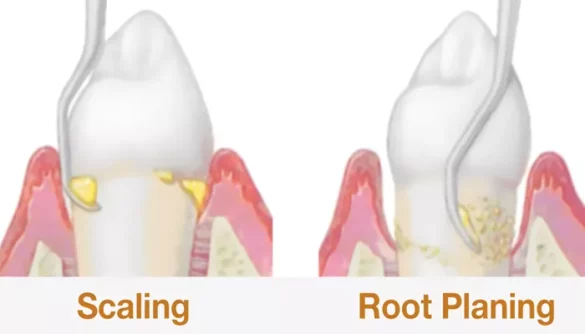
Scaling and root planing (SRP) is a non-surgical deep cleaning procedure performed to treat gum disease. It removes plaque and tartar from below the gumline and smoothens root surfaces to help gums reattach to the teeth. This is often the first line of treatment for chronic periodontitis and helps stop the progression of gum infections.
Why Is It Necessary?
When bacteria accumulate in plaque, they can cause inflammation and infection of the gum tissues. If left untreated, this may lead to bone loss and eventual tooth loss. SRP helps in managing the infection and promoting healing.
Can a General Dentist Perform Scaling and Root Planing?
Yes—Within Their Scope of Practice
General dentists are licensed and trained to perform scaling and root planing. It is part of routine dental care services, especially in the early or moderate stages of gum disease. General dentists play a vital role in identifying the signs of periodontal problems and initiating early treatment.
Referral to Periodontists for Complex Cases
While general dentists can handle many SRP procedures, they may refer patients to a periodontist—a gum specialist—for severe cases. If there’s advanced bone loss, deep periodontal pockets, or persistent gum infections, a specialist may be needed to offer more advanced therapies such as flap surgery or laser treatment.
How General Dentists Perform the Procedure
Step-by-Step Breakdown
The process generally involves two main steps:
Scaling: This involves removing plaque, calculus, and biofilm from the tooth surface and beneath the gumline using hand instruments or ultrasonic scalers.
Root Planing: The dentist smooths the root surfaces to discourage future bacterial attachment and support gum healing.
Use of Anesthesia
Depending on the extent of the gum disease, local anesthesia may be used to numb the area, making the procedure more comfortable for the patient.
Benefits of Scaling and Root Planing by General Dentists
Early Detection and Treatment
Because general dentists conduct routine checkups, they are in a prime position to detect the early signs of gum infections and begin SRP treatment before the disease progresses.
Cost-Effective
Seeing a general dentist for scaling and root planing can be more affordable than visiting a specialist. This is particularly beneficial for patients with mild to moderate gum disease.
Patient Comfort and Familiarity
Patients are often more comfortable seeing their regular dentist. Trust and familiarity can improve compliance with follow-up care and home hygiene practices.
When Is a Specialist Needed?
Advanced Periodontitis
In cases of severe gum infections, where deep pockets (greater than 6 mm) and significant bone loss are present, a general dentist may refer the patient to a periodontist.
Refractory Cases
If SRP by a general dentist does not result in improvement, referral for advanced diagnostics and treatment is essential.
Post-Treatment Care and Follow-Up
Importance of Maintenance
After SRP, maintaining oral hygiene is critical to prevent recurrence. Patients are advised to brush and floss daily and use antimicrobial mouth rinses as directed by the dentist.
Regular Periodontal Checkups
Frequent follow-ups (every 3 to 4 months) allow the dentist to monitor healing and remove any new plaque or tartar buildup.
Preventing Gum Disease
Daily Oral Hygiene
Effective brushing and flossing can prevent gum infections by removing plaque before it hardens. Using a soft-bristled toothbrush and fluoride toothpaste is recommended.
Routine Dental Visits
Seeing a general dentist every 6 months ensures early detection of issues. They can recommend SRP if early signs of gum disease appear.
Risk Factor Management
Patients should control diabetes, quit smoking, and manage stress to reduce the risk of developing or worsening periodontal disease.
FAQs
Is SRP Painful?
With proper anesthesia, the procedure is generally well tolerated. Some soreness may occur after treatment, which usually resolves in a few days.
How Long Does the Procedure Take?
It typically takes 1 to 2 hours per quadrant. Full-mouth SRP is often done in two sessions.
Does Insurance Cover SRP?
Many dental insurance plans cover SRP as a treatment for periodontal disease. Coverage may vary depending on the provider and policy.
The Importance of Choosing the Right Dental Professional
Qualifications Matter
Always ensure your general dentist is licensed and has experience in treating periodontal conditions. They should also use up-to-date tools and techniques.
Communication and Trust
A good dentist will explain the procedure, answer your questions, and provide follow-up care instructions. Trust builds long-term oral health success.
Conclusion
To answer the question—yes, a general dentist can perform scaling and root planing. They are often the first line of defense against gum infections and gum disease. For many patients, this is all that’s needed to restore gum health. However, in advanced cases, collaboration with a periodontist ensures the best outcomes. Regular visits to your general dentist, combined with excellent home care, are the keys to long-term periodontal health.