

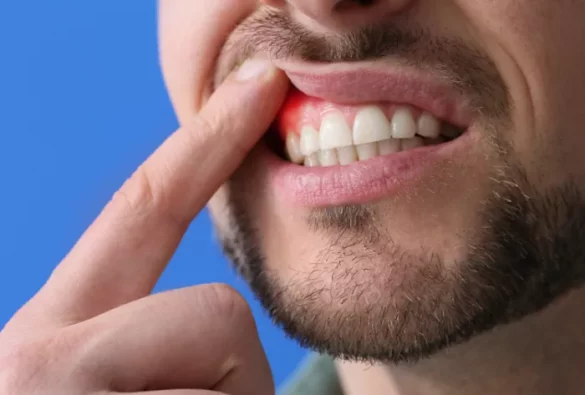
Gingivitis is an early stage of gum disease characterized by inflammation of the gums. It often causes redness, swelling, and bleeding during brushing or flossing. If untreated, gingivitis can progress to periodontitis, a more severe form of gum disease that can lead to tooth loss. Sensitive teeth can also result from gum recession caused by gum disease.
What Is Bactidol?
Bactidol is an antiseptic mouthwash widely used to reduce oral bacteria. It contains active ingredients that help control plaque buildup and bacterial growth in the mouth. Bactidol is primarily used for oral hygiene support, such as reducing bad breath and minor oral infections.
Active Ingredients and Their Role
The main active ingredients in Bactidol include chlorhexidine gluconate and cetylpyridinium chloride. These compounds have antibacterial and antiseptic properties that help kill or inhibit bacteria responsible for plaque formation and gum infections.
How Does Gingivitis Develop?
Gingivitis is usually caused by poor oral hygiene leading to plaque accumulation on the teeth. Plaque is a sticky film of bacteria that irritates the gums. This irritation triggers inflammation, which is the body’s natural response to infection or injury. Symptoms include gum sensitivity, bleeding gums, and bad breath.
The Importance of Early Treatment
When gingivitis is caught early, it is reversible with proper dental care. Brushing twice daily, flossing, and professional cleanings remove plaque and reduce gum inflammation. If left untreated, gingivitis can cause gum recession, exposing sensitive teeth roots and increasing the risk of tooth decay.
Can Bactidol Cure Gingivitis?
While Bactidol has antiseptic qualities, it is important to understand its role in gingivitis treatment. Bactidol can help reduce bacterial load in the mouth, which is a contributing factor to gingivitis. However, it cannot cure gingivitis by itself.
Bactidol as a Supportive Treatment
Bactidol mouthwash can support the treatment of gingivitis by lowering bacteria levels and minimizing plaque formation. It may reduce gum inflammation and bleeding temporarily. Nonetheless, it should be used alongside mechanical plaque control methods like brushing and flossing.
Limitations of Bactidol in Treating Gum Disease
Bactidol is not a standalone cure for gum disease. It does not remove plaque or tartar physically, which are key contributors to gingivitis. Without proper oral hygiene and dental cleanings, gingivitis may persist or worsen despite the use of antiseptic rinses.
Recommended Treatment Approach for Gingivitis
The best treatment for gingivitis involves a combination of daily oral care and professional dental interventions. Here are key steps:
Regular Brushing: Brush teeth at least twice a day using fluoride toothpaste.
Daily Flossing: Remove plaque between teeth where brushes cannot reach.
Professional Cleaning: Visit the dentist for plaque and tartar removal.
Antiseptic Mouthwash: Use Bactidol or similar rinses to reduce bacteria.
Address Sensitive Teeth: Use toothpaste designed for sensitive teeth if gum recession exposes roots.
When to See a Dentist
If symptoms of gingivitis persist despite home care and antiseptic rinses like Bactidol, see a dentist. Advanced gum disease may require specialized treatments such as scaling and root planing or even surgery in severe cases.
How to Use Bactidol Effectively for Gum Health
To maximize the benefits of Bactidol in managing gingivitis, follow these guidelines:
- Use the mouthwash after brushing and flossing for best results.
- Rinse with the recommended amount, usually 10-15 ml, for 30 seconds.
- Avoid eating or drinking for 30 minutes after use to allow the ingredients to work.
- Do not swallow the mouthwash.
- Use as directed by a dental professional or according to product instructions.
Possible Side Effects of Bactidol
Though generally safe, Bactidol may cause some side effects, including:
- Temporary staining of teeth or tongue
- Altered taste sensation
- Mouth irritation or dryness
- Allergic reactions (rare)
If side effects occur, discontinue use and consult your dentist.
Other Preventive Measures for Healthy Gums
Besides antiseptic rinses, maintaining healthy gums requires:
- Balanced diet rich in vitamins C and D
- Avoiding tobacco use
- Regular dental check-ups every 6 months
- Managing medical conditions like diabetes that can worsen gum disease
Conclusion
Bactidol helps reduce bacteria and supports gum health but cannot cure gingivitis alone. Proper oral hygiene, professional dental care, and possibly antiseptic rinses like Bactidol together help reverse gingivitis and prevent gum disease progression. Sensitive teeth caused by gum recession also need targeted care.
Early recognition and consistent care are key to controlling gingivitis and maintaining healthy gums. Bactidol is a helpful tool but must be combined with brushing, flossing, and dental visits for best outcomes. If you notice gum sensitivity, bleeding, or other signs of gum disease, consult your dental professional promptly.
