

Jaw asymmetry means that one side of your jaw is different in size or shape compared to the other side. This can cause the face to look uneven. Sometimes, it can lead to problems with chewing, speaking, or even pain. Jaw asymmetry can be mild or severe and may affect your confidence.
There are many causes for jaw asymmetry. It can result from genetics, injury, growth problems, or habits like chewing on one side only. Some people develop jaw asymmetry due to untreated dental issues such as gum disease or missing teeth that affect how the jaw grows.
How Braces Work and What They Can Fix
Braces are dental devices designed to move teeth into better positions. They work by applying gentle, continuous pressure over time. This pressure moves teeth through the bone and gums, improving alignment, bite, and appearance.
Braces can correct many dental problems such as crowded teeth, gaps, overbites, underbites, and crossbites. They are commonly used to fix malocclusion — a problem with how the upper and lower teeth fit together.
While braces primarily move teeth, they can sometimes influence jaw position in mild cases. For example, correcting an overbite or underbite with braces can improve how the jaws meet and reduce minor asymmetry. However, braces alone have limitations when the asymmetry comes from the jawbones themselves.
Can Braces Fix Jaw Asymmetry?
The simple answer: braces can help fix some forms of jaw asymmetry, but not all. It depends on the cause and severity of the asymmetry.
Mild to Moderate Jaw Asymmetry
If the jaw asymmetry is mainly due to how the teeth align or bite together, braces can often help. For example, if one side of the bite is shifted because teeth are crowded or positioned incorrectly, braces can move the teeth to balance the bite and improve the jaw’s function and appearance.
In children and teenagers whose jaws are still growing, orthodontic treatment with braces can sometimes guide jaw growth to reduce asymmetry. This may involve appliances in addition to braces that encourage the jaw to develop evenly.
Severe Jaw Asymmetry
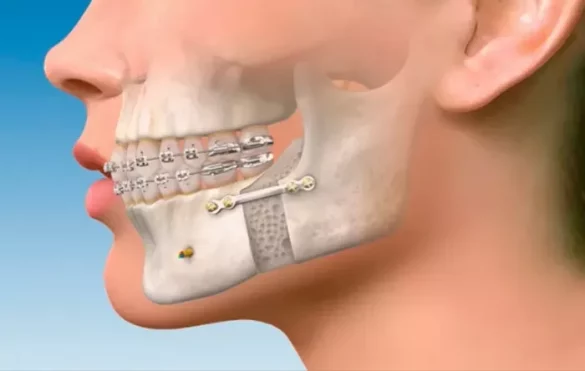
When jaw asymmetry is caused by differences in the size or shape of the jawbones themselves, braces alone usually cannot fix the problem. In these cases, the jawbones need to be repositioned surgically. This is called orthognathic surgery.
After surgery to correct the jaw position, braces are typically used to fine-tune the teeth alignment and bite. The combination of surgery and braces is often the most effective treatment for severe asymmetry.
Role of Orthodontics and Surgery Together
Many patients with jaw asymmetry need a combined approach. First, an orthodontist will place braces to align teeth before surgery. Then, a maxillofacial surgeon performs the jaw surgery to correct bone positions. Finally, braces continue post-surgery to perfect bite and alignment.
This teamwork ensures the best possible outcome for both function and appearance.
Early Detection and Treatment
Detecting jaw asymmetry early is very important. Children who show signs of uneven jaw growth should see an orthodontist as soon as possible. Early treatment can sometimes guide the jaw to grow more symmetrically and reduce the need for surgery later.
Regular dental visits help spot potential problems. Dentists check for signs like uneven bite, difficulty chewing, jaw pain, or teeth that do not line up properly. If jaw asymmetry is suspected, referral to an orthodontist or oral surgeon may be necessary.
Impact of Jaw Asymmetry on Oral Health
Jaw asymmetry can affect oral health in several ways. Uneven pressure on teeth can cause abnormal wear and tear. It may increase the risk of gum disease because misaligned teeth are harder to clean, allowing plaque and bacteria to build up.
Patients with jaw asymmetry may also experience sensitive teeth due to uneven forces or exposed root surfaces. Proper alignment helps distribute biting forces evenly, reducing tooth sensitivity and protecting the gums.
Common Dental Issues Related to Jaw Asymmetry
Besides cosmetic concerns, jaw asymmetry can cause functional problems such as:
- Difficulty chewing or biting
- Jaw joint pain or temporomandibular joint (TMJ) disorders
- Headaches caused by muscle strain
- Speech difficulties
- Increased risk of tooth decay due to hard-to-clean areas
These problems may worsen without treatment. Addressing jaw asymmetry can improve overall dental health and quality of life.
Types of Orthodontic Appliances Used
Besides traditional braces, other devices can support treatment of jaw asymmetry:
Expanders: Used to widen the upper jaw if it is too narrow.
Headgear: Helps guide jaw growth by applying external forces.
Functional appliances: Devices that reposition the jaw or encourage growth, often used in children.
Clear aligners: Sometimes used for mild cases, but limited in treating jaw asymmetry.
The orthodontist chooses the best appliances based on age, severity, and cause.
Maintaining Gum Health During Orthodontic Treatment
Wearing braces can make oral hygiene more challenging. Brackets and wires create places where food and plaque can accumulate, increasing the risk of gum disease. Proper brushing, flossing, and dental visits are essential.
Gum inflammation or disease during orthodontic treatment can slow progress and cause discomfort. Patients with sensitive teeth need gentle care to avoid pain while cleaning.
Your dentist or orthodontist can recommend special toothbrushes, floss threaders, and mouth rinses to keep gums healthy.
Common Concerns: Will Braces Hurt My Teeth?
Some patients worry that braces will damage or weaken their teeth. While braces apply pressure to move teeth, this is carefully controlled to be safe. However, teeth may feel sensitive or sore at times, especially after adjustments.
Good oral care reduces risks. Avoiding sugary foods and following your orthodontist’s instructions help prevent cavities or gum problems during treatment.
After Braces: Retainers and Long-Term Care
After braces are removed, retainers help keep teeth in their new positions. This is important to prevent relapse, where teeth or jaws slowly shift back.
Maintaining good gum health and addressing any ongoing jaw discomfort are vital. If jaw asymmetry was corrected surgically, follow-up care ensures stable, lasting results.
When to See a Specialist
If you notice any of the following, consult a dental professional:
- Visible facial asymmetry or uneven jawline
- Difficulty biting, chewing, or speaking
- Jaw pain or clicking sounds
- Teeth that do not meet properly
- Persistent gum inflammation or sensitivity during orthodontic treatment
Early evaluation by an orthodontist or oral surgeon helps create the best treatment plan.
Conclusion
Braces can correct jaw asymmetry if it is mainly related to teeth positioning and mild bite problems. In growing children, braces and orthodontic appliances can sometimes guide jaw growth to reduce asymmetry.
For more severe asymmetry caused by bone differences, braces alone are not enough. Surgery combined with orthodontic treatment is usually necessary for the best results.
Good dental hygiene, including managing gum disease and caring for sensitive teeth, supports successful treatment outcomes. Regular dental visits and early diagnosis improve chances for a healthier, balanced smile.
