


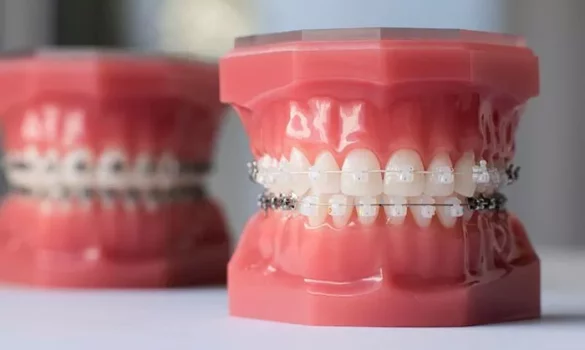
The phrase “really bad teeth” is often used to describe teeth that are severely misaligned, crowded, or damaged. It can also refer to teeth affected by decay, gum disease, or sensitivity. Before deciding if braces can fix these issues, it is important to understand the underlying dental conditions involved.
Common Issues Associated with Severe Dental Problems
Severe dental problems may include:
- Extreme crowding or crooked teeth
- Large gaps or spacing problems
- Malocclusion (bad bite), such as overbite, underbite, or crossbite
- Decay or cavities leading to weakened teeth
- Gum disease affecting gum and bone support
- Sensitivity caused by enamel wear or gum recession
Braces primarily address alignment and bite issues, but some problems require additional dental care.
How Braces Work to Correct Teeth Alignment
Braces apply gentle, continuous pressure to teeth over time. This pressure encourages teeth to move gradually into better positions. The movement happens as the bone around the teeth remodels, allowing for improved alignment and bite function.
Types of Braces and Their Applications
Different types of braces are used depending on the severity and nature of the dental problem:
Traditional metal braces: Strong and effective for severe misalignment.
Ceramic braces: Less visible but equally capable for many cases.
Lingual braces: Placed behind teeth, ideal for cosmetic preferences.
Clear aligners: Suitable for mild to moderate cases, less so for very severe issues.
Can Braces Fix Really Bad Teeth? The Scope and Limitations
Braces can correct a wide range of alignment and bite issues, but their effectiveness depends on the condition of the teeth and supporting tissues. For extremely damaged teeth or advanced gum disease, braces alone may not be enough.
When Braces Are Effective
- Correcting severe crowding or spacing
- Fixing overbite, underbite, crossbite, and open bite
- Improving overall bite function
- Aligning teeth to facilitate better oral hygiene and reduce gum disease risk
When Additional Treatment is Necessary
- Teeth with extensive decay may need fillings or crowns first
- Gum disease must be treated before orthodontic treatment
- Severe enamel erosion causing sensitive teeth requires dental care before braces
- Missing teeth might require implants or bridges in conjunction with braces
Addressing Sensitive Teeth During Orthodontic Treatment
Sensitive teeth are common during and before braces treatment. Moving teeth can cause temporary discomfort. Patients with pre-existing sensitivity may experience heightened symptoms. Proper dental care and communication with the orthodontist can help manage this sensitivity.
Tips for Managing Sensitivity
- Use toothpaste designed for sensitive teeth
- Avoid very hot or cold foods and drinks
- Maintain excellent oral hygiene to prevent gum disease and enamel erosion
- Report severe or prolonged pain to the orthodontist
Gum Disease and Braces: What You Should Know
Gum disease, or periodontitis, affects the gums and supporting bone. It can complicate orthodontic treatment because braces increase plaque accumulation risk if oral hygiene is poor.
Importance of Treating Gum Disease Before Braces
Active gum disease must be controlled before braces placement. Untreated gum disease can lead to bone loss, making teeth unstable and harder to move safely. A periodontist may be involved in the treatment plan.
Maintaining Gum Health During Orthodontic Treatment
- Brush carefully around brackets and wires
- Use interdental brushes or water flossers
- Attend regular dental cleanings and check-ups
- Follow the orthodontist’s hygiene instructions strictly
Pre-Treatment Considerations for Severe Cases
Patients with very bad teeth should undergo a thorough dental evaluation. This includes x-rays, gum health assessment, and possibly restorative work before starting braces.
Collaborative Treatment Plans
Orthodontists often work with general dentists, periodontists, and oral surgeons to create a comprehensive plan. For example, extractions may be necessary to create space, or implants might be planned after orthodontic alignment.
Realistic Expectations and Treatment Duration
Fixing really bad teeth with braces can take longer than typical cases. Treatment might last several years depending on complexity. Patience and compliance with dental advice are essential for the best results.
Benefits of Correcting Severe Dental Issues with Braces
Orthodontic treatment can significantly improve dental function and appearance. Benefits include:
- Improved bite and chewing efficiency
- Reduced risk of developing further gum disease
- Easier cleaning, which protects against cavities and sensitivity
- Enhanced self-confidence and smile aesthetics
Potential Risks and How to Minimize Them
Though braces are generally safe, some risks exist, especially in severe cases:
- Increased tooth sensitivity
- Possible root resorption (shortening of tooth roots)
- Gum inflammation if hygiene is poor
- Temporary discomfort or pain during adjustments
Close monitoring by dental professionals and excellent oral hygiene minimize these risks.
Alternatives or Complementary Treatments to Braces
In some cases, braces alone might not be enough. Alternatives include:
Dental crowns and veneers: For severely damaged or stained teeth
Dental implants: To replace missing teeth after alignment
Oral surgery: To correct jaw irregularities or remove impacted teeth
Clear aligners: For less severe misalignments or maintenance after braces
Conclusion
Braces are a powerful tool for correcting many dental problems, including severe misalignment and bite issues. However, truly “bad teeth” often require a combined approach involving dental restorations and gum disease treatment. Sensitive teeth and gum health must be managed carefully throughout the process. With proper planning, professional care, and patient cooperation, braces can significantly improve oral health, function, and appearance, even in challenging cases.