

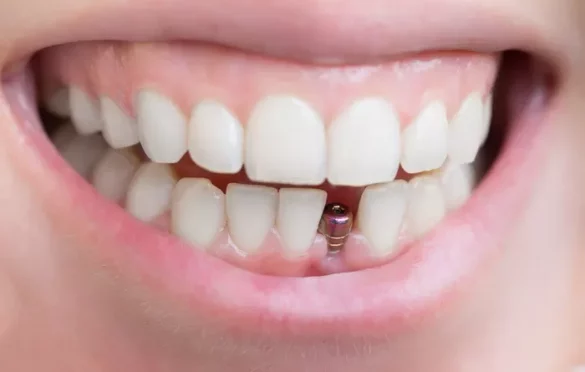
Dental implants are one of the most reliable solutions for missing teeth. They provide strength, stability, and a natural look. Many patients wonder if they can still receive an implant years after tooth extraction. A common question is whether getting an implant 2 years after extraction is possible. The answer is yes, but several factors must be considered, including bone health, gum condition, and the presence of oral diseases like gum disease. This detailed guide explains everything you need to know about dental implants after long-term tooth loss.
Understanding Dental Implants
A dental implant is a titanium post surgically placed into the jawbone to replace a missing tooth root. Once integrated with the bone, it can support a crown, bridge, or denture. Implants restore chewing ability, protect jawbone health, and improve appearance. They are highly durable and can last for decades with proper care. Patients often choose implants because they feel natural and function like real teeth.
What Happens After Tooth Extraction?
After a tooth is removed, the body begins a natural healing process. The gum tissue closes over the socket, and bone remodeling occurs. Over time, the bone where the tooth once was begins to shrink. This process is called bone resorption. In the first year, up to 25% of the bone width may be lost. Within two years, significant bone loss can occur, especially if the area is not stimulated. This bone shrinkage is one of the biggest concerns for implants after delayed placement.
Is It Possible to Get an Implant 2 Years After Extraction?
Yes, it is possible to get an implant 2 years after extraction. However, it may not be as simple as immediate implant placement. The condition of the jawbone is the key factor. If the bone has shrunk too much, additional procedures such as bone grafting or sinus lift may be required. The gums must also be healthy, and there should be no active infection or gum disease. With proper evaluation and preparation, implants can be successfully placed years after extraction.
Factors That Influence Implant Success After 2 Years
1. Bone Density and Volume
Bone density determines whether the implant can securely integrate. Two years after extraction, the bone may be thinner. A bone graft may be necessary to build enough volume to support the implant. Advanced imaging techniques such as CT scans are used to measure bone quality before surgery.
2. Gum Health
Healthy gums are essential for implant success. Gum disease can weaken the surrounding tissue and cause implant failure. Patients with a history of periodontal disease need to be carefully evaluated and treated before implant placement.
3. General Oral Hygiene
Patients must maintain good oral hygiene to prevent infection. Brushing, flossing, and professional cleanings protect the implant site. Sensitive teeth or untreated cavities should be managed before implant surgery to reduce risks.
4. Overall Health Conditions
Medical conditions like diabetes, osteoporosis, or smoking habits may slow healing. These factors must be discussed with the dentist to ensure safe and successful implant placement.
Bone Grafting Before Implant Placement
If bone loss is severe, bone grafting may be required. This procedure adds bone material to the jaw, helping to rebuild the structure. Bone grafts can come from natural sources or synthetic materials. Healing may take several months before an implant can be placed. Although this extends treatment time, it significantly improves implant stability and long-term success.
Sinus Lift for Upper Jaw Implants
When teeth in the upper back jaw are missing for several years, the sinus cavity may expand downward, reducing available bone. A sinus lift procedure raises the sinus membrane and places bone graft material beneath it. This creates enough bone height for a stable implant.
Immediate vs. Delayed Implants
Some implants are placed immediately after extraction, while others are delayed. Immediate implants reduce bone loss but require ideal conditions. Delayed implants, even after 2 years, can still be placed successfully with proper preparation. Each approach has benefits, and the dentist will recommend the best option depending on the case.
Risks of Waiting Too Long
Delaying implants for years can lead to complications. Bone resorption continues, and adjacent teeth may shift into the empty space. This can affect bite alignment and make implant placement more complex. Gum tissue changes may also occur, making it harder to achieve a natural appearance. While implants are still possible after 2 years, earlier treatment is generally easier and more predictable.
Steps to Getting an Implant After 2 Years
1. Consultation and Examination
The dentist performs a full examination, including X-rays and scans. They assess bone health, gum condition, and overall oral health.
2. Treatment Planning
A personalized treatment plan is created. If bone grafting is needed, it will be scheduled before implant surgery. Sensitive teeth or cavities may also be treated first.
3. Surgical Placement of the Implant
The implant is surgically inserted into the jawbone under local anesthesia or sedation. Healing usually takes a few months, allowing osseointegration to occur.
4. Abutment and Crown Placement
Once healing is complete, an abutment is attached to the implant. A custom-made crown is then placed, restoring function and aesthetics.
Benefits of Getting Implants After 2 Years
Even after years without a tooth, implants provide many benefits:
- Prevent further bone loss by stimulating the jawbone.
- Restore chewing and speaking ability.
- Improve appearance with natural-looking teeth.
- Protect surrounding teeth by maintaining alignment.
- Offer a long-lasting and reliable solution.
Alternatives to Implants
If implants are not possible due to bone loss or medical conditions, alternatives exist. Dental bridges or removable dentures may be considered. However, these options do not prevent bone loss and may require adjustments over time. Implants remain the gold standard when feasible.
Cost Considerations
The cost of implants after 2 years may be higher due to additional procedures like bone grafting. Prices vary by region and complexity. While initial costs are higher than bridges or dentures, implants last longer and reduce the need for replacements. Patients should discuss payment options and insurance coverage with their dental provider.
Post-Implant Care
Good oral hygiene is essential for implant longevity. Patients should brush twice daily, floss carefully around the implant, and schedule regular dental checkups. Those with sensitive teeth may use special toothpaste to ease discomfort. Avoiding smoking and controlling gum disease further protect the implant’s success.
When to Avoid Implants
Not everyone is a candidate for implants. Patients with uncontrolled diabetes, active gum disease, or insufficient bone who cannot undergo grafting may not qualify. A thorough medical and dental history helps identify risks before treatment.
Conclusion
It is possible to get an implant 2 years after extraction, but preparation is often needed. Bone loss, gum health, and overall medical conditions must be carefully assessed. With bone grafting and advanced surgical techniques, implants remain a strong option even after years without a tooth. Patients should consult with a qualified dentist or oral surgeon to determine the best approach for their individual case. Choosing dental implants provides long-term benefits for oral health, appearance, and overall quality of life.
