

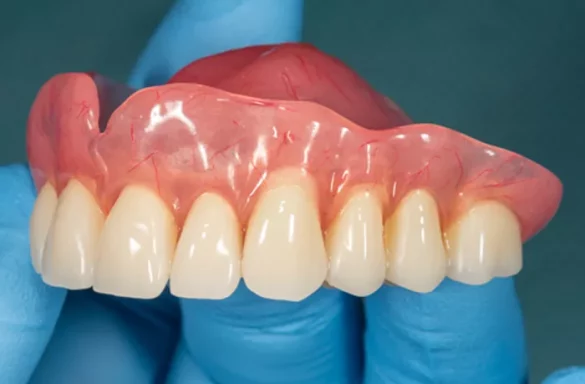
Full dentures are removable dental appliances designed to replace all missing teeth in the upper or lower jaw. They restore function and appearance, enabling patients to eat, speak, and smile confidently. Many people wonder if they can get full dentures on the NHS. This article explores eligibility, process, costs, and care to help you understand how to obtain dentures through the NHS.
Eligibility for NHS Full Dentures
The NHS provides dentures for patients who need complete tooth replacement due to tooth loss caused by decay, gum disease, or injury. Dentures may be considered if natural teeth are missing or cannot be restored. Eligibility depends on dental assessment and clinical need.
Assessment by a Dentist
To qualify for NHS dentures, you must first be assessed by an NHS dentist. The dentist will examine your oral health, review your dental history, and determine whether dentures are necessary. Factors include:
- The number of missing teeth.
- The condition of remaining teeth.
- The health of gums and jawbone.
- Presence of gum disease or sensitive teeth.
Medical Conditions
Some medical conditions may influence denture eligibility. Conditions like diabetes, osteoporosis, or severe gum disease can affect healing and denture fit. Your dentist will review your medical history before proceeding.
The NHS Full Denture Process
The process of obtaining full dentures on the NHS involves several steps, ensuring comfort, proper fit, and functionality.
Initial Consultation
Your first NHS dental appointment includes a detailed oral examination. The dentist will:
- Assess the gums for inflammation or gum disease.
- Examine sensitive teeth that may affect denture fit.
- Discuss treatment options and expected outcomes.
Impressions of the Mouth
After the consultation, your dentist will take impressions of your gums and jaw. This step creates a model of your mouth, allowing dentures to be custom-made for precise fit and comfort.
Wax Try-In
A wax model of your dentures is prepared for a trial fitting. This allows the dentist to adjust bite alignment and appearance before the final denture is made. The wax try-in helps prevent discomfort and improves overall satisfaction.
Final Denture Fitting
Once the dentures are ready, the dentist will fit them in your mouth, making adjustments as needed. Proper fit is essential to avoid sores, irritation, or difficulties eating. Patients may need multiple appointments for adjustments, especially if they have sensitive gums or remaining teeth.
Follow-Up Appointments
Follow-up appointments are crucial. Dentures may require further adjustments as gums and tissues adapt. Your dentist will check for:
- Comfort and fit.
- Functionality during chewing and speaking.
- Any pressure points causing irritation.
- Signs of gum disease or infection.
Costs and NHS Charges
NHS dentures are generally more affordable than private options. Charges are based on NHS dental bands:
NHS Band 1
Band 1 covers examination and advice but does not include dentures. It is the first step before denture treatment is planned.
NHS Band 2
Band 2 covers basic dental treatment, including fillings, extractions, and simple dentures. Partial dentures may be included if only some teeth are missing.
NHS Band 3
Band 3 covers complex procedures such as full dentures, crowns, or bridges. Full dentures usually fall under this band. Patients are advised to confirm exact charges with their dentist, as fees may vary by location.
Types of Full Dentures
There are several types of full dentures available on the NHS. Your dentist will recommend the most suitable type based on oral health and personal needs.
Conventional Full Dentures
Conventional dentures are made after all teeth have been removed and gums have healed. They offer a stable fit but may take several weeks to adjust to.
Immediate Dentures
Immediate dentures are fitted immediately after teeth extraction. They allow patients to avoid a gap during healing. Adjustments are often necessary as gums shrink during the healing process.
Upper vs. Lower Dentures
Upper dentures usually fit better due to suction from the palate, while lower dentures can be less stable because of limited surface area. Both types require proper care to avoid irritation and gum problems.
Tips for Successful Denture Use
Follow these guidelines to maximize comfort and oral health with full dentures:
Daily Cleaning
Clean dentures daily to remove food debris and bacteria. Brush your gums, tongue, and any remaining teeth to reduce risk of gum disease and bad breath.
Overnight Care
Remove dentures at night to give gums a rest. Soak them in water or denture solution to maintain shape and prevent drying.
Regular Check-Ups
Attend regular dental visits. Dentists can check for signs of gum disease, denture wear, or oral cancer. Prompt attention ensures long-term oral health.
Healthy Diet
Maintain a balanced diet to support gum health. Avoid very hard or sticky foods that may damage dentures. Adequate calcium and vitamins help maintain jawbone strength.
Handling Sensitive Teeth
If you have remaining natural teeth, use fluoride toothpaste and desensitizing products. Sensitive teeth can affect denture fit, so discuss any discomfort with your dentist.
Conclusion
Getting full dentures on the NHS is possible for patients who need complete tooth replacement. The process involves dental assessment, impressions, trial fittings, and follow-up adjustments. With proper care, hygiene, and regular dental visits, dentures can restore function, improve appearance, and support overall oral health. Paying attention to gum disease, sensitive teeth, and maintenance ensures a comfortable and lasting result. If you are considering full dentures, consult an NHS dentist to discuss your options, eligibility, and personalized care plan.
