


Cavities, also known as dental caries, are permanently damaged areas in the enamel that develop into small openings or holes. These occur when bacteria in the mouth feed on sugars, producing acid that erodes the protective enamel layer. The process begins subtly and progresses if not stopped early.
Stages of Tooth Decay
Tooth decay progresses through several stages. It starts with enamel demineralization and, if left untreated, moves to dentin involvement and eventually reaches the pulp. Early stages can be reversed, but advanced decay requires dental intervention.
Can Brushing Alone Get Rid of Cavities?
Brushing Reverses Early Demineralization
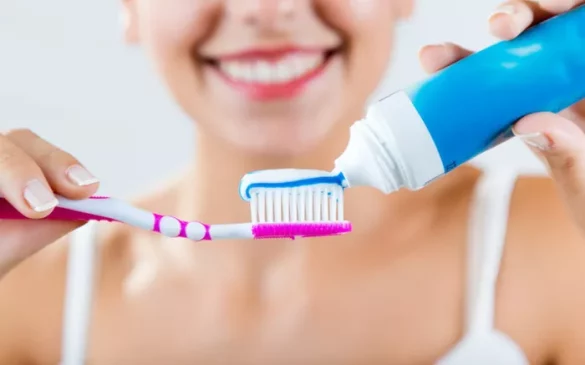
Brushing can help reverse the earliest stage of cavities — enamel demineralization. At this point, the enamel loses minerals due to acid attacks but has not yet formed a cavity. Brushing with fluoride toothpaste helps restore lost minerals, strengthening the enamel surface.
Why Brushing Can’t Heal Cavities That Have Formed
Once a cavity has broken through the enamel and created a hole, brushing alone cannot restore the lost structure. At this point, professional dental treatment, such as fillings, is necessary. Brushing may slow decay progression but cannot rebuild the tooth’s integrity.
How Brushing Helps Prevent and Manage Cavities
Removal of Plaque and Bacteria
Brushing twice a day effectively removes plaque — a sticky film of bacteria — from the teeth. Plaque is the main cause of acid production, which leads to cavities. Regular brushing prevents plaque buildup and keeps enamel intact.
Fluoride in Toothpaste Strengthens Enamel
Most toothpaste contains fluoride, a mineral that supports enamel remineralization. Fluoride helps reverse very early tooth decay and protects against future acid attacks. Using fluoride toothpaste is essential for anyone looking to reduce cavity risk.
Protecting Against Gum Disease
Brushing not only helps prevent cavities but also reduces the risk of gum disease. Gum disease is caused by plaque that irritates and inflames gum tissue. Healthy gums are essential for overall dental stability and comfort, particularly for individuals with sensitive teeth.
Best Brushing Techniques for Cavity Prevention
Brush Twice Daily for Two Minutes
The American Dental Association recommends brushing for two minutes, twice daily. This duration ensures all surfaces of each tooth are cleaned thoroughly, removing bacteria and food particles that fuel decay.
Use the Right Toothbrush
Soft-bristled brushes are ideal for effective cleaning without damaging enamel or irritating the gums. Electric toothbrushes with built-in timers and pressure sensors can improve technique and reduce brushing-related injury.
Proper Brushing Angle
Hold the toothbrush at a 45-degree angle to the gumline and use gentle, circular motions. This method allows the bristles to reach below the gumline and between teeth where plaque often hides.
The Role of Flossing in Cavity Prevention
Why Brushing Alone Isn’t Enough
Brushing cleans about 60% of tooth surfaces. The remaining 40% — the sides between teeth — must be cleaned with floss. Without flossing, plaque remains trapped in interdental areas, increasing the risk of decay and gum disease.
Floss Daily to Remove Hidden Debris
Flossing once daily removes food particles and plaque from between the teeth. For individuals with tight spaces or braces, interdental brushes or water flossers offer effective alternatives.
Importance of Mouthwash in Cavity Management
Fluoride Mouthwash Enhances Remineralization
Using a fluoride mouthwash provides additional protection against cavities. It coats the teeth in a fluoride-rich layer that strengthens enamel and supports the reversal of early decay.
Antibacterial Mouthwash Controls Plaque
Some mouthwashes contain antibacterial agents like chlorhexidine or cetylpyridinium chloride. These ingredients reduce the bacterial load in the mouth and lower the risk of cavities and gum inflammation.
Dietary Habits That Affect Cavities
Sugar and Acidic Food Consumption
Frequent consumption of sugary and acidic foods contributes significantly to cavity formation. Bacteria feed on sugar and produce acid, which erodes enamel. Acidic drinks like soda and citrus weaken enamel directly.
Tooth-Friendly Food Choices
Calcium-rich foods like dairy, leafy greens, and almonds help support strong teeth. Crunchy fruits and vegetables increase saliva production, which neutralizes acid and helps protect against decay. Drinking plenty of water also washes away food particles and acids.
Managing Sensitive Teeth Linked to Cavities
Sensitivity as a Sign of Decay
Sensitive teeth may indicate enamel erosion or exposed dentin caused by cavities. Brushing with desensitizing toothpaste can ease discomfort and support enamel repair in early stages of decay.
Treating the Cause
If sensitivity is due to decay, a dental examination is necessary. Brushing can manage symptoms, but a filling or other intervention is needed to address structural damage. Ignoring sensitivity may lead to more serious dental issues, including pulp infections and abscesses.
When Professional Dental Care Is Necessary
Detecting Cavities Early
Regular dental check-ups every six months allow for early detection of cavities. Dentists can spot demineralized areas before they become full-blown cavities and apply preventive treatments like fluoride varnish or sealants.
Minimally Invasive Treatments
In cases where decay is still in its early stages, dentists may use techniques like resin infiltration to halt progression. These treatments are painless and help preserve tooth structure. Once a cavity has formed, however, a filling is the only solution.
Fluoride Treatments and Sealants as Preventive Tools
In-Office Fluoride Applications
Fluoride treatments at the dentist’s office provide concentrated doses that help strengthen weak enamel. These are especially useful for individuals with a high risk of cavities or sensitive teeth.
Dental Sealants for Molars
Sealants are applied to the grooves of molars to prevent food and bacteria from settling in areas that are difficult to clean. Sealants are particularly effective in children but are increasingly used in adults with deep grooves or early signs of decay.
Misconceptions About Brushing and Cavities
Brushing Harder Isn’t Better
Some believe brushing aggressively will remove more plaque and reverse cavities. In reality, hard brushing damages enamel and gums. It can worsen tooth sensitivity and accelerate decay by thinning protective enamel layers.
Whitening Toothpaste Doesn’t Prevent Cavities
Whitening toothpaste focuses on removing surface stains and does not always contain adequate fluoride. Some formulations may be too abrasive, risking enamel damage. It’s important to use a toothpaste with cavity-fighting ingredients instead.
The Role of Saliva in Fighting Cavities
Natural Protective Mechanism
Saliva neutralizes acids and carries minerals that aid in enamel repair. Dry mouth, caused by medications or dehydration, increases the risk of decay. Brushing helps keep the mouth clean, but saliva plays a crucial complementary role.
Stimulating Saliva Production
Chewing sugar-free gum, especially those with xylitol, encourages saliva flow. Staying hydrated and avoiding alcohol-based mouthwashes also help maintain a healthy oral environment.
Conclusion
Brushing is one of the most important habits in preventing and managing tooth decay. While it can reverse the earliest stages of enamel damage, brushing alone cannot get rid of established cavities. Once decay progresses past a certain point, professional dental treatment is required. A complete oral care routine includes brushing, flossing, fluoride use, proper diet, and regular dental visits. For those with sensitive teeth or early signs of gum disease, it is especially important to maintain these practices and consult a dental professional when needed. Prevention remains the best strategy against cavities, and brushing is the first, but not the only, line of defense.