

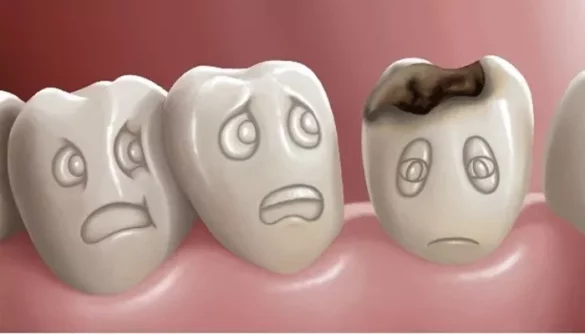
Tooth decay, also known as dental caries, occurs when bacteria in the mouth produce acids that erode the enamel and dentin of a tooth. If left untreated, decay can progress to the deeper layers of the tooth, potentially affecting the surrounding gums and causing pain.
The Role of Bacteria
Bacteria thrive on food particles, especially sugars, and release acids that attack the tooth surface. This can lead to cavities, which, if untreated, may cause inflammation and infection in nearby gum tissue.
Stages of Decay and Gum Involvement
Early tooth decay often affects only the enamel, producing minimal discomfort. However, as decay reaches the dentin or pulp, it can irritate the gums. Symptoms may include redness, swelling, and gum pain.
How Tooth Decay Leads to Gum Pain
Inflammation of the Gums
Decay near the gum line can allow bacteria to infiltrate the gingival tissue. The body responds with inflammation, causing soreness, tenderness, and in severe cases, bleeding during brushing or flossing.
Connection to Gum Disease
Persistent bacterial infection from untreated tooth decay can contribute to gum disease, including gingivitis and periodontitis. These conditions can worsen gum pain and potentially result in gum recession or tooth loss.
Development of Abscesses
Severe decay may lead to dental abscesses, localized pockets of pus at the root of a tooth. Abscesses often produce throbbing gum pain, swelling, and sometimes systemic symptoms like fever.
Symptoms of Gum Pain from Decay
Localized Pain and Tenderness
Pain is often concentrated near the decayed tooth and may increase when chewing or applying pressure.
Swelling and Redness
The affected gum tissue may appear red, swollen, and sensitive to touch, indicating inflammation and possible infection.
Tooth Sensitivity
As decay progresses, patients often report sensitive teeth to hot, cold, or sweet stimuli. This sensitivity can extend to the gums surrounding the affected tooth.
Preventing Gum Pain Caused by Decay
Maintain Proper Oral Hygiene
Brush twice daily with fluoride toothpaste and floss at least once a day. Proper hygiene helps prevent plaque accumulation, which is a major contributor to both tooth decay and gum disease.
Regular Dental Checkups
Visit your dentist every six months for routine checkups and cleanings. Early detection of decay can prevent progression and associated gum pain.
Healthy Diet Choices
Limit sugary snacks and drinks, as they promote bacterial growth. Incorporate foods rich in calcium and vitamins to strengthen teeth and gums.
Treatment Options for Gum Pain from Decay
Filling Cavities
If decay is detected early, filling cavities can restore tooth structure and prevent further gum irritation.
Root Canal Therapy
For decay that reaches the pulp, a root canal may be necessary. This procedure removes infected tissue, relieves pain, and protects the gums from further damage.
Gum Treatment
In cases where decay has contributed to gum disease, treatments such as professional cleaning, scaling, and root planing may be required to reduce inflammation and restore gum health.
When to See a Dentist
Seek immediate dental care if you experience persistent gum pain, swelling, or sensitivity. Early intervention can prevent complications like abscesses, advanced gum disease, and tooth loss.
Conclusion
In summary, tooth decay can indeed cause gum pain through inflammation, infection, and the development of sensitive teeth. Maintaining proper oral hygiene, regular dental visits, and timely treatment of cavities are essential to protecting both teeth and gums.
