


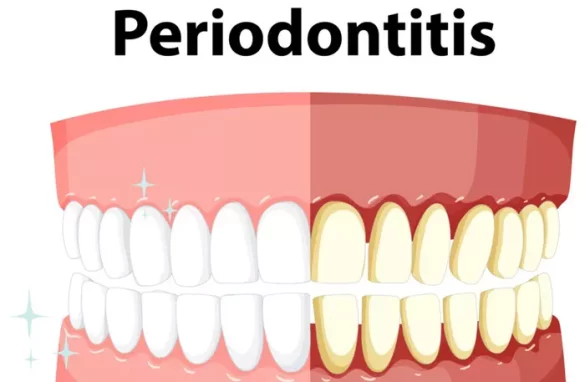
Pericoronitis is a dental condition that affects the gum tissue surrounding a partially erupted tooth, most commonly the lower third molars or wisdom teeth. It occurs when the gum tissue becomes inflamed and infected due to trapped food particles, bacteria, or trauma.
Who Is Most at Risk?
This condition typically affects young adults between the ages of 17 and 25. People undergoing wisdom tooth eruption are especially vulnerable. If oral hygiene is poor or if the gums are already affected by gum disease, the likelihood of pericoronitis increases.
Can You Treat Pericoronitis at Home?
The Short Answer
In mild cases, it is possible to manage the symptoms of pericoronitis at home. However, it is not advisable to rely entirely on home remedies if the condition becomes severe or recurrent. Ignoring serious symptoms may lead to complications, such as abscesses or systemic infection.
Why You Should Be Cautious
While home treatment may reduce pain and inflammation temporarily, it doesn’t remove the underlying cause. Dental infections can progress quickly, especially in tissues close to vital structures in the face and neck. Timely intervention from a dental professional is critical for full resolution.
Safe and Effective Home Remedies for Pericoronitis
1. Warm Saltwater Rinses
One of the easiest and most effective home treatments is rinsing with warm saltwater. This helps reduce inflammation and flush out trapped debris. Mix one teaspoon of salt in a cup of warm water and rinse gently 3–4 times a day.
2. Hydrogen Peroxide Dilution
Hydrogen peroxide has antibacterial properties. A diluted solution (equal parts 3% hydrogen peroxide and water) can help minimize bacterial load in the infected area. Swish the solution in your mouth for 30 seconds, then spit out. Do not swallow.
3. Over-the-Counter Pain Relievers
Ibuprofen or acetaminophen can relieve pain and reduce inflammation. Ibuprofen also helps reduce swelling and is preferred in most cases unless contraindicated.
4. Ice Packs
Applying an ice pack to the outside of your cheek can reduce swelling and numb pain. Use the pack in intervals of 15 minutes with breaks in between.
5. Oral Gels with Benzocaine
Numbing gels containing benzocaine can be applied directly to the affected gum. These are available over the counter and offer temporary relief from pain.
6. Good Oral Hygiene
Keep the mouth clean by brushing gently around the affected area. Use a soft-bristled toothbrush. While brushing might be uncomfortable, it is essential to remove food debris and bacteria.
7. Avoid Trigger Foods
Sticky, hard, or sharp foods can worsen the irritation. Avoid them until the inflammation subsides. Focus on soft, bland foods that are easy to chew and swallow.
Home Remedies That Should Be Avoided
Using Undiluted Essential Oils
Essential oils like clove or tea tree oil are often touted as natural remedies. However, applying them undiluted can irritate the gums and cause more harm than good.
Self-Medication with Antibiotics
Taking leftover or unprescribed antibiotics can be dangerous. It may mask symptoms or contribute to antibiotic resistance. Only use antibiotics under the guidance of a dentist or doctor.
When Home Treatment Is Not Enough
Signs That Require Professional Help
- Severe pain that doesn’t improve in a few days
- Swelling that spreads to the cheek or neck
- Fever or chills
- Difficulty swallowing or opening the mouth
- Pus or foul taste in the mouth
If you experience any of these symptoms, contact a dentist immediately.
Professional Treatments for Pericoronitis
Dental Cleaning and Debridement
A dentist may clean under the gum flap to remove food particles and bacteria. This helps reduce inflammation and allows the tissue to heal.
Prescription Medications
Antibiotics and painkillers may be prescribed to control infection and discomfort. Common antibiotics include amoxicillin and metronidazole.
Surgical Intervention
If the gum tissue repeatedly becomes infected, an operculectomy (removal of the gum flap) may be necessary. In some cases, the wisdom tooth may need to be extracted.
The Link Between Pericoronitis, Sensitive Teeth, and Gum Disease
How Pericoronitis Can Lead to Sensitive Teeth
As the gum tissue around a wisdom tooth becomes inflamed, nearby teeth may be affected. The roots of these teeth might become exposed, leading to sensitivity to cold, heat, or touch.
Risk of Developing Gum Disease
If pericoronitis is not treated properly, the infection may spread and contribute to gum disease. This can cause further gum recession, tooth mobility, and bone loss.
Preventing Pericoronitis at Home
1. Maintain Excellent Oral Hygiene
Brush twice a day and floss once daily. Use an antibacterial mouthwash to keep bacteria levels low, especially around partially erupted teeth.
2. Visit Your Dentist Regularly
Routine dental checkups help monitor wisdom tooth eruption. A dentist can provide guidance on whether extraction or other preventive care is needed.
3. Consider Removing Partially Erupted Wisdom Teeth
If the tooth cannot erupt fully or causes recurring infections, extraction is often the best option to prevent complications.
4. Use Interdental Cleaners
Special brushes or water flossers can help clean hard-to-reach areas around the molars where pericoronitis is likely to develop.
FAQs
Is it okay to ignore mild pericoronitis?
No. Even if symptoms are mild, ignoring them may lead to serious infections. Prompt care can prevent complications.
Can sensitive teeth worsen pericoronitis?
Yes. Sensitive teeth may indicate underlying issues such as enamel erosion or gum recession, which can make infections worse.
Is it safe to use mouthwash during pericoronitis?
Yes, but avoid alcohol-based mouthwashes as they can irritate the inflamed gum tissue. Choose a mild, alcohol-free antibacterial rinse.
Can children develop pericoronitis?
It is rare in children because it usually affects wisdom teeth, which erupt in late adolescence or early adulthood.
Conclusion
While you can treat mild pericoronitis symptoms at home using saltwater rinses, pain relievers, and good hygiene, it’s crucial to monitor your condition. Persistent or severe cases require professional dental care to avoid complications such as gum disease and sensitive teeth. Do not ignore your symptoms. Early intervention is key to preserving oral health.