


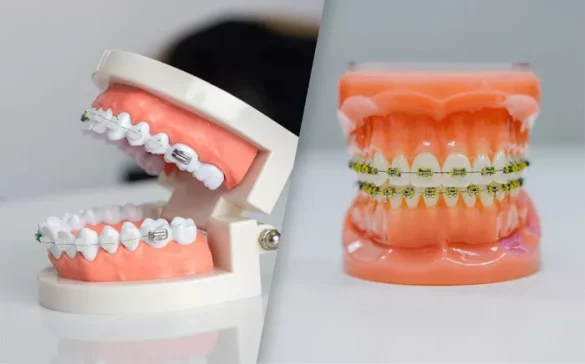
Orthodontic treatment has evolved over the years, offering patients more options than ever before. Among the most popular choices are ceramic braces and traditional metal braces. These braces serve the same purpose — aligning teeth, correcting bites, and enhancing dental health — but they differ in design, material, appearance, and most importantly, cost.
Choosing the right type of braces involves careful consideration of several factors, including aesthetics, comfort, durability, oral hygiene maintenance, and budget. In this article, we explore the cost difference between ceramic and metal braces, and how this decision could affect your dental well-being, especially concerning gum disease, sensitive teeth, and long-term dental health.
What Are Metal Braces?
Metal braces are the most common type of braces used in orthodontics. They consist of high-grade stainless steel brackets that are affixed to each tooth and connected with an archwire. Elastic ties help the archwire apply pressure to move teeth into proper alignment over time.
Metal braces are known for their strength and durability. They are often the first choice for complex orthodontic issues, such as severe overcrowding, bite misalignment, and jaw corrections. Their robust structure allows for precise control, which can result in shorter treatment times in some cases.
Pros of Metal Braces
- Strong and highly effective for complex cases
- Typically more affordable than ceramic options
- Lower risk of bracket breakage
- Orthodontists have extensive experience using them
Cons of Metal Braces
- Very visible, especially with silver-colored metal
- Can cause irritation to the gums and inner cheeks
- May contribute to sensitive teeth due to metal contact
What Are Ceramic Braces?
Ceramic braces are similar to metal braces in function and design but use clear or tooth-colored brackets that blend in with natural teeth. This makes them a more aesthetically pleasing choice, especially for teens and adults who prefer a discreet appearance.
The brackets are made from composite ceramic materials that are less noticeable but more brittle than metal. Although they can effectively treat a wide range of orthodontic issues, they may not be suitable for very severe cases.
Pros of Ceramic Braces
- Less visible and more aesthetically appealing
- Work similarly to metal braces for most orthodontic problems
- Preferred by adults and image-conscious patients
Cons of Ceramic Braces
- More expensive than metal braces
- Brackets can stain or discolor if not cleaned properly
- More prone to breaking or chipping
- May contribute to gum disease if proper hygiene is not maintained
Ceramic Vs Metal Braces: Which Costs More?
One of the most important considerations for patients is the cost of braces. While both ceramic and metal braces are effective, their prices differ significantly.
Average Cost of Metal Braces
The average cost of traditional metal braces ranges from $3,000 to $7,000, depending on the severity of the case, geographic location, and treatment duration.
Average Cost of Ceramic Braces
In comparison, ceramic braces typically cost between $4,000 and $8,500. The increased price is due to the more expensive materials and the additional expertise required to install and maintain them.
Why Are Ceramic Braces More Expensive?
Ceramic braces incur higher costs due to several reasons:
Material Quality: Ceramic brackets are more expensive to manufacture.
Aesthetic Value: They are less visible, which makes them more desirable.
Delicacy: More careful handling is required to prevent bracket damage.
Longer Adjustment Time: Orthodontists may spend more time fine-tuning ceramic braces.
All these factors contribute to the increased cost of ceramic braces compared to their metal counterparts.
Insurance Coverage and Payment Options
Orthodontic treatment is often partially covered by dental insurance plans. However, the level of coverage can vary. Metal braces are more likely to be fully or partially covered, while ceramic braces might have higher out-of-pocket costs due to their cosmetic nature.
Patients should also inquire about flexible spending accounts (FSAs), health savings accounts (HSAs), or orthodontic payment plans offered by dental offices to manage expenses.
Impact on Oral Hygiene and Dental Health
Regardless of the type, braces can impact your overall oral hygiene if not properly maintained. Both ceramic and metal braces create crevices that trap food particles and plaque, increasing the risk of gum disease and tooth decay.
Ceramic Braces and Oral Health
Due to their size and fragility, ceramic brackets may require more delicate cleaning. If plaque builds up around ceramic brackets, it may lead to inflamed gums and early stages of gum disease.
Metal Braces and Oral Health
Although easier to clean, metal braces can still cause oral irritation. Additionally, metal’s reaction to temperature changes can lead to sensitive teeth for some patients, especially when consuming hot or cold foods and beverages.
Aesthetic Preferences and Social Considerations
Many adults and teens prefer ceramic braces for aesthetic reasons. They are less visible and more socially acceptable in professional and public environments. However, this preference comes at a higher cost and potential for longer treatment times.
Metal braces are more noticeable but often lead to faster treatment and reduced maintenance costs. Patients with limited budgets or complex dental needs may prefer this option for practicality.
Durability and Maintenance
Durability is another important factor in the cost equation.
Metal Braces Durability
Metal braces are extremely durable and rarely break. They can handle greater pressure, which is ideal for complex tooth movements. They also require fewer repairs, reducing long-term costs.
Ceramic Braces Durability
Ceramic brackets are more brittle and susceptible to damage. If a ceramic bracket breaks, it must be replaced, which may incur additional costs. They also stain easily if exposed to colored beverages or tobacco.
Which Option Is Best for You?
Choosing between ceramic and metal braces should be based on your dental needs, budget, lifestyle, and cosmetic preferences. Consider the following:
Go with metal braces if you have a limited budget or complex alignment issues.
Choose ceramic braces if you prefer a discreet appearance and are willing to invest more.
Consult with your orthodontist to evaluate your suitability for each option.
Potential Dental Risks and How to Prevent Them
Braces of any kind increase the risk of certain dental issues. Proper hygiene and regular check-ups are essential.
Gum Disease
Food particles trapped in braces can lead to plaque buildup, which may cause gingivitis and gum disease. Use an interdental brush and floss daily to maintain gum health.
Sensitive Teeth
Pressure from braces, especially during adjustments, can lead to sensitive teeth. Use desensitizing toothpaste and avoid extremely hot or cold foods to manage this.
Tooth Decay
Failure to clean around brackets and wires can lead to cavities. Brushing after every meal and using fluoride toothpaste is critical.
Conclusion
The question, “Which is more expensive, ceramic or metal braces?” has a clear answer: ceramic braces are more expensive. However, the higher cost may be justified by the cosmetic appeal and comfort they offer. On the other hand, metal braces provide a durable, effective, and more affordable solution for most orthodontic needs.
When making your choice, consider not just the price, but also how the braces affect your lifestyle, confidence, and oral health. Always consult with a qualified orthodontist to determine which type of braces aligns best with your clinical needs and financial goals.