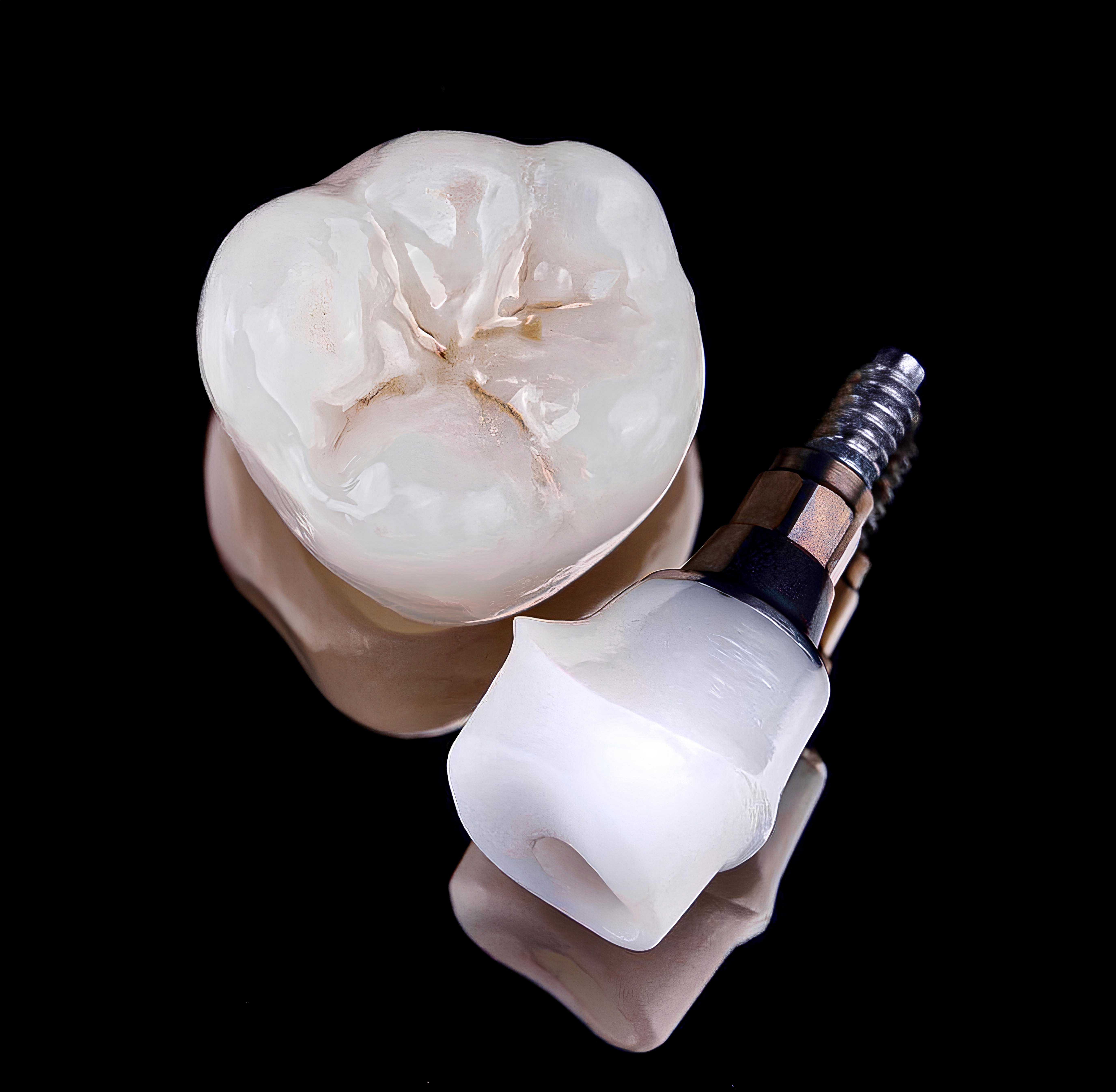
 When restoring dental implants, selecting the right cement is crucial for long-term success and patient satisfaction. The choice between permanent and temporary cements depends on multiple factors, including the type of restoration, retrievability, and patient-specific needs. Understanding the key differences between these cements can help clinicians make informed decisions that enhance both function and longevity., ,Permanent Implant Cement
Permanent cements are designed for long-term retention, ensuring a secure bond between the restoration and the implant abutment. These cements offer strong adhesion to resist dislodgement, low solubility to prevent breakdown over time, and durability for patients with high occlusal forces. There are multiple different types of permanent implant cements. Resin-based cements offer superior strength and resistance to moisture but may be difficult to remove. Glass ionomer cements (GICs) provide fluoride release but have lower bond strength compared to resin-based options. Zinc phosphate cements are a traditional choice with good mechanical properties but lacking in adhesive qualities., ,Temporary Implant Cement
Temporary cements are designed for cases where retrievability is necessary, making them ideal for provisional restorations or situations requiring future modifications. They typically feature lower bond strength for easy removal, short-term stability without excessive retention, and less risk of peri-implantitis by allowing excess cement removal more easily. There are multiple different types of temporary implant cements. Zinc oxide eugenol (ZOE) offers antibacterial properties but may interfere with some resin-based materials. Non-eugenol cements are preferred when resin bonding is planned for the final restoration. Resin-modified temporary cements provide slightly stronger retention than traditional temporary options while maintaining retrievability., ,Choosing the Right Cement for Your Patient
Choosing the right implant cement is an essential step in ensuring a successful and long-lasting restoration. While permanent cements provide superior retention for definitive restorations, temporary cements offer flexibility for future adjustments and lower the risk of excess cement complications. By carefully evaluating each patient’s clinical situation, dentists can select the most appropriate cement for optimal outcomes.,


