

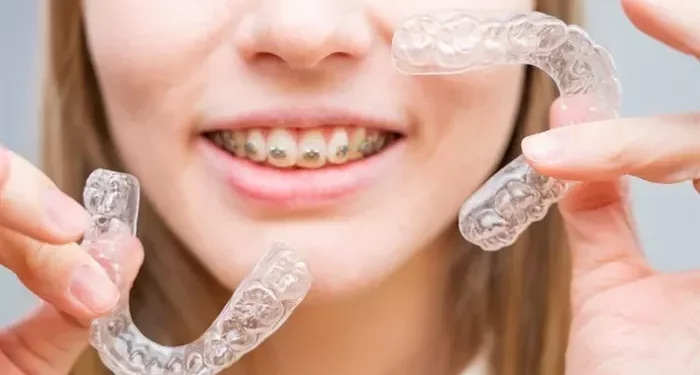
A recent clinical study has found that clear aligners may reduce oral inflammation and plaque accumulation compared with traditional fixed dental braces.
The research, which included 24 patients randomly assigned to either clear aligners or fixed appliances, examined the impact of orthodontic devices on oral health, the microbiome, and oxidative stress over six months. Samples of saliva, plaque, and gingival crevicular fluid (GCF) were collected at baseline, three months, and six months to assess microbial profiles, periodontal health, and reactive oxygen species (ROS) levels.
Patients wearing fixed appliances experienced significant increases in plaque index, gingival index, probing depth, and bleeding on probing compared with clear aligner users. In contrast, clear aligners were associated with lower plaque accumulation, stable probing depth, and minimal changes in gum inflammation.
Microbiome analysis revealed that fixed appliances promoted colonization by bacteria linked to caries and periodontitis, including Veillonella, Prevotella, and Lactobacillus. Clear aligner patients exhibited higher levels of health-associated bacteria such as Rothia and Lautropia. The study suggests that device design plays a key role in shaping microbial composition and oral health outcomes.
ROS levels were broadly similar between groups, but at six months, GCF oxidative stress markers were higher in fixed appliance users, potentially due to metal degradation, plaque accumulation, and device-induced microbial shifts. Functional analysis indicated that fixed appliances enriched carbohydrate metabolism pathways, while clear aligners promoted lipid metabolism pathways.
The findings highlight the potential benefits of clear aligners in maintaining oral hygiene and reducing inflammation, underscoring the importance of device choice in orthodontic care.
