

Promising consequences of using Mouthwash during COVID-19?
According to an international team of researchers, COVID-19 could enter people’s lungs via saliva, with the virus moving directly from the mouth to the bloodstream, particularly if they have gum disease.
COVID-19 lung disease affects the blood vessels in the lungs first, rather than the airways, according to the researchers, who also found that elevated levels of the virus in saliva and periodontitis are linked to an increased risk of death. The risk of the SARS-CoV-2 virus affecting the lungs and causing more serious cases of tetanus increases as dental plaque and periodontal inflammation accumulate.
According to the researchers, this finding could make successful oral healthcare potentially lifesaving, and they advise the public to take easy but effective everyday measures to maintain oral hygiene and minimize factors that contribute to gum disease, such as plaque accumulation.
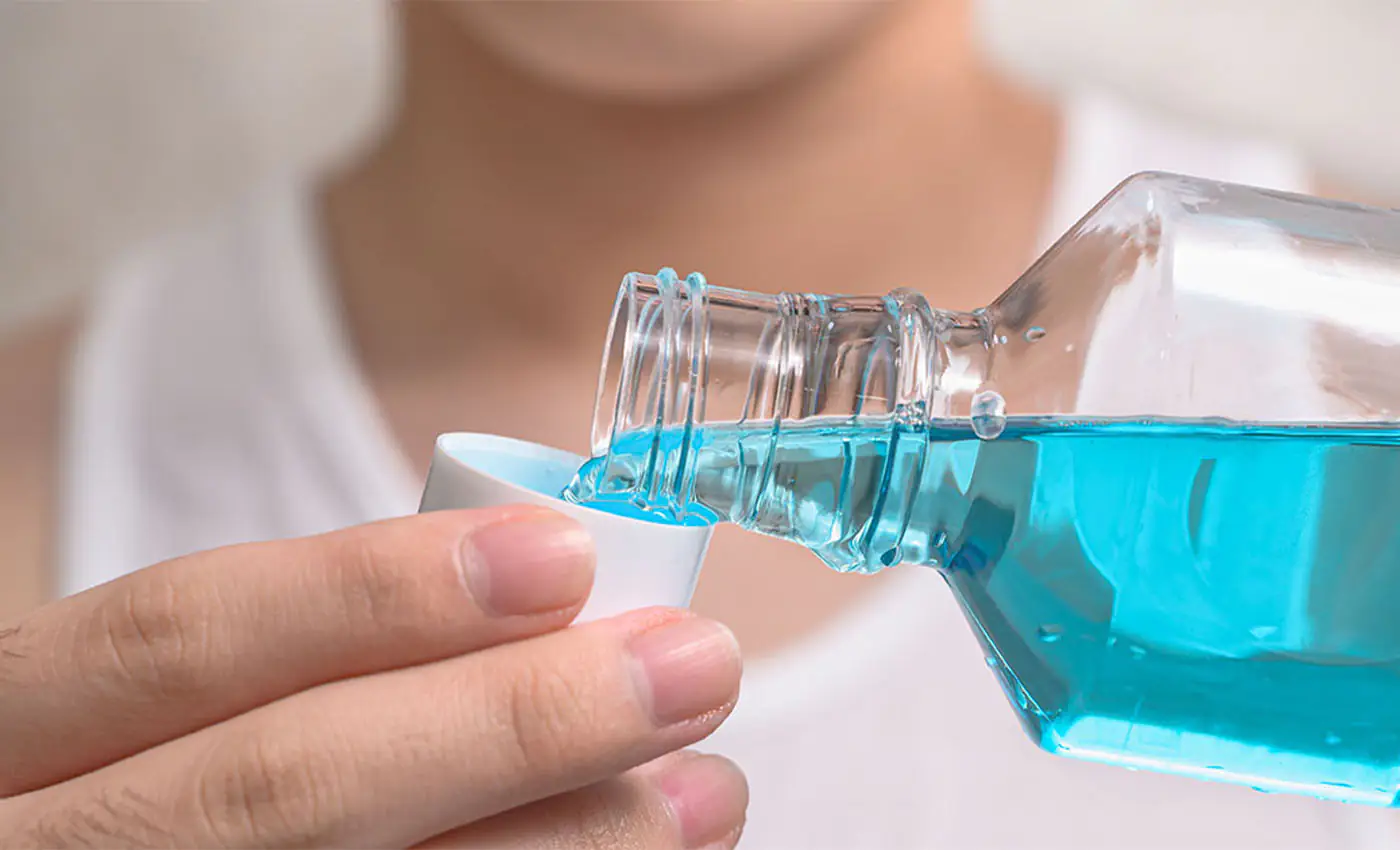
In reality, unique ingredients in some inexpensive and readily available mouthwash products are highly effective at inactivating bacteria, according to the researchers.
According to the researchers, using these particular mouthwash products and other basic oral hygiene measures may help reduce the risk of COVID-19 virus transmission to the lungs and help prevent serious infections. Following initial findings of lung CT scans from COVID-19 lung disease patients by radiologist Dr. Graham Lloyd-Jones of Salisbury District Hospital, medical and dental researchers collaborated on the proposed entry route into the bloodstream.
“This model will help us figure out why some people get COVID-19 lung disease, and others don’t. It could also improve how we handle the virus by allowing us to test low-cost or even free therapies for the virus in the mouth, potentially saving lives,” said co-author Iain Chapple, a periodontology professor at the University of Birmingham.
“Gum disease causes the gums to leak, allowing bacteria to reach the bloodstream. Simple steps, including diligent toothbrushing and interdental brushing to reduce plaque accumulation, as well as specific mouthwashes and saltwater rinsing to reduce gingival inflammation, may help reduce the virus’s concentration in saliva and help minimize the development of lung disease and reduce the risk of obstructive pulmonary disease.
Experts from Salisbury District Hospital in the UK, the University of Birmingham in the UK, and the Mouth-Body Research Institute in Los Angeles and Cape Town, South Africa, were among the researchers. Their new theory is that the mouth serves as a breeding ground for the virus and that any break of oral immune defences makes it easier for the virus to penetrate the bloodstream.
The virus would travel from blood vessels in the gums to the heart through neck and chest veins, where it would be injected into pulmonary arteries and small vessels in the lung base and periphery.
“Further research into this new model is urgently needed, but in the meantime, regular oral hygiene and plaque management will not only enhance oral health and well-being but may also be lifesaving in the event of a pandemic,” Chapple said.
FINAL NOTE:
COVID-19’s viral load can be reduced upon the use of a good quality mouthwash. Mouthwash also helps to keep a healthy oral hygiene and keep bad mouth odour away! You are advised to use a mouthwash to rinse your mouth immediately after brushing your teeth.

