

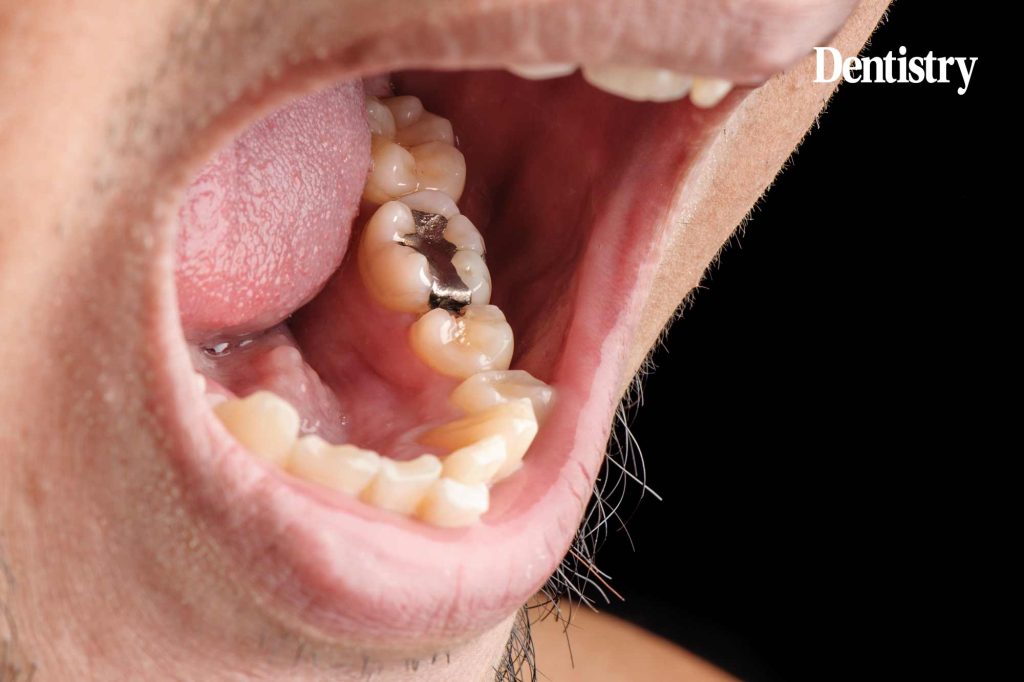
A ‘global phase-out date’ of 2034 has been set after which the manufacture, import, or export of dental amalgam will no longer be permitted.
The landmark decision was reached at the Sixth Conference of the Parties (COP6) to the Minamata Convention on Mercury, led by FDI World Dental Federation (FDI) and the International Association for Dental, Oral and Craniofacial Research (IADR).
The agreement includes an exemption that supports the joint advocacy by FDI and IADR, which ensures that even after the phase-out of dental amalgam it can be used ‘when its use is considered necessary by the dental practitioner based on the needs of the patient’.
This provision ensures that patient care remains at the center of decision-making, safeguarding access to essential restorative treatments where alternatives are not yet available or viable.
Over four days of deliberation, both organisations delivered individual and joint statements reinforcing the continued relevance of dental amalgam in restorative dentistry as well as the importance of prevention. They called for research into ‘affordable, effective and sustainable’ alternative materials and emphasised that waste management should be compulsory to reinforce the convention’s broader objective of reducing environmental mercury exposure.
The efforts helped to extend the final phase-out timeline beyond 2030 – the date originally proposed.
The European Parliament voted to ban dental amalgam in January 2024, resulting in a total phase-out in the European Union (EU) from 1 January this year.
‘Much-needed time’ on amalgam phase-out
‘As we move toward the eventual phase-out of dental amalgam, it is essential that the needs of our members, and the patients they serve, remain at the heart of every decision,’ said Enzo Bondioni, executive director of FDI.
‘This outcome provides much-needed time and clarity for our members to plan, prepare, and implement the necessary national policies. It reinforces FDI’s commitment to supporting the global dental community in maintaining continuity of care and advancing oral health equity during this important transition.’
The decision gives parties nine years to adapt their national strategies and healthcare systems to this new framework. The Minamata Convention on Mercury, which entered into force in August 2017, now counts 153 parties as of September 2025.
‘Science and evidence must remain at the heart of every global health policy decision,’ said Dr Christopher Fox, CEO of IADR.
‘This outcome reflects the progress we’ve made by investing in research into mercury-free alternatives, as called for in the text of the Minamata Convention, from both the public and private sectors. IADR remains committed to supporting continued innovation and research that will further the rapid improvement of affordable, effective and sustainable restorative materials, so no one is left behind in this transition.’
