

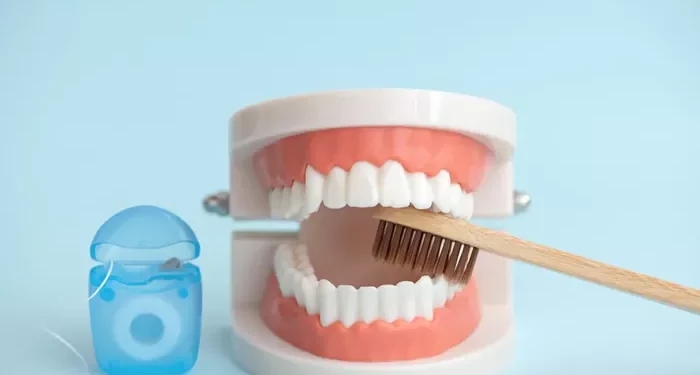
Brushing your teeth twice daily is a cornerstone of good oral hygiene, but experts say one common habit may be reducing its effectiveness: rinsing immediately after brushing.
Dentists emphasize that the key to cavity prevention is fluoride, the active ingredient in most toothpastes. Fluoride strengthens tooth enamel and protects against acids that cause decay.
Allowing fluoride to remain on teeth longer enhances its protective effect, according to Edmond Hewlett, consumer adviser for the American Dental Association and UCLA dentistry professor.
“When you skip rinsing, fluoride stays on your teeth, providing better defense against cavities and gum disease,” Hewlett explains. He recommends waiting at least 15 minutes before drinking water after brushing.
For those accustomed to rinsing, Hewlett notes that the habit does not nullify daily brushing benefits. Regular twice-daily brushing ensures fluoride is still present in the mouth, though avoiding a rinse can give an extra boost. “Saliva will naturally clear toothpaste over time,” he adds.
Dr. Marcus Brian Ward of Eastern Pines Dental in North Carolina notes that over-the-counter fluoride toothpaste, typically containing 1,000 ppm fluoride, is safe for adults. Excessive or off-label use, however, can cause side effects such as fluorosis, digestive issues, and neurological symptoms.
Dr. Naomi Goldman of Levy Goldman Dentistry stresses the importance of proper toothpaste amounts: a pea-sized portion for adults and a rice-grain-sized amount for children. Brushing more frequently or aggressively does not improve results and can damage gums.
For individuals prone to cavities, skipping the rinse may offer added protection, though dental consultation is essential to address underlying causes such as diet or irregular brushing habits.
Regarding mouthwash, Hewlett advises using it separately from brushing. Most mouthwashes contain less fluoride than toothpaste and can wash away its concentrated benefits if used immediately after brushing.
Other essential oral care tips include:
Using a soft-bristle toothbrush to prevent gum recession.
Flossing once daily, either before or after brushing, to remove plaque and trapped food.
Brushing gently along the gum line.
Consulting a dentist for personalized guidance.
Maintaining proper oral hygiene involves more than brushing—it’s about timing, technique, and understanding how fluoride works. Skipping the rinse may be a small change that strengthens your daily dental routine.
