


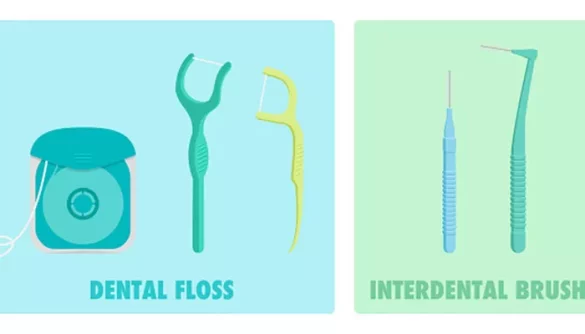
Good oral hygiene is essential for maintaining healthy teeth and gums. While brushing twice daily is vital, cleaning between teeth plays a crucial role in preventing dental problems. This is where interdental cleaning tools come into focus. The two most popular options are dental floss and interdental brushes. Both serve to remove plaque and food debris in areas that toothbrushes cannot reach effectively.
Understanding the differences between dental floss and interdental brushes helps patients and dental professionals choose the best tool for individual oral health needs. This article explains these differences clearly and highlights their roles in preventing gum inflammation, gum disease, and other oral conditions.
What Is Dental Floss?
Definition and Types
Dental floss is a thin, flexible filament used to clean between teeth. It is typically made from nylon or Teflon and is designed to slide into tight spaces between teeth to remove plaque and food particles. There are various types of dental floss:
Waxed floss: Coated with a thin layer of wax to ease sliding between tight contacts.
Unwaxed floss: Thinner and more flexible but can shred or break more easily.
Dental tape: A wider, flatter floss that suits people with larger interdental spaces.
flavored floss: Mint or other flavors for enhanced freshness.
How Dental Floss Works
Dental floss is used by wrapping a small length of floss around fingers, gently sliding it between teeth, and curving it in a C-shape around each tooth’s surface. This motion scrapes off plaque and trapped food. The floss also massages the gum line to help prevent gum inflammation.
What Are Interdental Brushes?
Definition and Design
Interdental brushes are small brushes with a handle and a cylindrical or conical bristle head designed specifically to clean the spaces between teeth. The bristles vary in size to accommodate different interdental gaps, and the brush can reach deeper and wider spaces than floss.
Types and Sizes
Interdental brushes come in a range of diameters, from very fine (around 0.4 mm) to larger sizes (up to 1.5 mm or more). Choosing the correct size is important for effective cleaning without damaging the gums.
How Interdental Brushes Work
The brush is gently inserted into the interdental space and moved back and forth to remove plaque and debris. Its bristles clean the tooth surfaces and stimulate the gums, which helps reduce gum inflammation and support gum health.
Differences Between Dental Floss and Interdental Brushes
Mechanism of Cleaning
Dental floss uses a sliding and scraping motion to clean the narrow gaps between teeth, especially where teeth touch tightly. Interdental brushes use bristles to sweep and scrub larger interdental spaces.
Suitable Interdental Space Sizes
Dental floss is best for tight contacts where there is minimal space between teeth. Interdental brushes are ideal for wider gaps, such as those found in patients with gum recession, orthodontic appliances, or missing teeth.
Ease of Use
Dental floss requires dexterity and can be challenging for some people, especially children, elderly, or those with limited hand mobility. Interdental brushes are often easier to handle due to their small handles and are better suited for individuals who struggle with flossing technique.
Effectiveness in Removing Plaque
Both tools effectively remove interdental plaque when used properly. Studies suggest interdental brushes may be more efficient in reducing gum inflammation and plaque in patients with larger interdental spaces or gum disease.
Gum Health Impact
Interdental brushes tend to provide superior gum stimulation due to their bristles, which can help improve gum circulation and reduce gingivitis. Dental floss also helps prevent gum disease but may not stimulate gums as thoroughly.
Risk of Damage
Incorrect flossing technique can cause gum injury or bleeding. Similarly, using an interdental brush that is too large or applying excessive force may damage delicate gum tissues. Proper instruction and selecting appropriate tools are essential.
When to Use Dental Floss
Dental floss is recommended for:
- People with tight teeth contacts where interdental brushes cannot fit.
- Those without gum recession or large interdental spaces.
- Patients who prefer a more discreet cleaning method.
Regular flossing helps reduce plaque accumulation, preventing gum inflammation and early gum disease. Flossing daily supports overall oral health and complements toothbrushing.
When to Use Interdental Brushes
Interdental brushes are suitable for:
Patients with gum recession or periodontal disease where gaps between teeth have widened.
Those wearing braces, bridges, or implants where flossing may be difficult.
People who find flossing difficult due to manual dexterity challenges.
Individuals advised by dental professionals to improve gum health.
Interdental brushes can be more effective in removing plaque around orthodontic appliances and stimulating gum tissue to reduce inflammation.
Combining Dental Floss and Interdental Brushes
In many cases, a combination of dental floss and interdental brushes provides optimal interdental cleaning. Dental floss can clean tight contacts, while interdental brushes can clean wider spaces and areas around dental appliances.
Consulting a dental professional to determine the best tools based on individual anatomy and oral health status is advisable.
Tips for Effective Interdental Cleaning
Choosing the Right Tool
Visit a dentist or hygienist to assess interdental spaces and receive recommendations on floss type or brush size. Selecting the correct interdental brush size is crucial to avoid gum injury.
Proper Technique
Learn the correct flossing method: gently slide the floss between teeth without snapping, curve it around each tooth in a C-shape, and clean beneath the gum line carefully. For interdental brushes, gently insert the brush without forcing, moving it back and forth to clean.
Frequency of Use
Both flossing and interdental brushing should be performed at least once daily for best results in preventing plaque buildup, gum inflammation, and gum disease.
Signs of Improper Cleaning
If bleeding, persistent gum inflammation, or discomfort occurs, consult a dental professional. These symptoms may indicate incorrect technique or underlying gum disease.
Conclusion
Both dental floss and interdental brushes are valuable tools for maintaining oral health by effectively cleaning between teeth and preventing plaque buildup. The main differences lie in their design, suitability for interdental space size, ease of use, and impact on gum health.
Dental floss works best in tight spaces, while interdental brushes are more effective for wider gaps and special cases such as braces or gum recession. Choosing the right tool and using it properly can help prevent gum inflammation and gum disease, supporting long-term dental health.