

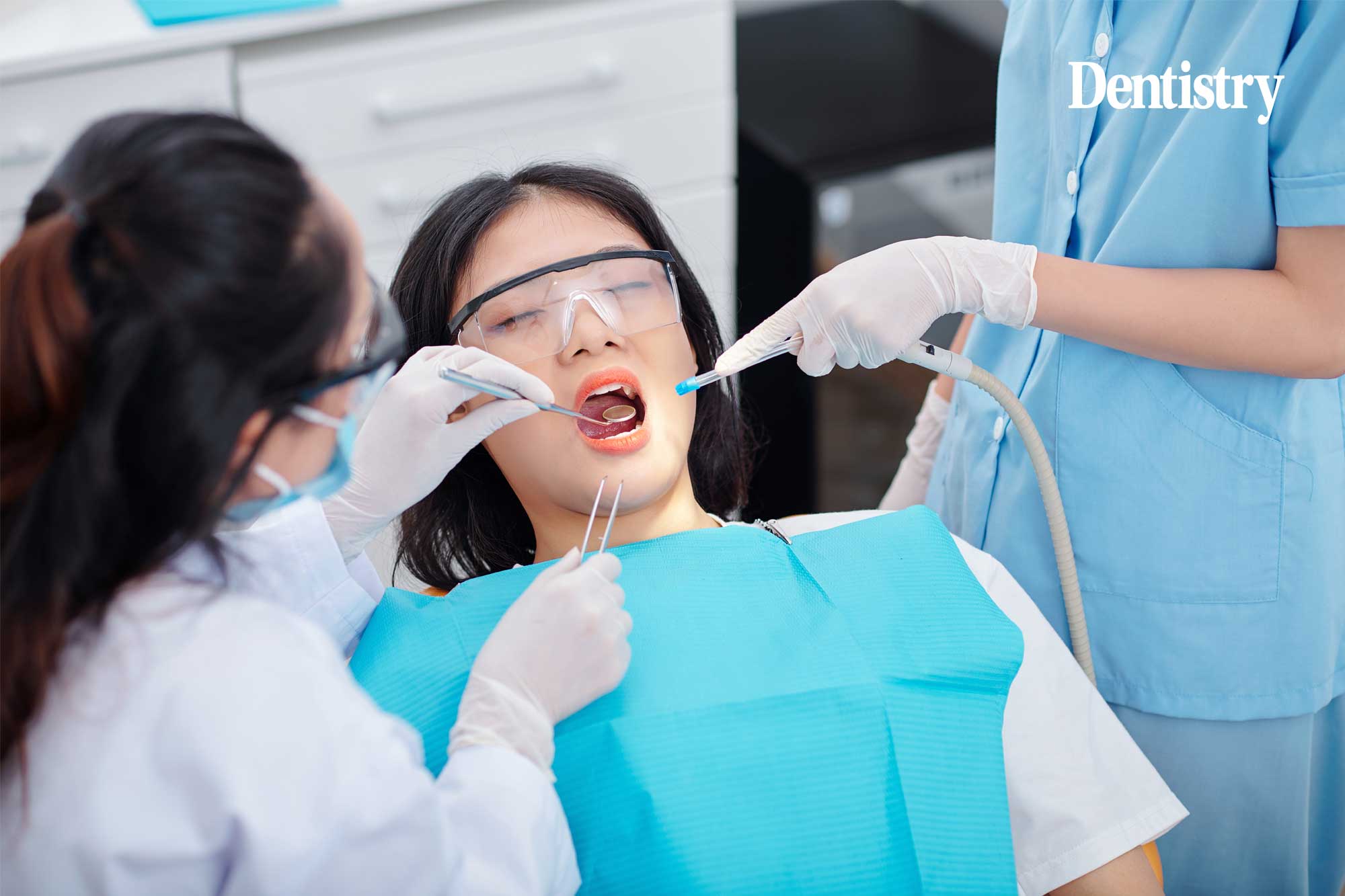
Ayesha Akhter questions why dental hygienists operating without dental nursing support has become normalised and explains the benefits of a dental nurse in hygiene work.
After relocating to the south of England, I was surprised by how normalised it has become for dental hygienists to work without nursing support – and even more shocked that some practices offer higher pay to do so.
This raises important questions about how we value hygienists’ work and the standard of care we deliver. Working without a dental nurse isn’t simply about convenience. It affects accuracy, safety, mental health, and professionalism across the board.
Working without a dental nurse isn’t a logistical issue – it’s a patient safety and professional respect issue.
Precision and patient care
Having a dental nurse present enables more detailed and accurate work. With assistance, dental hygienists can carry out full periodontal charting, record indices, and provide more effective non-surgical periodontal therapy.
Without support, appointments can unintentionally shift focus towards plaque removal rather than disease management and prevention. Hygienists perform radiographs, oral cancer screenings, and monitor periodontal health – all of which deserve the same level of support as any other dental procedure.
Safety and standards
According to GDC standard 6.2.2, clinicians should ‘work with another appropriately trained member of the dental team at all times when treating patients in a dental setting’.
A dental nurse’s role extends far beyond suctioning. They act as a witness in incidents, support during medical emergencies, and ensure rapid access to drugs or a defibrillator – while the clinician remains with the patient.
In short, having nursing support isn’t optional; it’s a professional standard that safeguards both patients and clinicians.
Ergonomics, mental load and morale
Expecting hygienists to handle suction, charting, and sterilisation alone increases the risk of RSI and musculoskeletal strain. It also compromises aerosol management and infection control, not to mention the unprofessional look of patients holding their own suction.
Working unsupported also adds mental pressure. With a dental nurse, the clinician can fully focus on treatment, improving accuracy and flow. Feeling supported increases confidence, reduces stress, and boosts job satisfaction – all essential for retention and wellbeing.
A supported hygienist is a confident hygienist, and confident clinicians deliver the best care.
Efficiency and flow
A skilled dental nurse streamlines every part of the appointment. Surgery turnaround is quicker, charting becomes more accurate, and patients are seen on time.
Efficient appointments improve the experience for everyone. Patients feel cared for, clinicians work calmly, and practices see higher consistency in output – all without compromising quality.
Teamwork in action
Collaboration with a dental nurse strengthens communication across the practice. Dental nurses often remember patient details that enhance rapport and continuity of care.
Shared learning also happens naturally – hygienists can mentor dental nurses in preventive and periodontal techniques, helping the whole team grow together.
Practice growth and recruitment
From a business standpoint, full nursing support is a smart investment. Patients notice when a clinician is well-supported – it reflects positively on the practice’s professionalism.
Job adverts that clearly state ‘full nursing support provided’ instantly attract more applicants. Skilled hygienists are drawn to progressive workplaces that value comprehensive care and teamwork.
Happier clinicians mean better patient outcomes, more rebookings, and glowing Google reviews – all contributing to sustained practice growth.
Driving change through reflection and audit
This topic has been discussed for years, but meaningful change comes from data and dialogue. Post-COVID, we’ve seen a renewed appreciation for the role of dental nurses in infection control – it’s time to extend that to hygiene support too. Hygienists can start by raising the issue with practice owners or managers. Hold a staff meeting to discuss the practical benefits of support, from ergonomics to patient outcomes.
A practical next step is to run in-practice audits comparing what can be achieved solo versus with a dental nurse:
- Record keeping accuracy
- Appointment timing and efficiency
- Missed or deprioritised charting
- Ergonomic strain or fatigue/stress levels.
These audits provide measurable, objective data that highlight the difference support makes. A trial day with a dental nurse can also help visualise the benefits instantly, often more convincing than words.
Audits turn conversations into evidence – and evidence into change.
Even in job interviews, raising the subject can plant a seed for awareness. These small discussions move the profession closer to universal support for hygienists.
Conclusion
Dental nursing support for dental hygienists is not a luxury, it’s a necessity. It enhances safety, accuracy, and efficiency while protecting clinician wellbeing and elevating the patient experience.
Recognising the importance of teamwork and full support is how we uphold the standards our patients and our profession deserve.
When hygienists are supported, everyone wins – the clinician, the patient and the practice.
