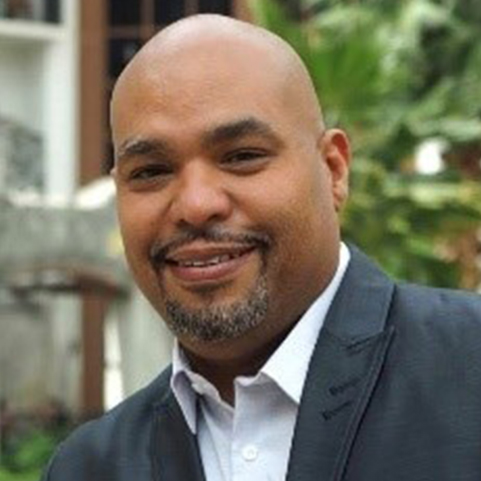
,Rafael Rondon, BS, RDH, has been a dental hygienist for over three decades and has worked with dental group practices for the past 20 years. He has helped to develop and implement a dental hygiene standard of care for Coast Dental, where he now serves as Vice President of Hygiene Operations. He is also the founder of Mr. RDH, whose mission is to create a platform for male hygienists around the world to be able to network, discuss, and influence factors that affect men as dental hygienists. , ,Q: Why do you believe it’s important to proactively diagnose periodontal disease?,A: As a hygienist, we are making a difference in our patients’ lives every single day. I believe that we need to ensure that we are doing three things with each patient who walks through the door: oral cancer screening, caries risk assessment, and a periodontal assessment with full charting. These guide us in determining which procedures we should be doing. We need to know the health of the gums and, if there is something going on, we need to be able to manage it from that point. As we know, periodontal disease is linked to systemic diseases which means that we can have a positive impact on our patients’ overall health in addition to their oral health., ,Q: How do you speak to your patients about periodontal disease?,A: As I am gathering information, I love to involve the patient in the process. For example, I first discuss whether they have had a periodontal assessment done before and explain to them what the numbers mean before I take the measurements. I explain it in a way that the patient can understand by saying something like, “I am going to be using a dental ruler to measure the depths of the pockets of your gums.” So, I start to open the door to them to understand what the numbers mean before I even tell them what their numbers are, so they are engaged in the process. If they are engaged and understand, they will own their own disease and own their own process and progress as well as we continue to monitor and manage what is going on in their oral health together., ,Q: What obstacles do you face in getting patients to agree to treatment? And how do you overcome them?,A: There are a lot of obstacles when it comes to patients accepting treatment. Patients often feel that they are walking into a practice for their free cleaning based on what their insurance has stated. But, of course, as we do the assessment, we sometimes find things that require treatment and now they are being asked to pay for something out of pocket and they start thinking about the money aspect of it.
The most important thing for me is to create value for the services we are going to be doing by engaging them in the process and helping them understand where they are and where we could take them through our therapy. If finances are truly an issue, sometimes we have to break the treatment down and do as much as they can afford at each appointment. It is not the most ideal way to practice but sometimes you need to meet people where they are and work from there. Once they have completed initial therapy, we can work our way to a periodontal maintenance every three months to keep them stabilized., ,Q: How do you incorporate the Perio Protect Method in your treatment protocols?,A: Here at Coast Dental, we have chosen to incorporate Perio Protect in our protocol for periodontal maintenance patients and those with chronic gingivitis. After the initial therapy, we have our patients return in 6 weeks. Depending on their healing, our clinicians may decide to do another round of therapy or take impressions for Perio Protect Trays. We were looking for something that could really help those patients that were just not responding to traditional treatment options. It has been incredibly successful for us, and we are seeing the results in our recall patients. We are able to speak to them about the need to continue to control and maintain periodontal health, and how we are going to provide something they can use every day at home to help with that. We explain how it will become a part of their daily routine like brushing and flossing and the patients have been really receptive to it.,

