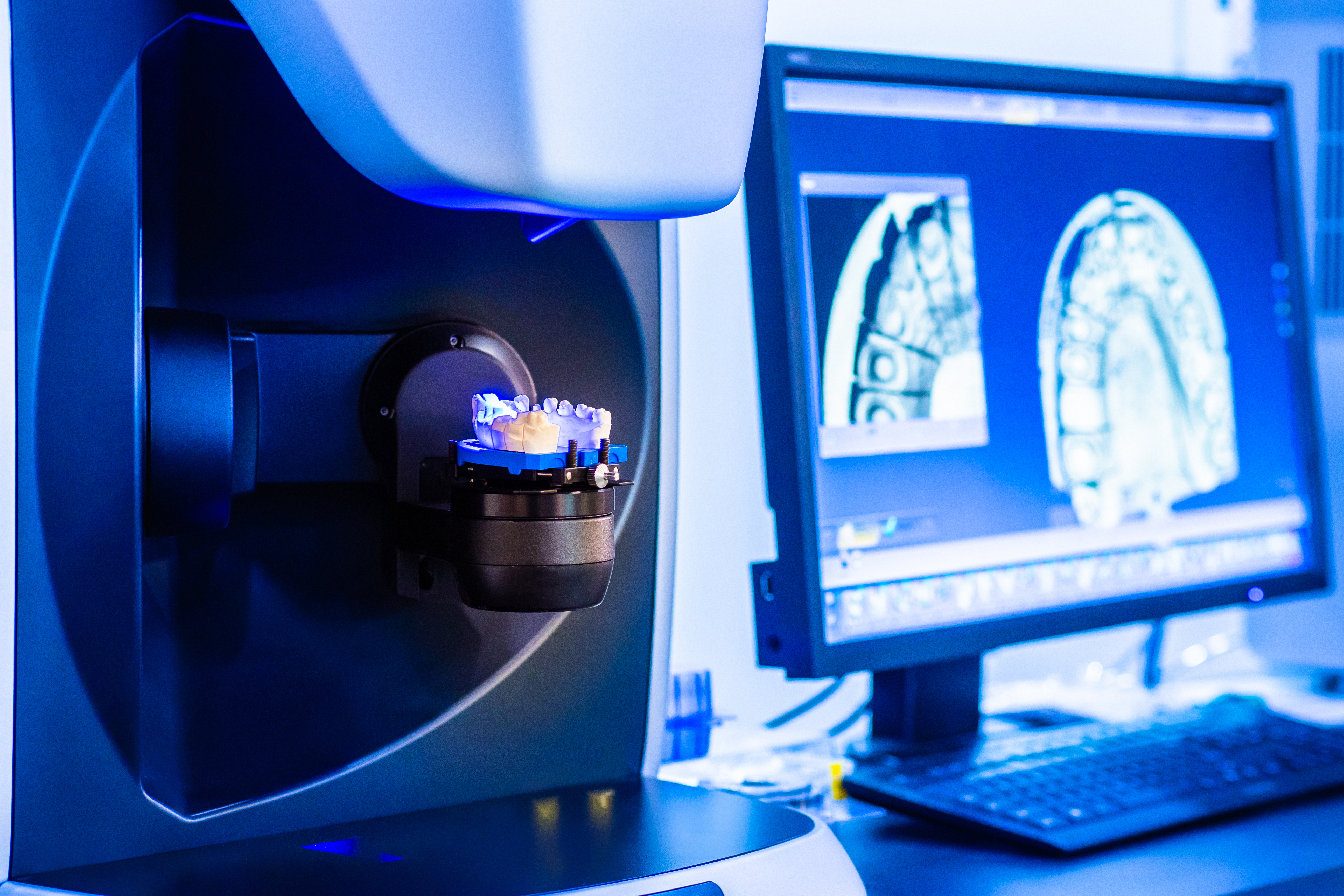
 Technology continues to reshape the way we detect, diagnose, and plan treatment. But how do you know when it’s time to move beyond traditional diagnostics and invest in digital solutions? Let’s explore the pros and cons of traditional and digital diagnostics, and when it makes sense to take the digital leap., ,The Traditional Approach: Time-Tested, But Limited
For decades, traditional diagnostics—including film x-rays, PVS impressions, and tactile examination—have served as the foundation of dental evaluation. These methods are familiar, reliable, and typically involve lower upfront costs, making them accessible for many practices. , ,However, they come with notable limitations. Film-based x-rays offer lower resolution and require slower processing compared to digital imaging, while also exposing patients to higher radiation levels. Physical records and impressions can be difficult to store, retrieve, and share efficiently. Tactile and visual assessments introduce a degree of subjectivity, leading to variability in diagnosis. , ,Although these methods are still effective in certain situations, they often fall short in complex cases, multidisciplinary treatment planning, and modern practices focused on growth, efficiency, and high case acceptance., ,The Digital Diagnostic Revolution
Digital diagnostic tools are transforming the way clinicians approach evaluation and treatment planning by offering enhanced clarity, greater efficiency, and improved patient education. These technologies provide a more comprehensive and precise view of oral health conditions, enabling earlier detection and more accurate diagnoses., ,These tools allow for instant data capture and seamless sharing with specialists or patients, promoting more collaborative care. With streamlined workflows, clinicians can reduce chair time and increase productivity. Ultimately, the integration of digital diagnostics doesn’t just enhance the diagnostic process—it elevates the entire patient experience., ,When to Upgrade: Key Questions to Ask,1. Is Diagnostic Confidence an Issue?
If you frequently need second opinions, additional imaging, or struggle with unclear radiographs or impressions, digital tools can provide the clarity you need to plan and execute treatment with more confidence., ,2. Are You Losing Patients at the Diagnosis Stage?
Patients are more likely to accept treatment when they understand it. Digital images, 3D scans, and AI overlays can help them visualize pathology and appreciate the need for care., ,3. Do You Want to Expand Services or Integrate New Technology?
CBCT and intraoral scanners are essential for practices offering implants, aligners, or complex restorative work. They’re also foundational for moving toward full digital workflows., ,4. Could Your Workflow Be More Efficient?
Digital diagnostics cut down processing and turnaround time—meaning more productive appointments, reduced patient wait times, and less back-and-forth with labs or referrals., ,Digital diagnostics aren’t just about keeping up with the latest trends—they’re about providing the highest level of care with confidence, precision, and patient trust. While traditional methods still hold a place in dentistry, digital tools are rapidly becoming the new standard. If your goal is to improve diagnostic accuracy, boost efficiency, and enhance the patient experience, it might be time to upgrade your toolkit.


