


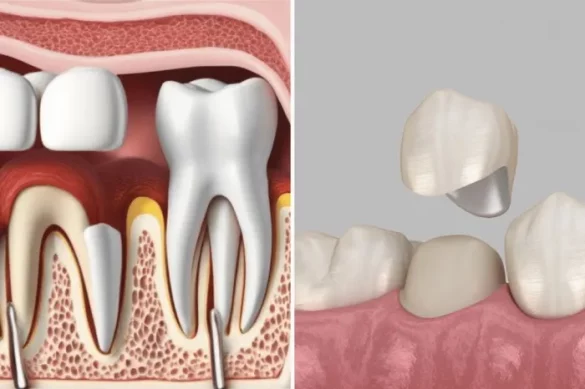
A root canal is a dental procedure that saves a tooth that is infected or badly decayed. Dentists use this treatment to remove the damaged pulp from inside the tooth. After the pulp is removed, the empty space is cleaned, shaped, and filled to prevent further infection. Many patients who receive a root canal rightly wonder if they will also need a crown afterward. This article provides detailed answers and guidance to help patients understand when a crown is necessary after root canal treatment.
What Happens During a Root Canal?
During a root canal, the dentist begins by numbing the area around the affected tooth. The dentist then makes an opening in the tooth and uses special tools to remove the infected or dead pulp from the root canals inside the tooth. Once the canals are cleared, they are disinfected and filled with a material that seals off the space. Typically, a temporary filling is placed after a root canal. Patients often return to their general dentist to receive permanent restoration, which may include a crown.
Why Are Crowns Often Recommended After a Root Canal?
Tooth structure is weakened after root canal therapy because the living tissue is removed and the tooth can no longer receive nutrients. This makes the tooth more brittle and susceptible to fracture. Chewing forces and accidental trauma can damage the treated tooth more easily. A crown acts as a protective cover placed over the tooth. It wraps around the entire visible part of the tooth above the gum line, restoring function, appearance, and strength. Crowns are custom-made in dental laboratories to match your natural tooth shape and color.
Factors That Influence the Need for a Crown
Not every tooth that gets a root canal needs a crown. Several factors influence this decision, including:
Tooth Location
Back teeth, such as molars and premolars, experience higher chewing forces. These teeth are more prone to fracture and typically benefit most from crowns after root canal treatment. Crowns provide essential reinforcement, allowing these teeth to function properly without risk of cracking or breaking. In contrast, front teeth (incisors and canines) face less pressure during biting and may not always require crowns.
Amount of Remaining Tooth Structure
If a tooth has lost considerable structure due to decay, trauma, or pre-existing fillings, a crown is often recommended to restore its stability. Dentists assess the amount of healthy tooth left; when more than half of the structure is gone, the risk of fracture rises significantly. A crown then becomes necessary to preserve the tooth long-term. On the other hand, if the majority of the tooth’s natural structure remains and the biting forces are low, alternative restorations like fillings or onlays may suffice.
Presence of Cracks or Weakness
Some teeth present with visible cracks or are considered weak even before root canal treatment. In such cases, a crown is strongly advised to prevent further damage and reduce the chance of split or fracture.
Advantages of Placing a Crown After Root Canal
Multiple studies have shown that root canal-treated teeth with crowns tend to last longer. According to research, teeth that are root canaled but not crowned have a much higher chance of being lost. Crowns offer long-term protection, improve chewing ability, and help preserve the integrity of the tooth for years. Additionally, a crown can improve the appearance of a tooth, especially if it is discolored or has structural changes after treatment.
When Might a Root Canal Tooth Not Need a Crown?
There are cases where a crown may not be suitable or necessary after a root canal. These situations are more common for front teeth that are structurally sound, have small cavities, and do not support heavy biting or chewing. In these cases, a strong composite filling or onlay may restore the tooth. However, your dentist will make this decision based on a thorough examination and risk assessment.
Risks of Not Placing a Crown After a Root Canal
Teeth without crowns after root canal therapy are much more susceptible to fracture. A break in the tooth may render it unrestorable, leading to tooth loss. Many dentists agree that it is difficult to predict how long a root canal-treated tooth will last without a crown. While some patients may experience years of success, others may face problems within months.
Common Myths About Crowns and Root Canals
There is a common belief that all root canal teeth must have crowns. While this is mostly true for molars and premolars, it is not a universal rule. Dental guidelines are based on minimizing risks and ensuring patient safety. In select cases, experienced dentists may use advanced techniques and materials that avoid traditional crowns, but this requires careful case selection and expertise.
What Happens if a Crown Is Delayed After Root Canal?
Timing is important. If a crown is recommended, delay can increase the risk of fracture. Crowns can often be placed within weeks of root canal therapy, but in some cases, they may be done months later depending on healing and other dental circumstances. However, dental professionals generally advise prompt restoration with a crown to maximize protection and reduce risk.
Creating a Customized Approach
Every patient and every tooth is unique. Dentists evaluate the position, function, and remaining structure of the tooth carefully before recommending a crown. A thorough discussion between patient and dentist ensures that the chosen treatment meets individual needs and preferences. Open communication and understanding lead to better outcomes.
Conclusion
Not all root canal-treated teeth need crowns, but many do, especially molars and premolars exposed to heavy chewing forces or that have lost significant tooth structure. Crowns provide essential protection, reduce fracture risk, and help preserve treated teeth for the long term. The need for a crown depends on location, condition, and the amount of surviving tooth structure. Consulting your dentist for a personalized evaluation is crucial for successful treatment and lasting dental health.
Frequently Asked Questions
Do All Root Canals Require a Crown?
No, but most root canal-treated teeth, especially those in the back of the mouth, will benefit from a crown. Front teeth sometimes do not need crowns if they are structurally sound.
What Happens if I Don’t Get a Crown After Root Canal?
Without a crown, the tooth may be at higher risk for fracture or loss. The duration before problems arise is unpredictable.
How Long Can I Wait Before Getting a Crown?
It is safest to get a crown soon after the root canal. Delay increases risk of damage or fracture.
Can Fillings Replace Crowns After Root Canal?
Fillings may be used in certain cases, especially for front teeth with minimal damage, but crowns are generally superior for long-term protection.
Are There Alternatives to Crowns?
Alternatives include onlays and strong composite fillings, but suitability depends on the specific case and should be decided by your dentist.