

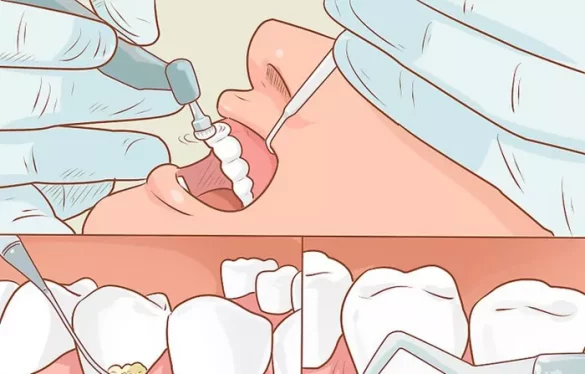
Scaling is a common dental procedure used to treat gum disease. It involves cleaning the surfaces of the teeth and roots to remove plaque, tartar, and bacteria. This deep cleaning helps reduce inflammation and prevent further damage to the gums and bone supporting the teeth. Many patients wonder if and how their gums can grow back after scaling. This article explains the process in detail.
What Happens to Gums During Scaling?
During scaling, dental professionals carefully remove hardened deposits from teeth, especially below the gumline. This process may cause temporary gum recession because the tartar buildup that caused the gums to swell and bulge is removed. Once the source of irritation is gone, the gums can start healing, but the exact outcome depends on the severity of the gum disease and individual factors.
Gum Recession and Scaling
Gum recession is when the gum tissue pulls away from the teeth, exposing more of the tooth or its root. In advanced cases of gum disease, this recession may be permanent. Scaling can sometimes reveal or increase the visibility of gum recession because inflamed gums shrink back after cleaning.
Do Gums Grow Back After Scaling?
The simple answer is: it depends. Healthy gum tissue has some ability to regenerate, especially if the gum disease is caught early and treated promptly. Mild to moderate gum inflammation and swelling caused by plaque and tartar can improve, allowing the gums to tighten around the teeth again. However, severe gum recession caused by advanced periodontitis often cannot be reversed naturally.
Healing Process After Scaling
After scaling, the gums begin a healing process. The removal of bacteria and irritants allows the inflammation to decrease. This often leads to reduced gum swelling and bleeding. In many cases, gums will reattach to the clean tooth surfaces as they heal, reducing pockets caused by gum disease.
Limitations to Gum Regrowth
While gums can heal and reattach, lost gum tissue does not fully grow back like other tissues in the body. The connective tissue and bone that support the gums may have been damaged by chronic gum disease. Without surgical intervention, this lost tissue typically does not regenerate completely. This is why early treatment of gum disease is crucial to prevent permanent damage.
Factors Affecting Gum Healing After Scaling
Severity of Gum Disease
The stage of gum disease at the time of treatment influences healing. Gingivitis, the mildest form, causes swelling and bleeding but no permanent tissue loss, so gums can fully recover after scaling. In contrast, periodontitis causes deeper infection, tissue destruction, and bone loss, limiting regrowth.
Oral Hygiene Practices
Maintaining excellent oral hygiene after scaling is vital. Brushing gently twice daily, flossing, and using antibacterial mouth rinses help keep plaque at bay and promote gum healing. Poor oral care can lead to reinfection and slow the healing process.
Lifestyle Factors
Smoking and poor nutrition negatively affect gum healing. Smoking reduces blood flow to the gums, impairing the delivery of oxygen and nutrients necessary for tissue repair. A balanced diet rich in vitamins C and D supports gum health and regeneration.
Regular Dental Visits
Follow-up visits after scaling are important. Dentists monitor gum healing, remove any remaining plaque, and may recommend additional treatments if necessary. Professional care is essential for long-term gum health.
Managing Sensitive Teeth After Scaling
Some patients experience sensitive teeth after scaling. This happens because root surfaces exposed by gum recession may be more sensitive to temperature and touch. This sensitivity usually decreases with time and proper care.
Tips to Reduce Sensitivity
- Use a soft-bristled toothbrush to avoid irritating the gums and teeth.
- Choose toothpaste formulated for sensitive teeth.
- Avoid very hot, cold, or acidic foods and drinks until sensitivity improves.
- Follow your dentist’s recommendations for fluoride treatments or desensitizing agents.
When Gum Regrowth Needs Professional Help
In cases where scaling and root planing are insufficient, additional treatments may be required to restore gum tissue.
Gum Grafting Procedures
For significant gum recession, a periodontist may perform a gum graft. This procedure involves taking tissue from another area (often the roof of the mouth) and attaching it where gums have receded. This can protect roots, reduce sensitivity, and improve gum aesthetics.
Regenerative Techniques
Advanced regenerative procedures use special membranes, growth factors, or graft materials to encourage the body to rebuild lost bone and connective tissue around teeth. These techniques can help restore some of the structures destroyed by periodontitis.
Preventing Gum Disease and Maintaining Healthy Gums
Prevention is the best way to ensure gums stay healthy and avoid the need for scaling and treatment.
Daily Oral Hygiene
Brush teeth twice daily, floss once daily, and use mouthwash if recommended. This helps prevent plaque buildup that causes gum disease.
Healthy Diet
A balanced diet supports immune function and tissue health. Limit sugary foods that feed harmful bacteria.
Regular Dental Checkups
Visit your dentist at least twice a year for professional cleanings and early detection of any gum issues.
Avoid Tobacco Use
Smoking is a major risk factor for gum disease and poor healing after dental treatments.
Conclusion
Gums can partially grow back after scaling, especially when gum disease is mild and treatment is early. The healing process involves reduction of inflammation and reattachment of gum tissue to teeth. However, lost gum tissue from advanced disease often cannot regenerate fully without surgery. Good oral hygiene, healthy habits, and professional care are essential for optimal gum healing and long-term dental health. Managing sensitive teeth after scaling helps improve comfort as gums heal. If you suspect gum disease or have concerns after scaling, consult your dental care provider promptly to protect your smile.
