

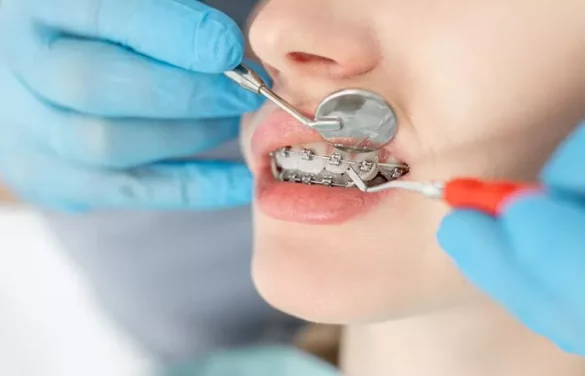
Orthodontic treatment with braces requires regular adjustments. Patients often wonder, “Do my braces still work without tightening for 3 months?” The answer depends on the stage of treatment, the type of braces, and how the teeth respond over time. This article provides detailed insights into how braces function, what happens if adjustments are delayed, and the possible effects on oral health, including gum disease, cavities, and sensitive teeth. A clear understanding of these aspects helps patients manage expectations and make informed decisions with their orthodontist.
How Braces Work
Braces are orthodontic devices that apply controlled pressure to teeth. The brackets, archwires, and elastic bands work together to move teeth gradually into alignment. The pressure reshapes the surrounding bone tissue, allowing the teeth to shift into their correct positions. This process is slow and requires consistent monitoring.
The Role of Archwires
The archwire is the main force behind tooth movement. It connects to the brackets and gradually applies tension. Over time, the wire loses its elasticity and becomes less effective. This is why regular tightening or replacement is needed.
Why Adjustments Are Important
Adjustments restore the optimal level of force. If tightening is skipped, the wire may no longer deliver enough pressure, slowing or halting progress. Orthodontists also use adjustment visits to check oral hygiene, detect gum disease, and monitor root and bone health.
What Happens If Braces Are Not Tightened for 3 Months?
Skipping orthodontic adjustments for three months can have different consequences depending on treatment stage.
Early Stages of Treatment
In the early stage, frequent adjustments are critical. Teeth are just beginning to move, and the pressure from archwires decreases quickly. Missing three months may mean almost no progress. In some cases, the teeth may even relapse to their old positions.
Mid-Treatment Stages
During mid-treatment, the teeth are partially aligned, but continued force is necessary. Without tightening, progress slows and the risk of complications such as crooked bite or uneven spacing increases. Sensitive teeth may develop due to inconsistent pressure.
Late Stages of Treatment
In later stages, teeth may appear straight, but bite correction and fine adjustments are still required. If braces are not tightened for three months, finishing results may be compromised. Small gaps, rotations, or bite problems can persist, requiring longer treatment time later.
Effects on Oral Health
Not visiting the orthodontist for three months can also affect oral health beyond tooth movement.
Increased Risk of Gum Disease
Braces trap food and plaque, making gum disease more likely. Regular checkups allow the orthodontist to check for swollen gums, bleeding, or early signs of infection. Missing visits for three months may let gum disease progress unnoticed.
Tooth Decay and Cavities
Food particles stick around brackets and wires. If oral hygiene is poor and checkups are missed, cavities may form. This can weaken teeth and delay orthodontic treatment.
Sensitive Teeth
Some patients experience sensitive teeth during treatment. Without adjustments, uneven forces may worsen sensitivity, leading to discomfort when eating hot, cold, or sweet foods.
Impact on Treatment Duration
Every skipped appointment adds time to the treatment plan. Orthodontists design schedules to maximize efficiency. Delaying tightening by three months can extend treatment by six months or more. In severe cases, it may even require restarting certain parts of treatment.
Situations Where Delay Is Unavoidable
Sometimes, missing appointments cannot be avoided due to illness, travel, or emergencies. Patients in this situation should maintain excellent oral hygiene and contact their orthodontist for advice. Some orthodontists may provide special instructions or temporary adjustments to minimize delay.
Alternatives to Traditional Braces Adjustments
Different orthodontic systems have varying requirements for tightening.
Self-Ligating Braces
Self-ligating braces use clips instead of elastic bands. They may require fewer adjustments, but checkups are still needed every 6–10 weeks.
Clear Aligners
Clear aligners like Invisalign do not require tightening. Instead, patients switch to new trays every one to two weeks. However, missing orthodontic follow-ups still risks gum disease and treatment delays.
Patient Responsibilities During Gaps
If tightening is delayed, patients can protect progress with good oral care.
Maintain Strict Oral Hygiene
Brush teeth at least twice daily, floss carefully, and use an antiseptic mouthwash. This prevents gum disease and cavities.
Watch for Warning Signs
Be alert to bleeding gums, swelling, persistent bad breath, or sensitive teeth. These may indicate gum disease or cavities that need professional care.
Limit Risky Foods
Avoid sticky, hard, or sugary foods that can damage braces or cause decay. Broken brackets and wires worsen delays if visits are postponed.
When to Contact an Orthodontist Immediately
Even if the next scheduled tightening is months away, patients should contact their orthodontist if they notice:
- Broken brackets or wires
- Severe tooth pain or extreme sensitive teeth
- Swollen, bleeding gums indicating gum disease
- Loose teeth not expected during treatment
- Sudden shifting or gaps appearing
Long-Term Risks of Skipping Adjustments
If missed appointments become frequent, treatment may fail. Teeth can relapse, gum disease may worsen, and sensitive teeth may become permanent. In extreme cases, patients may require retreatment, which increases costs and discomfort.
Expert Advice for Patients
Orthodontists emphasize that braces are only effective when maintained. Patients should prioritize attending all scheduled visits. If unavoidable, they must communicate with their orthodontist to minimize risks. Orthodontic treatment is a partnership between the orthodontist and the patient, and cooperation ensures the best results.
Conclusion
So, do braces still work without tightening for three months? The answer is: partly, but not effectively. Without adjustments, progress slows, complications may arise, and oral health risks increase. Gum disease, sensitive teeth, and cavities are possible outcomes of neglected care. For the best results, patients should maintain strict oral hygiene, attend regular appointments, and contact their orthodontist if delays are unavoidable. Commitment and communication are essential to ensure braces achieve their intended results within the expected timeframe.
