

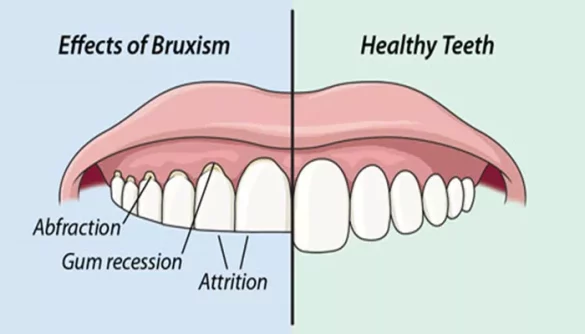
Teeth fillings are common dental treatments used to repair cavities and tooth damage. But a common question is: do teeth fillings wear down over time? Understanding how fillings change, what causes wear, and how to care for them is essential for maintaining good oral health. This article explains in simple terms the reasons fillings can wear out, their impact on sensitive teeth and gum disease, and ways to extend their life.
What Are Teeth Fillings Made Of?
Fillings restore the shape and function of damaged teeth. Common types include:
1. Amalgam Fillings
Made from a mix of metals like silver, mercury, copper, and tin. These fillings are durable but can wear down or corrode with time.
2. Composite Resin Fillings
Tooth-colored fillings made from plastic and fine glass particles. They blend well but may be less durable than metal.
3. Gold Fillings
Made of gold alloy, very durable and wear-resistant but more costly.
4. Ceramic Fillings
Made from porcelain, they look natural but can be brittle and prone to wear or cracking.
How Do Teeth Fillings Wear Down?
Fillings do wear down over time due to several natural and external factors. The main reasons include:
1. Chewing and Biting Forces
Continuous pressure from chewing, grinding, or clenching teeth can slowly wear down filling material. This is similar to how natural tooth enamel wears.
2. Material Fatigue and Breakdown
Fillings, especially composite and amalgam, can develop tiny cracks or break down after years of use. Amalgam can corrode; composites may chip or erode.
3. Acidic Environment
Foods and drinks that are acidic (like soda, citrus) can weaken fillings and the tooth structure around them. Acid also promotes gum disease, which can affect filling stability.
4. Temperature Changes
Hot and cold foods cause fillings and teeth to expand and contract, which may loosen or crack fillings.
5. Poor Oral Hygiene
Neglecting brushing and flossing can lead to gum disease and cavities around or under the filling, causing the filling to fail.
Signs That Teeth Fillings Are Wearing Down
It’s important to detect when fillings need attention to prevent further tooth damage. Common signs include:
Sensitivity: Experiencing pain or sensitivity to hot, cold, or sweet foods may indicate filling wear or decay underneath.
Visible Cracks or Chips: If you see or feel rough edges or broken parts of the filling.
Discoloration: Darkening around the edges of fillings may signal leakage or decay.
Gum Irritation: Gum disease near the filling can cause redness, swelling, or bleeding gums.
Toothache: Persistent pain or discomfort in the filled tooth.
How Wearing Down of Fillings Affects Sensitive Teeth and Gum Disease
Worn fillings can expose the inner layers of the tooth, leading to:
Sensitive Teeth
When fillings wear down, the protective barrier weakens, and the dentin or nerve endings can become exposed. This results in increased sensitivity to temperature and pressure.
Increased Risk of Gum Disease
Damaged or leaking fillings create spaces where bacteria accumulate. This can irritate the gums and cause or worsen gum disease, which in turn affects overall oral health.
How Long Do Teeth Fillings Last?
The lifespan of fillings varies by material and care:
- Amalgam Fillings: Typically 10–15 years, sometimes longer.
- Composite Resin Fillings: Usually 5–10 years, depending on location and care.
- Gold Fillings: Can last 20 years or more.
- Ceramic Fillings: Around 10–15 years.
Proper oral hygiene, avoiding excessive force, and regular dental checkups help maximize filling life.
Can Worn Fillings Be Repaired or Replaced?
If fillings wear down or become damaged, dentists may:
1. Repair Minor Damage
Small chips or cracks in composite fillings can sometimes be repaired by adding new material.
2. Replace the Filling
Worn or leaking fillings are usually removed and replaced with new fillings to protect the tooth.
3. Consider Crowns
For severely damaged teeth, a dental crown may be recommended to provide more strength and protection.
How to Care for Teeth Fillings and Prevent Wear
Proper care extends the life of fillings and protects your teeth:
1. Maintain Good Oral Hygiene
Brush twice daily with fluoride toothpaste and floss regularly to prevent decay around fillings and gum disease.
2. Avoid Hard or Sticky Foods
Chewing ice, hard candy, or sticky sweets can damage fillings.
3. Use a Mouthguard if You Grind Teeth
Teeth grinding (bruxism) wears down fillings faster. A nightguard protects your teeth.
4. Limit Acidic Foods and Drinks
Reduce soda, citrus, and sugary drinks to protect both your fillings and gum health.
5. Visit Your Dentist Regularly
Regular checkups help detect worn fillings early and maintain oral health.
How Gum Disease and Sensitive Teeth Interact With Filling Wear
Gum disease causes inflammation and recession of the gums. When gums recede near a filling, the tooth root can become exposed, increasing sensitivity. This also makes it easier for bacteria to enter spaces around fillings and cause decay. Therefore, gum health is crucial for the longevity of fillings and overall tooth sensitivity.
When to See a Dentist About Your Fillings
Schedule a dental visit if you notice any of the following:
- Increased tooth sensitivity or pain
- Visible damage or rough edges on fillings
- Discoloration or dark spots around fillings
- Swollen or bleeding gums near filled teeth
- Difficulty chewing or discomfort
Early detection can prevent more serious problems.
Common Myths About Teeth Fillings and Wear
Myth 1: Fillings Last Forever
All fillings eventually wear down. Regular dental visits are needed to monitor their condition.
Myth 2: Fillings Cause Sensitive Teeth
Fillings themselves usually don’t cause sensitivity. However, worn or leaking fillings can expose sensitive areas.
Myth 3: Only Cavities Cause Tooth Pain
Worn fillings, gum disease, and sensitivity can also cause discomfort.
Conclusion
Fillings are important to restore tooth function and health. However, they can wear down over time due to chewing forces, material fatigue, acids, temperature, and poor hygiene. Worn fillings can lead to sensitive teeth and gum disease, impacting overall oral health. Proper care, avoiding harmful habits, and regular dental checkups help keep fillings lasting longer and protect your teeth from further damage.
