

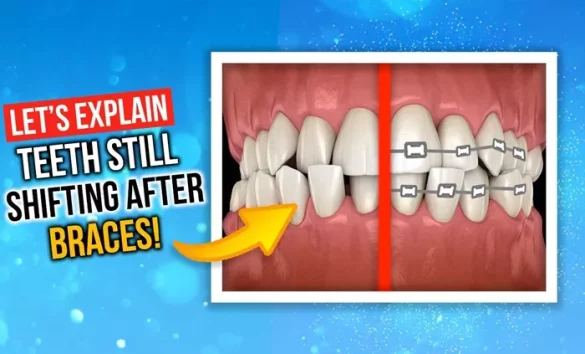
Orthodontic treatment, especially braces, is a significant investment in your dental health and appearance. After months or years of wearing braces, many patients expect their new smile to stay perfectly aligned forever. However, one common concern after braces are removed is whether teeth will move back to their original positions.
The short answer is yes—teeth can shift after braces are removed. This movement is natural, but it can be managed and minimized with proper care. Understanding why teeth move and how to prevent it will help you maintain your new smile for years to come.
Why Teeth May Move After Braces
After braces are removed, your teeth are no longer held in place by orthodontic wires and brackets. Instead, they rely on the natural support of the gums, jawbone, and surrounding tissues.
Several factors can contribute to post-braces movement:
1. Elastic Memory of Teeth and Ligaments
Teeth are supported by periodontal ligaments, which have a “memory” of their original position. Even after they have been moved by braces, these ligaments may try to pull the teeth back. This tendency is strongest immediately after braces are removed.
2. Changes in Jaw and Bite Alignment
Your jaw continues to grow and change throughout life. Even in adults, small changes in jaw shape can affect how teeth fit together, leading to gradual shifting.
3. Gum and Bone Remodeling
After orthodontic treatment, the bone and gum tissue around the teeth take time to adapt to the new positions. During this remodeling phase, teeth are more prone to slight movement.
4. Natural Tooth Wear and Chewing Pressure
Everyday activities like chewing and grinding can cause gradual movement. If you have bruxism (teeth grinding), the risk of shifting is higher.
5. Gum Disease
Gum disease weakens the supporting structures of the teeth. When gum tissue and bone are damaged, teeth can loosen and drift from their ideal positions, even if they were previously straightened.
How Quickly Can Teeth Move After Braces?
Teeth can start shifting within days or weeks after braces are removed, especially if you are not wearing your retainer. The first six months are the most critical period. Without proper retention, noticeable movement can happen in less than a year.
Signs That Teeth Are Moving After Braces
It’s important to monitor your smile for changes. Common signs include:
- Small gaps appearing between teeth
- Teeth feeling slightly loose or unstable
- Changes in bite alignment
- Difficulty flossing between certain teeth
- Increased tooth sensitivity, especially when chewing
If you notice these changes, visit your orthodontist or dentist promptly to prevent further movement.
The Role of Retainers in Preventing Teeth Movement
A retainer is an essential part of post-braces care. It holds your teeth in their new positions while the bone and tissues stabilize.
Types of Retainers
Removable Retainers
Made of plastic and wire (Hawley) or clear plastic (Essix)
Easy to clean and wear during specific times
Require patient compliance to be effective
Fixed Retainers
Bonded to the back of the teeth
Provide constant support
Require careful cleaning to prevent plaque buildup and gum disease
How Long Should You Wear a Retainer?
Most orthodontists recommend wearing a retainer full-time for the first 3–6 months after braces removal. After that, night-time wear may be sufficient. However, some patients benefit from lifelong retainer use to maintain results.
What Happens If You Don’t Wear a Retainer?
Without a retainer, your teeth may gradually return to their original positions—a process called relapse. Relapse is most noticeable in the lower front teeth, where crowding can reappear quickly.
Once teeth shift significantly, you may need new orthodontic treatment to realign them. In some cases, aligners like Invisalign can correct minor relapse, but severe movement may require braces again.
Other Factors That Cause Post-Braces Movement
Even with proper retainer use, other dental issues can contribute to shifting teeth.
1. Wisdom Teeth Eruption
When wisdom teeth start to emerge, they can push against neighboring teeth and cause crowding. If your dentist sees signs of impaction or lack of space, extraction may be recommended.
2. Tooth Loss
If you lose a tooth due to decay, trauma, or gum disease, surrounding teeth may drift into the empty space. This can lead to bite problems and misalignment.
3. Oral Habits
Habits such as nail-biting, pen-chewing, or tongue-thrusting can apply pressure to teeth, gradually moving them out of alignment.
Maintaining Dental Health After Braces
A straight smile is only one part of good oral health. Maintaining your results requires ongoing dental care.
1. Maintain Good Oral Hygiene
Brushing twice daily and flossing once a day prevents plaque buildup. Poor hygiene can lead to gum disease, which can cause teeth to loosen and move.
2. Schedule Regular Dental Check-Ups
Routine check-ups allow your dentist to monitor tooth position, gum health, and bite alignment. Early detection of shifting helps prevent major relapse.
3. Protect Teeth from Damage
If you play sports, wear a mouthguard to prevent injury. If you grind your teeth at night, a night guard can protect against wear and shifting.
4. Address Sensitive Teeth Promptly
Some people experience sensitive teeth after braces due to enamel changes or gum recession. Using toothpaste for sensitive teeth and avoiding acidic foods can help protect enamel and prevent discomfort.
Can Teeth Still Move Years After Braces?
Yes. Teeth can shift at any age, even years after orthodontic treatment. Natural aging, changes in jaw structure, and gum health all influence tooth position. This is why some orthodontists recommend wearing retainers indefinitely.
When to Seek Professional Help
See your dentist or orthodontist if you notice:
- Rapid or significant tooth movement
- Pain or discomfort when biting
- Signs of gum disease such as bleeding gums or bad breath
- Difficulty wearing your retainer due to changes in tooth position
Early treatment can prevent the need for full orthodontic work again.
Conclusion
Braces can transform your smile, but keeping your teeth straight is a lifelong commitment. While some movement is natural, significant shifting can be avoided with consistent retainer use, good oral hygiene, and regular dental check-ups.
