


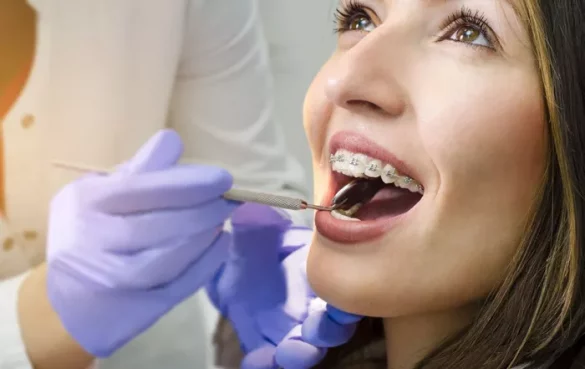
Wisdom teeth, also known as third molars, often cause many questions when it comes to orthodontic treatment. Many patients wonder if these late-erupting teeth need to be removed before getting braces. This article provides a clear, detailed explanation about whether wisdom teeth removal is necessary for braces. We will discuss the function of wisdom teeth, possible complications, and how orthodontists decide on treatment plans related to them.
What Are Wisdom Teeth?
Wisdom teeth are the last set of molars to develop. They usually appear between the ages of 17 and 25. Most people have four wisdom teeth, one in each corner of the mouth. However, some people have fewer or none at all. These teeth are the farthest back in the mouth, which sometimes leads to problems.
Why Are Wisdom Teeth Called “Wisdom” Teeth?
They get their name because they emerge at a more mature age, when people are supposedly wiser. But despite the name, wisdom teeth can cause many dental issues.
Common Problems Caused by Wisdom Teeth
Wisdom teeth can cause several problems, especially if the mouth is too small or if the teeth grow in at odd angles. Here are some common issues:
Impaction: Wisdom teeth may fail to erupt fully, getting trapped under the gums or jawbone.
Crowding: These teeth can push other teeth out of alignment, especially the second molars.
Infection: Partially erupted wisdom teeth can create pockets where bacteria gather, causing pain or infection.
Decay and Gum Disease: Their position makes cleaning difficult, increasing risk for cavities and gum issues.
What Are Braces and How Do They Work?
Braces are orthodontic devices used to correct teeth alignment, bite problems, and jaw positioning. They apply gentle pressure over time to move teeth into desired positions. Treatment duration typically ranges from 12 to 36 months, depending on the case.
Types of Braces
There are several types of braces, including traditional metal braces, ceramic braces, and clear aligners. The presence or absence of wisdom teeth can influence orthodontic planning, regardless of the type used.
Do Wisdom Teeth Affect Braces Treatment?
Whether wisdom teeth impact orthodontic treatment depends on their position, development, and potential to cause problems. Here are key factors orthodontists consider:
Space Availability
If there is enough room in the jaw, wisdom teeth may erupt without affecting other teeth. In such cases, removal before braces might not be necessary.
Crowding Risk
If wisdom teeth grow in a way that pushes neighboring teeth forward, this can undo the alignment braces have achieved. This risk is a reason some dentists recommend removal.
Impacted Wisdom Teeth
Impacted wisdom teeth that don’t have space to grow properly can cause pain and damage to adjacent teeth. Their presence may interfere with orthodontic movement and hygiene during braces.
Do Wisdom Teeth Need to Be Removed for Braces
Not all patients need to remove wisdom teeth before getting braces. However, orthodontists recommend removal in certain situations:
1. Insufficient Jaw Space
If X-rays show limited space in the jaw, wisdom teeth may cause crowding or misalignment. Removing them early helps maintain the results of braces.
2. Impacted or Partially Erupted Teeth
When wisdom teeth are impacted or only partially erupted, they can cause infection or damage. Removal reduces complications during orthodontic treatment.
3. Risk of Decay or Gum Problems
If wisdom teeth are difficult to clean and pose a risk for cavities or gum disease, removal may be advised to keep the mouth healthy during braces.
4. Orthodontist’s Professional Judgment
Orthodontists assess each case individually. If they believe wisdom teeth could affect the alignment or health of teeth during or after braces, they may suggest extraction.
When Can Wisdom Teeth Be Left In Place?
In some cases, wisdom teeth do not interfere with orthodontic treatment or oral health. They may be left in place when:
The teeth have fully erupted properly and align well.
There is enough jaw space, and no crowding is expected.
They are healthy, easy to clean, and cause no pain or infection.
Regular monitoring is planned to catch future problems early.
How Is the Decision Made? The Role of X-Rays and Exams
Orthodontists use dental X-rays and clinical exams to evaluate wisdom teeth before and during braces treatment. Panoramic X-rays show the position of wisdom teeth and their relationship to other teeth and jawbone.
Timing of Evaluation
Evaluation typically occurs before braces placement. Some orthodontists monitor wisdom teeth throughout treatment, recommending removal if problems arise.
Regular Monitoring
Even if wisdom teeth are retained, regular check-ups ensure no new issues develop during or after braces.
What Are the Risks of Removing Wisdom Teeth Before Braces?
Wisdom teeth removal is generally safe but carries some risks, such as:
- Temporary pain and swelling
- Risk of infection
- Bleeding
- Possible damage to nearby nerves causing numbness
- Rare complications like dry socket
Orthodontists and oral surgeons take steps to minimize these risks.
What Happens If Wisdom Teeth Are Not Removed Before Braces?
If wisdom teeth are left in place and cause no problems, braces treatment can proceed normally. However, if they erupt late or cause crowding or pain, removal might be necessary even after braces are applied.
Possible Consequences
- Post-treatment crowding of lower or upper front teeth
- Discomfort or pain
- Potential need for future extraction after braces
How Does Wisdom Teeth Removal Affect Braces Treatment Timeline?
Removal of wisdom teeth can sometimes delay the start of braces if done beforehand. If extraction occurs during treatment, orthodontists may adjust treatment plans accordingly. Healing usually takes a few weeks before braces can continue or be placed.
Coordinated Care Between Specialists
Orthodontists and oral surgeons often work together to time wisdom teeth removal to minimize disruption to braces treatment.
Tips for Patients: Managing Wisdom Teeth and Braces
Here are some practical tips for patients undergoing braces treatment with wisdom teeth concerns:
Follow professional advice: Trust your orthodontist’s recommendations based on your unique case.
Maintain good oral hygiene: Cleaning around wisdom teeth and braces is crucial to prevent infection.
Attend regular check-ups: Keep all scheduled appointments to monitor progress and detect issues early.
Report symptoms promptly: Inform your orthodontist if you experience pain, swelling, or discomfort around wisdom teeth.
Prepare for extraction if recommended: Follow pre- and post-operative instructions carefully for smooth recovery.
Conclusion
The answer is not the same for everyone. Wisdom teeth removal before braces depends on the position, health, and space in the jaw. Many patients keep their wisdom teeth without problems, while others benefit from removal to ensure effective, lasting orthodontic results.
Orthodontists carefully evaluate each patient using X-rays and exams to decide the best course of action. Removing wisdom teeth is often a precaution to prevent future issues, but it is not always mandatory. Maintaining open communication with your dental team and attending regular check-ups ensures the best outcomes for your smile.