

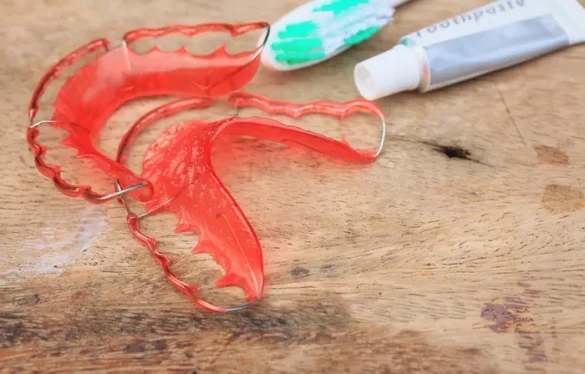
After months or years of wearing braces, most people expect their teeth to stay perfectly aligned forever. But is that really the case? Many dental experts recommend wearing retainers after braces to keep your teeth from shifting back to their original positions. This article explains why retainers are needed, how long you should wear them, and the benefits of consistent retainer use for your dental health. We will also discuss common dental concerns such as gum disease and sensitive teeth that relate to retainer use.
What Is a Retainer and Why Is It Needed?
A retainer is a dental appliance custom-made to fit your teeth after braces come off. Its main purpose is to hold your teeth in their new position while the bone and gums adjust around them. Teeth are naturally prone to shifting, even in adults, so retainers act as a support to prevent unwanted movement.
After braces are removed, your teeth and jawbone are not yet fully stable. Without a retainer, your teeth may slowly drift back toward their original crooked or crowded position. This process is called relapse. Wearing retainers helps avoid relapse and preserves the investment you made in your smile.
Types of Retainers
There are generally two types of retainers: removable and fixed.
Removable Retainers: These can be taken out for eating and cleaning. Common types include Hawley retainers (made of wire and acrylic) and clear plastic retainers (like Essix retainers).
Fixed Retainers: These are thin wires bonded to the back of your front teeth to keep them aligned permanently without needing to remove them.
Do You Have to Wear Retainers Forever After Braces?
The short answer is: in many cases, yes — you should wear retainers for life, although the schedule and frequency may change over time. Here is why:
Teeth Can Shift Throughout Life
Teeth naturally move due to aging, changes in the jawbone, pressure from chewing, and other factors. Even people who never had braces experience small tooth movements as they get older. After orthodontic treatment, your teeth are especially vulnerable to shifting, so long-term retainer use helps maintain alignment.
The Role of Bone and Gum Tissue
When braces straighten your teeth, the bone and gum tissue need time to remodel and support the teeth in their new place. This process can take months to years. Wearing a retainer supports this remodeling and prevents teeth from drifting.
Permanent Retainers as a Lifelong Solution
Many orthodontists recommend fixed retainers behind the lower or upper front teeth for permanent wear. These retainers minimize relapse risk without requiring daily removal. However, fixed retainers need good oral hygiene to avoid plaque buildup, which can lead to gum disease.
How Long Should You Wear Removable Retainers?
The length of retainer use depends on your orthodontist’s advice and your specific dental condition. Typically, the timeline looks like this:
First 6 Months After Braces: Most people wear their removable retainers full-time, except when eating or brushing teeth. This helps stabilize the teeth quickly.
Next 6 Months to 1 Year: Wearing retainers only at night is usually recommended to keep teeth aligned while giving a break during the day.
After 1 Year: Some patients switch to wearing retainers only a few nights per week, but orthodontists often advise lifelong nighttime wear to prevent gradual shifting.
Stopping retainer use completely can lead to teeth moving back. Even after many years of not wearing retainers, teeth can still relapse, so it is safest to continue some form of retainer use indefinitely.
Tips for Caring for Your Retainers and Teeth
Clean Your Retainers Daily: Use a soft toothbrush and mild soap or retainer cleaner to keep them free from bacteria and plaque.
Maintain Regular Dental Visits: Checkups help monitor your teeth, gums, and retainers for any issues like gum disease or damage.
Practice Good Oral Hygiene: Brush twice daily, floss carefully around fixed retainers, and use mouthwash if recommended.
Avoid Harmful Habits: Don’t chew hard foods or objects that can damage retainers or teeth.
Wear Retainers As Directed: Follow your orthodontist’s instructions closely to avoid relapse.
What Happens If You Stop Wearing Retainers?
If you stop wearing your retainers, your teeth can begin to move back to their original position. This process can happen slowly over months or years, but it is almost always inevitable without retention. Shifting teeth may cause bite problems, affect your smile, and sometimes cause discomfort or sensitivity.
Additionally, shifting teeth can increase food traps that lead to plaque buildup and gum disease. Once teeth move, getting them back to the ideal position usually requires further orthodontic treatment, which can be costly and time-consuming.
Special Considerations for Sensitive Teeth and Gum Health
People with sensitive teeth or gum problems should be especially careful with retainer use. Sensitive teeth might react to the pressure of a retainer or to changes in bite. Gum disease or inflamed gums can worsen if retainers are not cleaned properly.
Consult your dentist if you experience ongoing sensitivity or gum discomfort. Sometimes adjustments to your retainer or additional dental care may be necessary.
Conclusion
While the idea of wearing retainers forever might seem inconvenient, it is the best way to maintain your beautiful smile and dental health after braces. Retainers protect your teeth from shifting and reduce the risk of bite problems, gum disease, and tooth sensitivity linked to tooth movement.
With proper care and routine dental checkups, wearing retainers can become a simple part of your dental hygiene routine that keeps your smile healthy and straight for life.
