

Dentures and dental bridges are common solutions for missing teeth. They restore function, improve appearance, and support oral health. Affordable dentures for bridges offer a practical choice for many patients who want a cost-effective solution without compromising quality. This article explains everything about these dentures, including types, costs, benefits, and maintenance tips.
What Are Dentures?
Dentures are removable dental appliances that replace missing teeth and surrounding tissues. They can be full, replacing all teeth in a jaw, or partial, filling in gaps left by missing teeth. Dentures help with chewing, speaking, and maintaining facial structure. Affordable dentures are designed to meet essential needs while keeping costs reasonable.
Types of Dentures
There are several types of dentures available. Understanding these options helps patients choose the best solution for their needs.
Full Dentures
Full dentures replace all teeth in either the upper or lower jaw. They are suitable for patients who have lost most or all teeth. Modern full dentures are comfortable, easy to clean, and affordable compared to permanent bridges.
Partial Dentures
Partial dentures replace one or more missing teeth while preserving existing healthy teeth. They are often designed with metal or acrylic frameworks that attach to neighboring teeth, making them stable and functional.
What Are Dental Bridges?
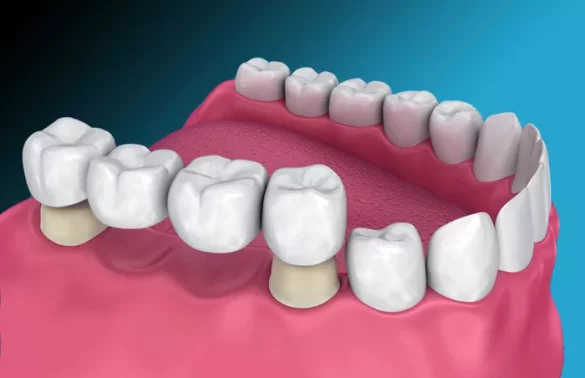
Dental bridges are fixed restorations that span the gap created by missing teeth. Bridges are anchored to natural teeth or implants. Unlike dentures, bridges are not removable and provide permanent support for chewing and speaking. Affordable bridge solutions focus on durable materials without high lab costs.
Types of Dental Bridges
Traditional Bridges
Traditional bridges involve creating crowns for the teeth on either side of the gap. A false tooth, called a pontic, fills the space. They are the most common type of bridge and offer a natural appearance at a moderate cost.
Cantilever Bridges
Cantilever bridges are supported by a crown on only one side of the gap. They are useful when adjacent teeth are limited, but not suitable for high-pressure areas like molars. Cantilever bridges are more affordable due to reduced material usage.
Maryland Bridges
Maryland bridges use a metal or porcelain framework bonded to the back of adjacent teeth. They are less invasive and often cost less than traditional bridges. However, they may not be as durable for patients who bite with high force.
Affordable Dentures vs. Bridges
When deciding between dentures and bridges, affordability is a key factor. Each option has pros and cons depending on the patient’s oral health, number of missing teeth, and budget.
Cost Considerations
Affordable dentures generally cost less than permanent bridges because they do not require extensive lab work or invasive procedures. Partial dentures may range from a few hundred to over a thousand dollars depending on material and design. Bridges, being permanent, often cost more due to crowns, lab fees, and dental visits.
Function and Comfort
Bridges provide stable chewing function and feel like natural teeth, while dentures may move slightly when eating or speaking. Modern affordable dentures are designed for comfort, using lightweight materials that reduce gum irritation.
Aesthetic Considerations
Both dentures and bridges can restore a natural smile. Bridges are fixed and often more aesthetically pleasing because they match surrounding teeth perfectly. Affordable dentures are customizable in color and shape to suit patient preferences.
Does Affordable Dentures Do Bridges?
In some cases, patients use dentures in combination with bridges. For example, partial dentures can fill gaps that bridges cannot cover, especially when multiple teeth are missing across the mouth. This hybrid approach offers a balance between affordability and function.
Step-by-Step Process
The process of getting affordable dentures or bridges includes:
- Dental examination and X-rays.
- Impressions of teeth and gums.
- Choosing material and design.
- Fitting and adjustments.
- Follow-up care and maintenance.
Benefits of Affordable Dentures for Bridges
Choosing affordable dentures offers many advantages:
Cost-Effective
Affordable dentures are significantly cheaper than full implant-supported bridges while still restoring oral function.
Non-Invasive
Dentures require no surgery, making them ideal for patients who want to avoid dental implants or extensive procedures.
Easy Maintenance
Removable dentures are easy to clean. Regular brushing, soaking, and dental checkups ensure longevity and hygiene.
Flexibility
Dentures can be adjusted or replaced as the mouth changes over time, offering long-term flexibility compared to fixed bridges.
Materials Used in Affordable Dentures and Bridges
Material selection affects durability, comfort, and cost. Affordable options focus on materials that balance these factors.
Acrylic Resin
Acrylic is lightweight, affordable, and easy to adjust. It is commonly used for full and partial dentures.
Metal Frameworks
Partial dentures often use metal frameworks for stability. Metals like cobalt-chromium provide strength at a reasonable cost.
Porcelain
Porcelain offers the most natural look and is often used in bridges and high-quality dentures. It is more expensive but lasts longer.
Maintenance and Care Tips
Proper care prolongs the life of dentures and bridges.
Daily Cleaning
Brush dentures with a soft-bristle brush and mild cleanser. Avoid toothpaste, which can scratch surfaces. Rinse thoroughly after meals.
Soaking
Soak dentures overnight in a cleaning solution to remove bacteria and maintain shape.
Regular Dental Visits
Schedule dental checkups to monitor fit, check for damage, and assess oral health. Bridges may need periodic adjustments or polishing.
Handling Precautions
Handle dentures carefully to avoid dropping. Store them in water or solution when not in use.
Conclusion
Affordable dentures for bridges provide a practical, cost-effective way to replace missing teeth. They restore function, improve appearance, and support oral health without high costs. By understanding types, materials, benefits, and care tips, patients can make informed decisions. Combining dentures with bridges can offer flexibility, comfort, and aesthetics for those seeking affordable dental solutions.
