


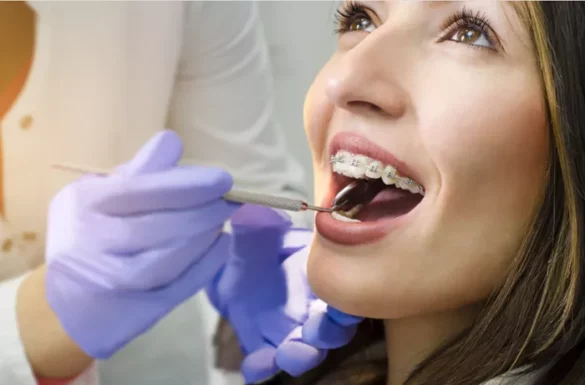
For many adults in the United States, access to affordable dental care is a significant concern. Medicaid, the federal and state health insurance program for low-income individuals, offers various dental benefits—but its coverage for orthodontics, such as braces, is limited, especially for people over 21. This article explores whether Medicaid covers braces for adults over 21, the conditions under which it might, and alternative options for those needing orthodontic care.
What Is Medicaid?
Medicaid is a joint federal and state program that provides health coverage to eligible low-income adults, children, pregnant women, elderly adults, and people with disabilities. While Medicaid is required to offer certain benefits, including hospital and medical services, dental coverage is considered optional for adults, and states can choose what dental benefits they provide.
General Medicaid Dental Coverage for Adults
Most states offer limited dental benefits to adults enrolled in Medicaid. These typically include preventive services such as cleanings and exams, as well as treatment for dental emergencies and medically necessary procedures. However, the scope of dental services—especially orthodontic treatment like braces—varies widely from state to state.
Are Braces Covered by Medicaid for Adults Over 21?
In most cases, Medicaid does not cover braces for adults over 21, unless they are deemed medically necessary. Unlike children and teens, for whom orthodontic treatment is often covered when it corrects serious dental issues, adult Medicaid recipients typically receive limited or no orthodontic benefits.
Some states make exceptions in cases where dental conditions significantly affect health or quality of life. This might include severe misalignments that impair eating or speaking, or when orthodontic treatment is part of a broader medical necessity, such as jaw surgery or treatment for gum disease.
What Counts as Medically Necessary Orthodontics?
For adults over 21, Medicaid may consider braces medically necessary if the condition:
- Interferes with proper chewing or digestion
- Contributes to gum disease or tooth decay due to improper cleaning
- Leads to jaw pain or temporomandibular joint disorders (TMJ)
- Causes significant speech problems
Documentation from dental and medical professionals is typically required to prove medical necessity. Even when braces are deemed necessary, the approval process can be lengthy and may still result in denial, depending on the state’s Medicaid rules.
State-by-State Medicaid Policies for Adult Orthodontics
Coverage for orthodontic treatment under Medicaid for adults varies significantly by state. Here’s a general overview:
California: Offers limited adult dental benefits, but orthodontic care is generally not covered unless medically necessary.
New York: Medicaid may cover braces for adults in very specific medical situations with supporting documentation.
Texas: Adult Medicaid dental coverage is limited and does not include orthodontics.
Florida: Minimal adult dental benefits; braces are typically not covered.
Illinois: Adult dental care includes some services, but orthodontics are rarely approved for adults.
To confirm benefits in your state, you can contact your local Medicaid office or visit Medicaid.gov for more details.
Alternatives If Medicaid Does Not Cover Braces Over 21
If you are an adult over 21 and Medicaid does not cover braces in your state, several alternatives may help make orthodontic treatment more affordable:
1. Dental Schools
Many dental schools offer low-cost orthodontic services performed by students under supervision. These services can include braces and treatment for sensitive teeth or early-stage gum disease.
2. Dental Discount Plans
These are not insurance but provide discounted rates for dental services. They often include savings on orthodontics, which can be significant compared to paying full price.
3. Payment Plans and Financing
Some orthodontists offer payment plans or third-party financing options that allow you to pay for braces over time, making treatment more accessible even without insurance coverage.
4. Charitable Programs and Nonprofits
Organizations like Smiles Change Lives and Donated Dental Services help eligible low-income adults access dental care, including braces, either free or at reduced cost.
Braces and Dental Health Conditions
Braces can play a vital role in improving overall oral health, particularly for adults who suffer from misalignment-related problems. Misaligned teeth can make it hard to brush and floss effectively, increasing the risk of cavities, gum disease, and even sensitive teeth.
When braces help correct alignment, they can reduce the strain on teeth and jaw muscles, improving functions such as biting, chewing, and speaking. They also contribute to long-term dental health by making it easier to maintain oral hygiene.
The Connection Between Misaligned Teeth and Gum Disease
Gum disease, also known as periodontal disease, is a common condition that affects the gums and bones supporting the teeth. Misaligned teeth can trap food particles and bacteria, making them difficult to clean and increasing the risk of infection and inflammation.
Adults with gum disease may be discouraged from getting braces due to existing oral health issues. However, in some cases, orthodontic treatment can actually help by aligning the teeth and making it easier to clean around the gums. This underscores the importance of evaluating each case individually.
Braces and Sensitive Teeth in Adults
Sensitive teeth can be a side effect of both misaligned teeth and orthodontic treatment. Adults considering braces should talk to their orthodontist about managing sensitivity during and after treatment. Using desensitizing toothpaste, avoiding extreme temperatures in food and drink, and maintaining good oral hygiene are all helpful strategies.
In some instances, sensitivity may signal underlying issues like enamel erosion or receding gums, which should be addressed before starting orthodontic treatment.
Tips for Adults Seeking Braces With or Without Medicaid
For adults over 21 who want braces but face coverage limitations, here are some tips:
Check Your State Medicaid Guidelines: Each state sets its own rules; some may allow coverage in special cases.
Get a Medical Necessity Letter: Ask your dentist or physician to document any health-related issues caused by misaligned teeth.
Explore Flexible Options: Consider clear aligners or partial orthodontic treatment, which may be more affordable than full braces.
Prioritize Oral Health First: Address any gum disease or existing dental issues before starting orthodontics.
Conclusion
While Medicaid rarely covers braces for adults over 21, exceptions exist when there is a documented medical necessity. Even if Medicaid does not provide coverage, options like dental schools, discount plans, and nonprofit programs can make orthodontic care more accessible. Proper alignment of teeth is not just cosmetic—it’s crucial for long-term oral health, especially in preventing issues such as gum disease and sensitive teeth.