

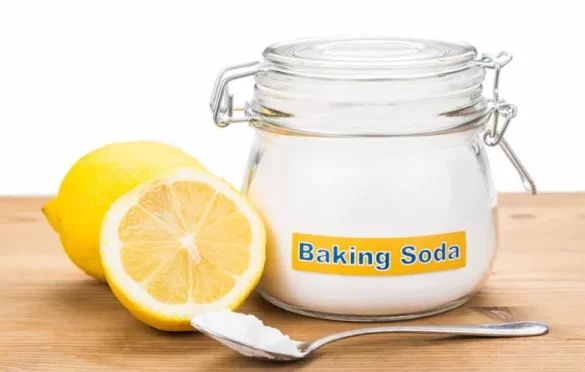
Teeth whitening is a common goal for many people seeking a brighter smile. Various methods exist, from professional treatments to home remedies. Among the popular home remedies, using salt and lemon to whiten teeth has gained attention. But does salt and lemon really whiten teeth safely and effectively? This article explores the facts, benefits, and risks of using salt and lemon for teeth whitening.
How Teeth Become Discolored
Before examining salt and lemon, it’s important to understand why teeth discolor. Teeth can lose their natural whiteness due to several factors:
Consumption of staining foods and drinks like coffee, tea, red wine, and berries.
Tobacco use.
Poor oral hygiene, which can lead to plaque buildup and gum disease.
Aging, which causes enamel thinning, revealing the yellowish dentin beneath.
Medications or dental trauma.
Effective whitening requires addressing these causes or removing surface stains.
What Are Salt and Lemon’s Properties?
Salt (sodium chloride) is commonly used for oral care because of its mild abrasive and antibacterial properties. Lemon contains citric acid, a natural acid found in citrus fruits.
Salt in Oral Care
Salt has been used traditionally to clean teeth and gums. Its abrasiveness can help remove surface stains and plaque. Salt’s antibacterial effects may also reduce bacteria that contribute to gum disease.
Lemon and Its Acidic Nature
Lemon juice is highly acidic due to citric acid. Acid can help dissolve surface stains on teeth by breaking down pigments. However, acid also can erode tooth enamel if used excessively or improperly.
Can Salt and Lemon Whiten Teeth?
The combination of salt and lemon is often recommended as a natural whitening paste. Salt can scrub stains away, and lemon acid can help lighten discoloration. However, their effectiveness and safety require careful examination.
Potential Whitening Effects
Salt’s mild abrasiveness may remove some surface stains, making teeth appear cleaner and slightly whiter temporarily. Lemon’s acid can also break down surface discoloration, potentially creating a whitening effect.
Limitations of Whitening with Salt and Lemon
Any whitening from salt and lemon is mostly limited to surface stains. These remedies do not reach deeper discoloration inside the tooth structure. Professional whitening treatments use peroxide-based agents that penetrate enamel and dentin for more significant results.
Risks and Dangers of Using Salt and Lemon on Teeth
Despite some benefits, salt and lemon carry risks, especially if used frequently or incorrectly.
Enamel Erosion from Lemon Acid
Lemon juice is highly acidic, which can erode enamel over time. Enamel protects teeth and covers sensitive dentin. Once enamel is lost, teeth become more prone to decay, staining, and sensitivity. Enamel erosion is irreversible and can worsen dental health.
Abrasiveness of Salt
While salt is less abrasive than some commercial toothpastes, vigorous scrubbing with salt can damage enamel and gum tissue. Abrasion can lead to gum recession, increasing risk of gum disease and exposing tooth roots, which are sensitive.
Effect on Sensitive Teeth and Gums
People with sensitive teeth or gum disease should avoid harsh home remedies like salt and lemon. Acidic lemon juice can worsen sensitivity and irritate inflamed gums. Abrasive salt may aggravate gum recession or bleeding.
Dental Expert Recommendations on Salt and Lemon Use
Most dental professionals caution against regular use of lemon juice for teeth whitening due to enamel erosion risk. Salt may be used occasionally as a mild abrasive but should not replace regular toothpaste and dental hygiene practices.
Safe Alternatives for Teeth Whitening
- Using fluoride toothpaste designed to whiten and strengthen enamel.
- Professional whitening treatments under dentist supervision.
- Whitening strips or gels approved by dental associations.
- Maintaining good oral hygiene to prevent stains and gum disease.
- Limiting consumption of staining foods and drinks.
How to Protect Your Teeth While Using Home Remedies
If you choose to try salt or lemon as a home remedy, follow precautions to minimize harm:
Use lemon juice sparingly and never apply it directly without dilution.
Mix salt with water or toothpaste to reduce abrasiveness.
Avoid scrubbing aggressively; gentle brushing is best.
Do not use salt and lemon daily—limit use to occasional applications.
Rinse mouth thoroughly after use to neutralize acid and remove residues.
Wait at least 30 minutes before brushing after lemon use to prevent brushing softened enamel.
Consult your dentist before trying home whitening remedies, especially if you have sensitive teeth or gum disease.
Other Causes of Teeth Discoloration That Salt and Lemon Can’t Fix
Salt and lemon mainly target surface stains but cannot reverse:
- Intrinsic stains caused by medications or trauma.
- Yellowing from enamel thinning due to aging.
- Discoloration from dental fluorosis or genetic conditions.
These cases require professional dental evaluation and treatment.
The Importance of Professional Dental Care
Regular dental visits help prevent gum disease, tooth decay, and manage sensitive teeth. Dentists can recommend safe whitening methods and treat underlying causes of discoloration. They also provide guidance on oral hygiene that supports natural tooth whiteness.
Summary: Does Salt and Lemon Whiten Teeth?
Salt and lemon can remove some surface stains due to their mild abrasive and acidic properties. However, lemon acid can erode enamel and salt’s abrasiveness can damage gums if misused. Whitening effects are temporary and limited. For lasting and safe whitening, professional methods and good oral hygiene are recommended.
Additional Tips for Maintaining a Bright Smile
- Brush teeth twice daily with fluoride toothpaste.
- Floss regularly to prevent gum disease.
- Limit intake of staining beverages.
- Stay hydrated and rinse after meals.
- Use mouthwash to reduce bacteria.
- Quit smoking to prevent staining and gum problems.
Conclusion
While salt and lemon are natural and accessible, their use for teeth whitening carries risks. Enamel erosion and gum irritation can lead to more serious dental issues like sensitive teeth and gum disease. Careful, informed choices and consultation with dental professionals ensure healthier teeth and a more radiant smile.
