

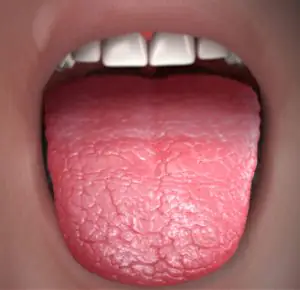
Dry mouth is a condition where production or secretion of saliva is reduced. It’s clinically termed as Xerostomia. It can be due to many reasons. Here is some information on dry mouth / xerostomia.
Reasons for Dry mouth
It can be due to any drug therapy, immune-related disease, radiation damage or dehydration. Anxiety can also be a reason for reduced salivary flow. Anomalies in saliva production from salivary glands can occur rarely too.
Clinical manifestations of Dry mouth
Patients can have difficulty in talking or swallowing, altered taste perception, oral discomfort, difficulty in wearing dentures / set etc. The mouth overall becomes dry. Examination will reveal a lack of saliva in the floor of the mouth and attempts to express saliva from the major salivary duct openings by external pressure on the gland may fail. The teeth are prone to cervical caries and existing restorations may fail.
Diagnosis
It is diagnosed clinically on the basis of little or no saliva pooling in the floor of the mouth at rest. ‘Frothy’ saliva and lobulated tongue can be observed. Diagnosis involves a wide range of diagnostic aids to conclude a specific cause. Medical history is also important as some drugs can lead to dry mouth. History of previous radiotherapy or any autoimmune disease like Sjogrens syndrome plays an important role. Heamtologic tests, special investigations like sialography and scintiscanning are required for diagnosis of Sjogrens syndrome. Drugs that are known to produce xerostomia include: antidepressants; antihistamines; anti-cholinergic agents; potent diuretics; and narcotics.
Management
Root cause of dry mouth should be addressed. If it’s due to any drugs, then the prescription needs to be changed with the consultation of physician. Poorly controlled diabetes could be a cause for dry mouth. Therefore blood glucose levels should be monitored and correct medications to be given. Hematologic investigation should include fasting blood glucose, urea and electrolytes. Artificial saliva is also used for replacement of saliva. Artificial saliva is relatively expensive and has little advantage over water. Chewing of sugar free gums can also help in stimulating salivary flow. Oral hygiene measure to be taken into consideration as these individuals have halitosis i.e. bad breath as well as a lot of dental caries. Daily fluoride mouthwash or professionally applied topical fluoride therapy, should be instituted to reduce the risk of dental caries. Dietary advice should be given, especially concerning the limitation of sugar intake.
Take home message
Early diagnosis and treatment planning is the key to combat dry mouth. Timely visit to a dentist avoids future complications
Author: Dr. Siri P. B.


