


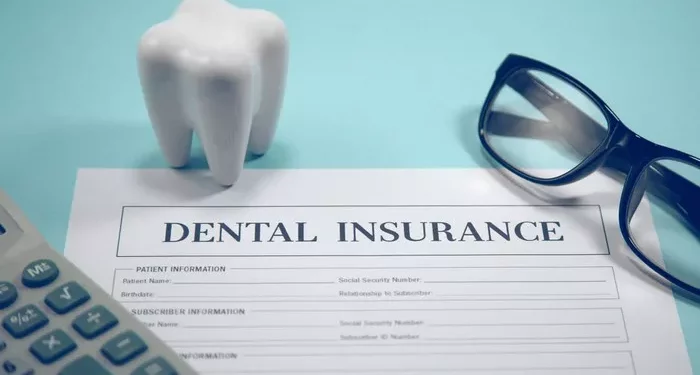
Even with dental insurance, millions of Americans find themselves paying thousands of dollars each year for routine and major dental procedures. Experts say preventive care and a clear understanding of insurance plans can help reduce these unexpected expenses.
Russell Anthony, a 65-year-old retiree in Nashville, shared his recent dental struggles. “I had a root canal just last week that was like $500,” he said. “The week before, I had a crown that cost several hundred dollars. And as we speak, I have a broken tooth I need to get treated soon.”
Despite having dental insurance, Anthony expects to spend around $2,000 on dental care this year. “Trying to weigh the cost of when to go to the dentist versus other financial priorities is very important,” he added.
Dental Insurance Coverage Often Falls Short
According to the American Dental Association, 77% of U.S. adults had dental insurance in 2021. Yet coverage does not always shield patients from high bills. A 2023 KFF survey found that one in four insured adults reported costs as a barrier to care.
Dental plans usually cover preventive care fully but pay only a portion of other procedures. Many follow the “100/80/50” rule: 100% for preventive services like cleanings and exams, 80% for basic procedures such as fillings and root canals, and 50% for major treatments. Annual maximum payouts, typically between $1,000 and $2,000, mean patients must cover any costs beyond the limit.
Options for Managing Large Dental Bills
Patients facing significant expenses should communicate openly with their dental providers. Many offices offer pretreatment estimates, payment plans, and sometimes discounts. Seeking a second opinion or exploring lower-cost alternatives, such as dental schools or federally funded community health centers, can also help manage costs.
Preventive Care Can Save Money in the Long Run
Regular dental visits remain the most effective strategy to limit costs. Sarah Olim, a general dentist in Katy, Texas, recommends patients see their dentist every six months. “The best way to mitigate dental costs is to take care of problems early,” she said.
Ignoring minor issues can lead to expensive procedures. For example, a small cavity that could cost $200 to fill may escalate into a root canal and crown, costing thousands if untreated. Dentists also emphasize preventive habits, such as brushing twice daily for two minutes, to help maintain oral health and avoid costly treatments.
Policy Efforts Target Children’s Dental Coverage
Federal laws have aimed to improve access to dental care for children. Under the Affordable Care Act, dental care is considered an essential health benefit for those 18 and younger, requiring coverage in health insurance plans on the individual marketplace. State Medicaid programs are also mandated to provide dental care for children.
While adult coverage remains limited, understanding the nuances of dental insurance and maintaining regular care can help Americans protect both their teeth and their wallets.
Tags: dental careDental Insuranceteethtooth