


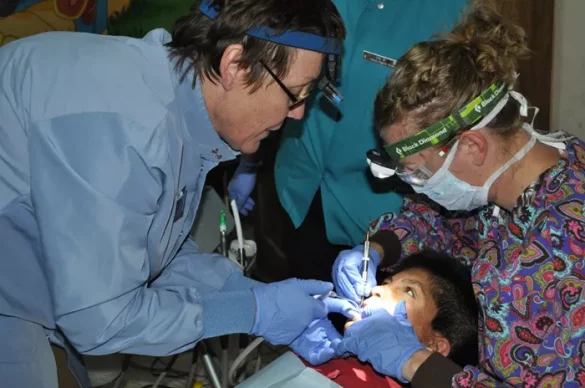
Tooth decay remains one of the most common chronic diseases among children in California, yet preventive dental care is unevenly distributed across the state. Recent data show that over 70% of Latino third-graders have experienced cavities, compared with 40% of white children—a stark disparity that highlights systemic failings rather than personal responsibility.
In Riverside County, home to 1.3 million Hispanic or Latino residents, the consequences are tangible. Children often miss school or struggle to focus due to severe tooth pain. Many parents seek help only when infections escalate, frequently turning to emergency rooms that cannot provide comprehensive dental treatment. Without addressing these structural barriers, California risks leaving thousands of children without the care they urgently need.
Structural Barriers Limit Access to Dental Care
California guarantees dental coverage for children enrolled in Medi-Cal, the state’s Medicaid program. In practice, however, many families struggle to access meaningful care. Latino children are disproportionately affected: more than 3.2 million—59% of all Medi-Cal enrollees—belong to this group, with total enrollment exceeding 5.5 million. Yet in 2022, fewer than half used their dental benefits, falling short of the state’s 60% target.
Experts point to low reimbursement rates as a key obstacle, discouraging many dental providers from joining the Medi-Cal network. Families are left with limited options, long wait times, and overburdened clinics. Transportation challenges further compound the problem, particularly for low-income families and immigrants, creating additional hurdles to timely dental care.
California’s promise of universal children’s dental coverage remains unfulfilled. Without targeted policies to address reimbursement, provider shortages, and geographic inequities, thousands of children—especially in Latino communities—will continue to suffer from preventable dental disease.