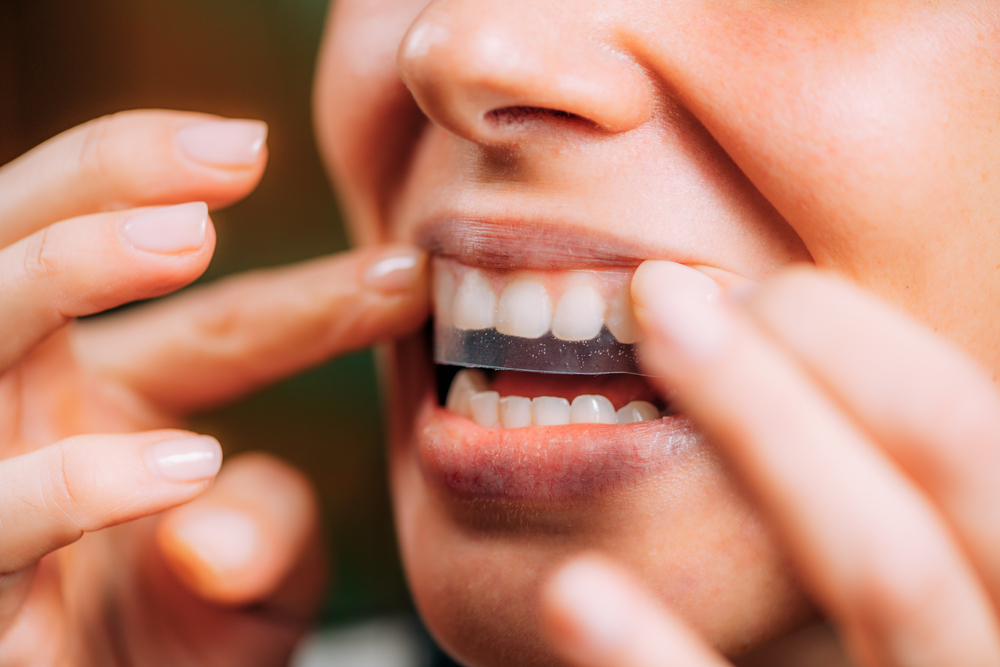
 In the world of dentistry, clinicians often have varied perspectives about teeth whitening treatment options, particularly regarding the recommended use of whitening strips. Here, we address and debunk some of the common myths or misconceptions that have circulated about this over-the-counter whitening solution.
Myth: Whitening strips cause significant enamel damage.
Reality: There is a prevailing belief among some clinicians that whitening strips can harm patients’ enamel. However, research shows that when used as directed by manufacturer instructions, whitening strips containing peroxide-based whitening agents are safe and effective to use without compromising enamel integrity.
Myth: Whitening strips produce uneven results.
Reality: While individual variations in enamel thickness and tooth anatomy may influence outcomes, when applied correctly, whitening strips can indeed produce uniform whitening results. Clinicians should properly educate patients on how to use their whitening strips correctly. With that, thorough examination and customized treatment planning are both essential for ensuring patients achieve their desired, consistent results.
Myth: Whitening strips cause gum irritation.
Reality: Clinicians wouldn’t be wrong to say that the risk of gum irritation exists. That said, clinicians familiarizing themselves with different brands of whitening strips and their formulations can help minimize the likelihood of this occurring for their patients. Guiding patients to select whitening strips with gentler formulations can further reduce the chance they face gum irritation after use.
The Clinician’s Role
Ultimately, whether clinicians should recommend whitening strips in their practices depends on several factors, such as a patient’s individual goals and expectations, the type and causation of their tooth discoloration, their sensitivity levels, and more.
With evident differences to professional, in-office whitening solutions, whitening strips can still offer a more affordable, accessible solution for mild-to-moderate staining that can be improved more and more over time. Educating patients about all the options available, as well as the benefits, risks, and potential limitations to using whitening strips, can help alleviate existing concerns by helping them make more informed decisions.


